





1. Understand the 'Meat Sweats' Phenomenon
There’s a scientific reason a big, heavy meal makes you feel even hotter. It's called the Thermic Effect of Food (TEF). Your body uses energy to digest and process what you eat, and this process generates heat. The bigger and more complex the meal, the more heat you produce.
Protein-rich foods like a thick steak or a giant burger have a higher thermic effect than carbohydrates or fats, meaning your body has to work harder—and get warmer—to break them down. In the winter, this extra internal heat can be welcome. But in July, adding a metabolic furnace to an already sweltering day is a recipe for lethargy.
2. Don't Mistake 'Full' for 'Energized'
A massive lunch diverts a significant amount of blood flow to your digestive system to handle the workload. For heavy, fatty meals—think fried chicken, creamy pasta, or a loaded cheesesteak—this effect is even more pronounced. Your body is directing resources away from your brain and muscles to focus on digestion. This is a primary cause of the classic "food coma." When you combine that with the energy your body is already expending to cool itself down through sweating and other mechanisms, you're left feeling drained, unfocused, and ready for a siesta instead of tackling your afternoon.
3. Eat Your Water
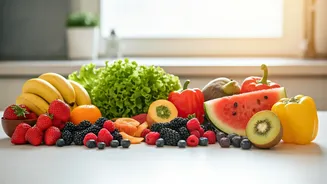
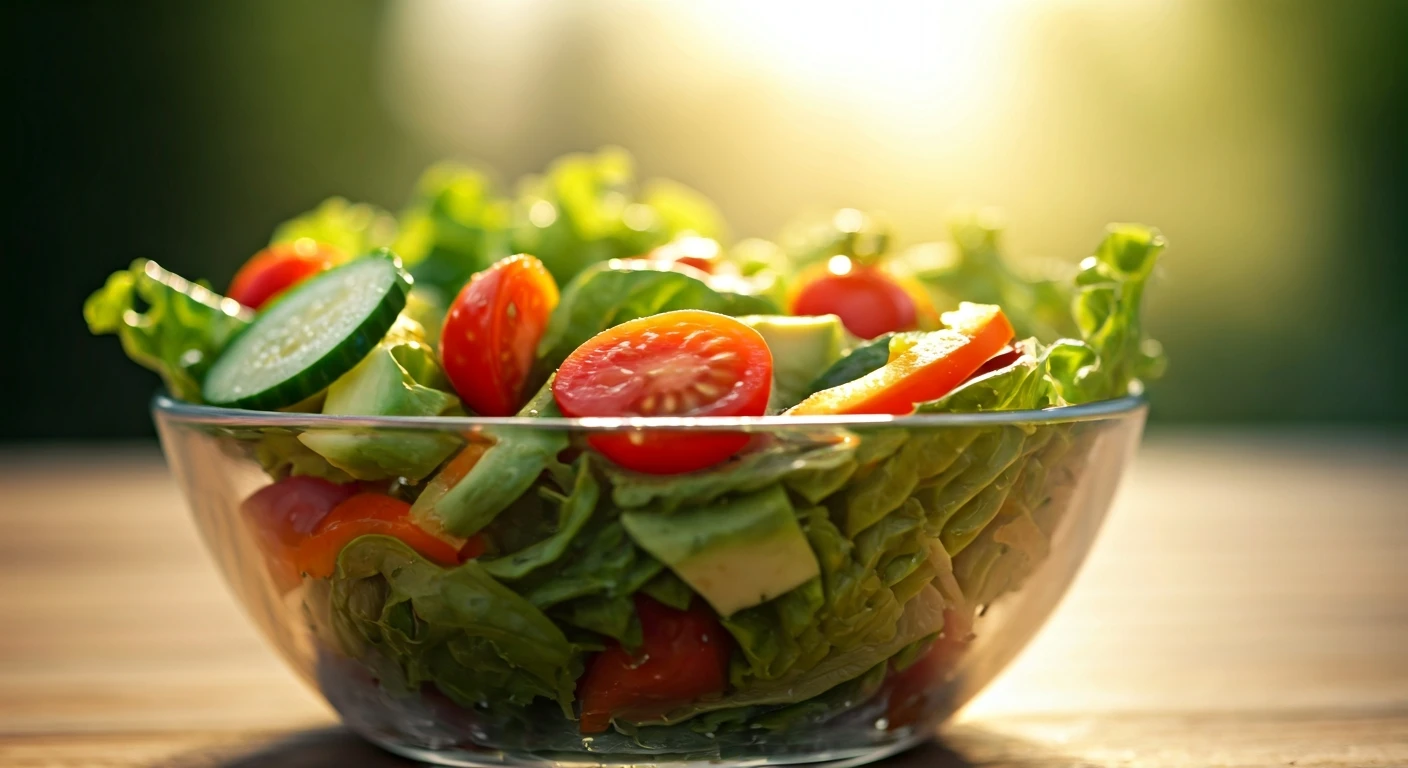
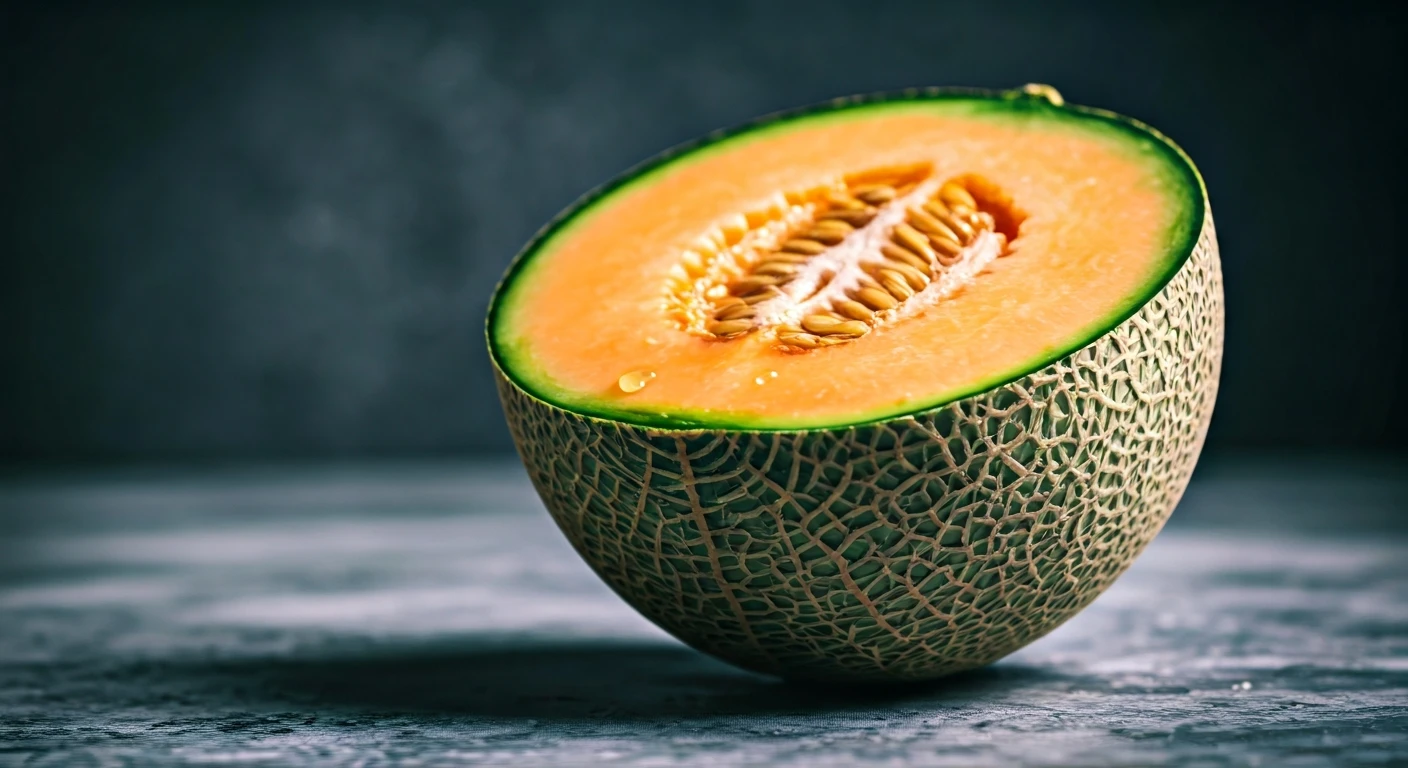
Light summer meals aren't just about fewer calories; they're often about higher water content. Staying hydrated is crucial for regulating body temperature and maintaining energy levels. Instead of relying solely on your water bottle, you can get a significant hydration boost from your food. Watermelon, cucumber, strawberries, bell peppers, and leafy greens are all more than 90% water. A salad packed with these ingredients, or a bowl of chilled gazpacho, helps hydrate you from the inside out, making you feel refreshed and light, not weighed down.
4. Swap Your Sandwich Style
The classic American lunch sandwich can be a surprisingly heavy affair. A footlong sub with multiple cured meats, heavy cheese, and gobs of mayonnaise is a digestive heavyweight. To lighten up, consider a swap. Try a whole-wheat wrap with lean turkey or grilled chicken, loaded with crunchy lettuce, tomato, and cucumber. Use hummus or a light vinaigrette instead of creamy dressings. Or, ditch the bread entirely and opt for lettuce cups filled with chicken or tuna salad made with Greek yogurt instead of mayo for a protein-packed, refreshing alternative.
5. Build a Smarter Salad
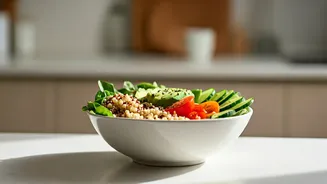
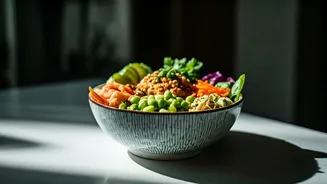
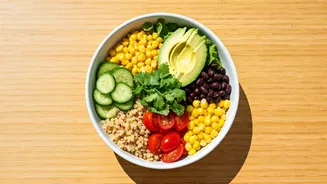
A salad seems like the ultimate light lunch, but it can easily become a heavy meal in disguise. Crispy chicken, bacon bits, shredded cheddar, and a thick, creamy ranch dressing can pack more calories and fat than a burger. To build a truly light and energizing salad, start with a base of dark leafy greens like spinach or arugula. Add a lean protein source like grilled shrimp, chickpeas, or a hard-boiled egg. Pile on the colorful, water-rich veggies, and finish with a simple olive oil and lemon juice dressing. You’ll get sustained energy without the post-meal crash.
6. Go for Cooling, No-Cook Options
The last thing you want to do on a scorching day is turn on the stove or oven, which heats up your kitchen and your body. Embrace the beauty of no-cook meals. A Greek yogurt bowl topped with fresh berries, nuts, and a drizzle of honey is balanced and satisfying. A plate of fresh mozzarella, ripe tomatoes, and basil is a classic for a reason. Even a simple snack plate with hummus, pita, feta, and olives can feel more like a refreshing treat than a heavy, demanding meal.