



The Unsung Hero of Summer Pots
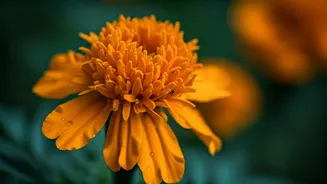
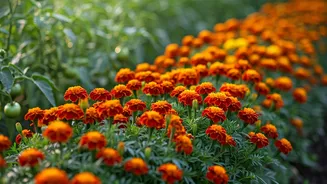
When we think of summer flowers, our minds might jump to more delicate or exotic blooms. But the humble marigold is a powerhouse of reliability and cheer, making it the perfect foundation for any potted garden. Their reputation as a workhorse flower is well-earned.
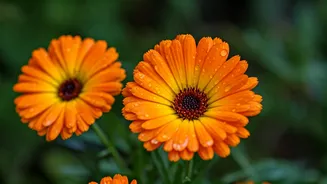
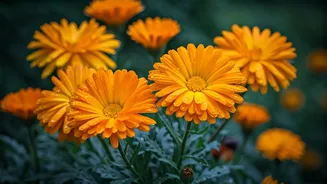
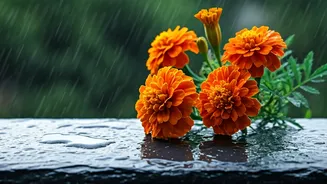
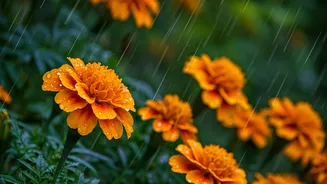
They thrive in the full sun and heat that can make other plants wilt, yet they are resilient enough to bounce back after a classic summer thunderstorm. Their blooms are not fleeting; they are consistent, offering a steady supply of vibrant oranges, sunny yellows, and deep burgundies from late spring until the first frost. This enduring display is what lends them their “festival” quality—a non-stop celebration of color. Beyond their beauty, marigolds are famously functional. Many gardeners swear by their ability to deter pests like nematodes in the soil and mosquitos in the air, making them a beautiful and practical companion for vegetable patches and patio seating areas alike.
Choosing Your Splash of Color
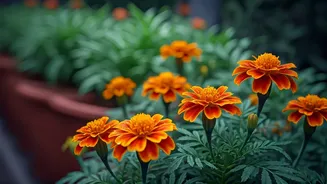
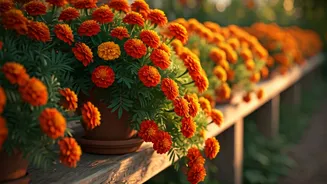
Navigating the marigold section at your local garden center is a joy, not a chore. The varieties are distinct enough to create stunning, multi-textured arrangements using only marigolds. The two most common types you’ll encounter are French marigolds (Tagetes patula) and African marigolds (Tagetes erecta). Don’t be fooled by the names; both originated in the Americas. French marigolds are the more compact and bushy of the two, typically growing between 6 and 12 inches tall. Their flowers are often smaller, appearing in single or double-petal forms, and come in a wide array of bicolored patterns. They are perfect for the front of a container or as filler. African marigolds, sometimes called American marigolds, are the showstoppers. They are taller, sometimes reaching up to three feet, and produce large, globe-shaped blooms that look like carnations or pompoms. Use these for a dramatic statement in the center or back of a large pot. For a truly low-maintenance option, consider Signet marigolds (Tagetes tenuifolia), which have a lacy foliage and edible, citrus-scented single flowers.
Perfecting Your Potted Display
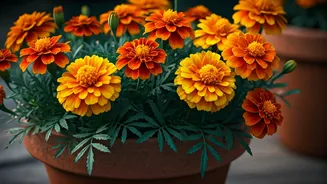
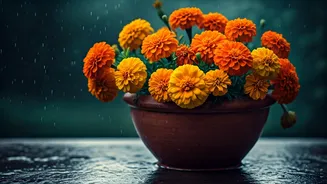
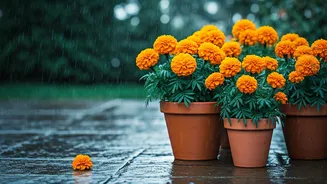
The key to a thriving marigold pot—especially one that has to withstand summer’s “monsoon” moments—is excellent drainage. Marigolds are tolerant of many things, but they hate having “wet feet.” Start with a container that has plenty of drainage holes. If it only has one, consider drilling a few more. Next, choose a quality potting mix, not heavy garden soil which compacts and holds too much water. A standard all-purpose container mix is perfect. When planting, give your marigolds some breathing room. Even the smaller French varieties will fill out, and good air circulation is crucial for preventing fungal issues like powdery mildew, which can crop up in humid, rainy weather. A good rule of thumb is to space plants about 8 to 10 inches apart. Feel free to mix and match. A tall African marigold in the center of a pot, surrounded by a ring of shorter French marigolds, creates a beautiful, multi-level display of coordinated color.
Care Through Sun and Storm
Once planted, marigolds are refreshingly low-maintenance. Their primary needs are sun and judicious watering. They require at least six hours of direct sunlight to produce a profusion of blooms. In terms of water, the goal is consistency. Check the soil daily with your finger; if the top inch is dry, it’s time to water thoroughly until it runs out the bottom. Be extra cautious during periods of heavy rain; if your pots are getting drenched daily, you can likely skip watering them yourself. The single most important task for keeping your marigolds looking their best is deadheading. This simply means pinching or snipping off the spent, faded flowers. Doing so prevents the plant from putting its energy into making seeds and instead encourages it to produce more new blooms. A few minutes of deadheading once or twice a week will reward you with a continuous, vibrant show all summer long.