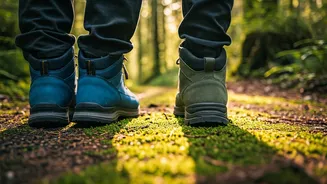









Escaping the Fitness Factory
For decades, the temple of fitness was a box. Four walls, climate control, and rows of gleaming machines designed to isolate and work specific muscles. We were told this was the peak of efficiency—a controlled environment for optimized results. We put
in our earbuds, stared at a screen displaying digital mountains, and ran miles without going anywhere. While effective for building strength or endurance, this model often stripped exercise of its inherent joy and connection. It became another task to be completed, a metric to be tracked on an app, a solo performance in a room full of strangers. The soundtrack wasn't birdsong or neighborhood chatter; it was the hum of the air conditioner and the clank of weights.
The Science of a Greener Workout
The shift outdoors is more than just a vibe; it's backed by a growing body of science. Researchers use the term “green exercise” to describe activity performed in natural environments, and they’ve found it provides a powerful mental health boost that indoor workouts often lack. Studies suggest that exercising outside can decrease levels of the stress hormone cortisol, reduce feelings of anger and depression, and improve self-esteem more effectively than the same workout performed indoors. The simple act of exposure to sunlight provides a critical dose of Vitamin D, which is essential for bone health and mood regulation. Our brains, it turns out, are hardwired to respond positively to natural landscapes, variable terrain, and the simple, profound feeling of sun on our skin and wind in our hair.
Finding the Tribe Outside
Perhaps the most “human” element of this trend is the resurgence of community. While gyms can be social spaces, the connections are often fleeting and transactional. Outdoor fitness, by contrast, has sparked a renaissance of group activity. Free running clubs now meet in nearly every city, their numbers swelling with people of all paces. Rucking—walking with a weighted backpack—has exploded in popularity, fostering a sense of shared purpose and resilience. These groups aren't selling memberships; they’re building communities. The shared experience of tackling a tough hill, braving a chilly morning, or celebrating a finished route together creates organic bonds that a solo session on the elliptical simply can’t replicate. You aren’t just fellow gym-goers; you’re a team, united by a common, tangible goal.
Embracing Beautiful Imperfection
The gym is a world of perfect control. The temperature is always 70 degrees, the floor is always flat, and the machine’s resistance is always predictable. The outdoors is beautifully, messily imperfect. A trail might be muddy after a rain, a sudden headwind can make a run twice as hard, and a sunny day can turn cloudy without warning. And that’s the point. Exercising outdoors teaches adaptability and resilience. It forces you to be present and react to your environment, rather than zoning out. This small dose of unpredictability is a welcome antidote to lives that are often over-scheduled and hyper-optimized. It reminds us that we are not machines but adaptable organisms, capable of finding strength and even joy in navigating a world that we can’t entirely control. It makes the workout less of a controlled experiment and more of a human adventure.