
So, What Exactly Is It?
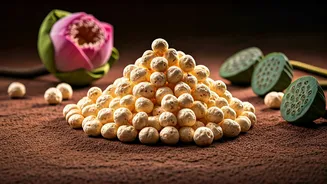
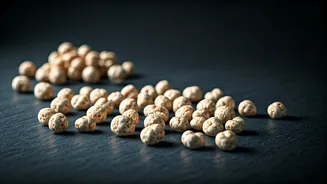
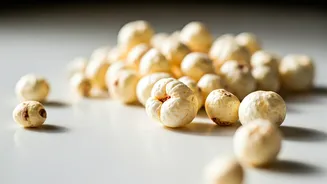
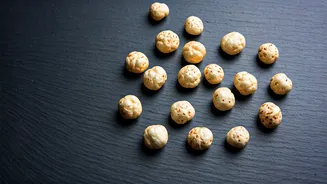
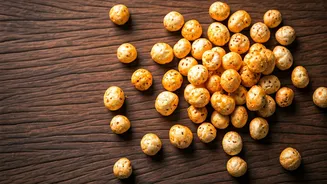
Despite often being called fox nuts or phool makhana, this snack isn’t a nut at all. Makhana are the harvested, dried, and popped seeds of the prickly water lily (Euryale ferox), a plant that grows in stagnant wetlands across Asia. Think of it as the aquatic
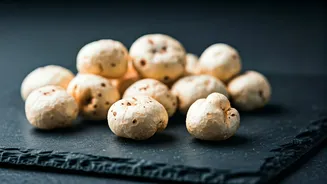
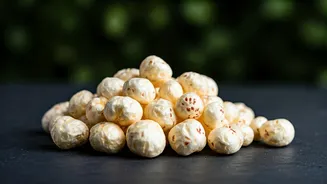
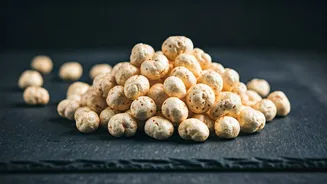
cousin to popcorn. The raw seeds are incredibly hard. To become the airy, white puffs you see in bags, they are meticulously roasted in hot sand or pans, where they pop and expand, shedding their dark outer shell. The result is a neutral-tasting, delightfully crunchy snack with a texture somewhere between a cheese puff and a stale piece of popcorn—in the best way possible. This blank-canvas quality makes it perfect for absorbing any flavor it's paired with, from savory spices to sweet coatings.
An Ancient Snack's Modern Moment
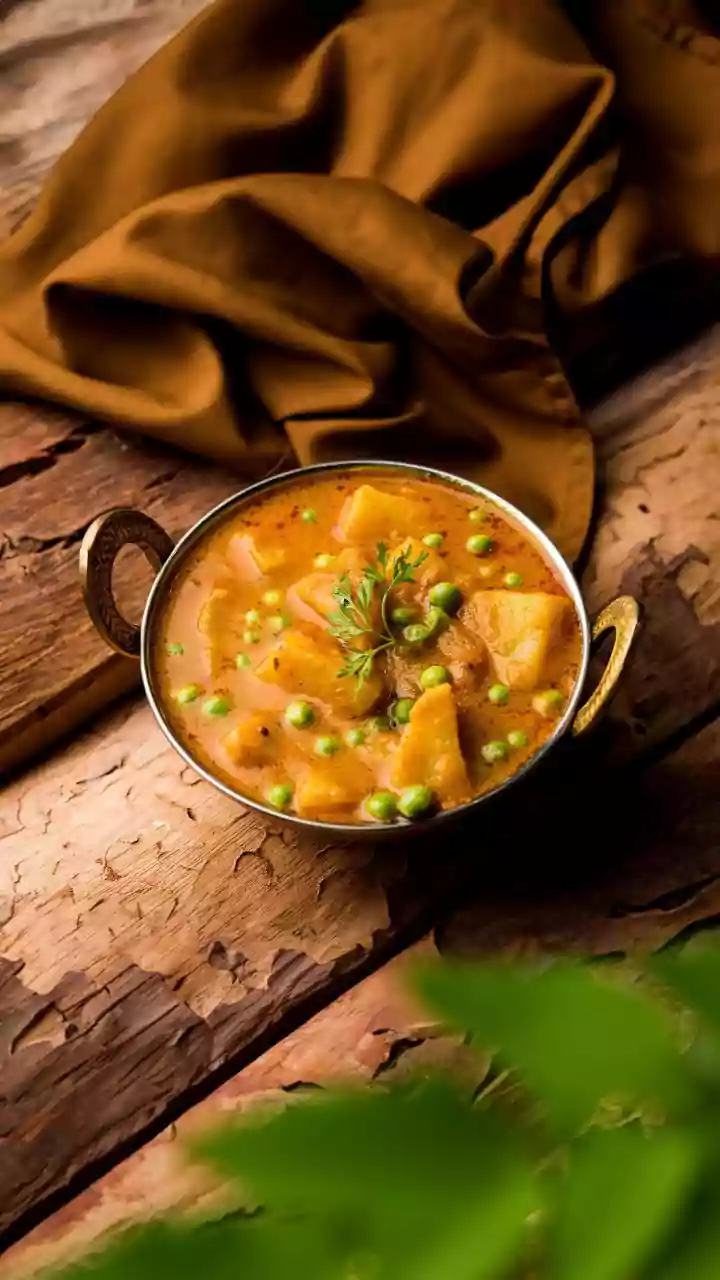
While makhana might seem like a brand-new invention to most Americans, it has been a staple in India and other parts of Asia for centuries. For thousands of years, it’s been used in Ayurvedic medicine and as a common food, particularly during fasting periods when grains are avoided. Traditionally, it’s roasted in ghee and lightly salted for a simple snack, added to curries and creamy gravies for texture, or ground into flour. Its long history is one of sustenance and holistic wellness, deeply woven into the cultural fabric. The labor-intensive process of harvesting and popping the seeds by hand has traditionally kept it a regional delicacy, but modern processing techniques have helped prepare it for a global stage.
Why Is It Trending Now?
Makhana’s sudden rise in the U.S. is a perfect storm of modern dietary trends. First, it hits all the right wellness notes: it’s naturally gluten-free, corn-free, soy-free, and plant-based, making it accessible to a wide range of eaters with dietary restrictions or preferences. Nutritionally, it’s a lightweight powerhouse. It's low in calories and fat but offers a respectable amount of plant protein and fiber. It’s also noted for being a good source of minerals like magnesium, which is crucial for everything from muscle function to nerve health. As consumers continue to hunt for “better-for-you” snacks that don’t sacrifice crunch or satisfaction, makhana has emerged as an ideal candidate to dethrone potato chips and even challenge the reign of popcorn.
From Niche to Mainstream Aisle
The credit for makhana's U.S. breakthrough goes to a wave of savvy entrepreneurs who saw its potential. Brands like AshaPops, Bohana, and Taali have dressed up this humble seed in slick, modern packaging and a variety of appealing flavors that cater to the American palate. You can now find bags of makhana seasoned like everything from Himalayan Pink Salt and White Cheddar to Dark Chocolate and Turmeric Garlic. These brands are positioning it not as an exotic import but as a direct competitor in the crowded snack aisle, available on Amazon, in health food stores like Whole Foods, and increasingly, in conventional supermarkets. They’ve successfully translated an ancient food for a new audience that’s perpetually hungry for the next big thing in healthy snacking.
How to Get Your Makhana Fix
Ready to try it? Your easiest entry point is a pre-packaged, flavored bag from your local grocery store or online. This gives you a convenient way to sample what the fuss is about. For the more adventurous, buying a bag of plain, unroasted makhana from an Indian grocery store or online retailer opens up a world of possibilities. You can easily roast them yourself at home. Just heat a little ghee, coconut oil, or butter in a pan over medium heat, toss in the makhana, and stir for 5-7 minutes until they are warm and extra-crispy. Sprinkle with salt, chaat masala, nutritional yeast, or even cinnamon sugar for a custom snack that’s ready in minutes.