
An Antidote to the Over-Touristed World
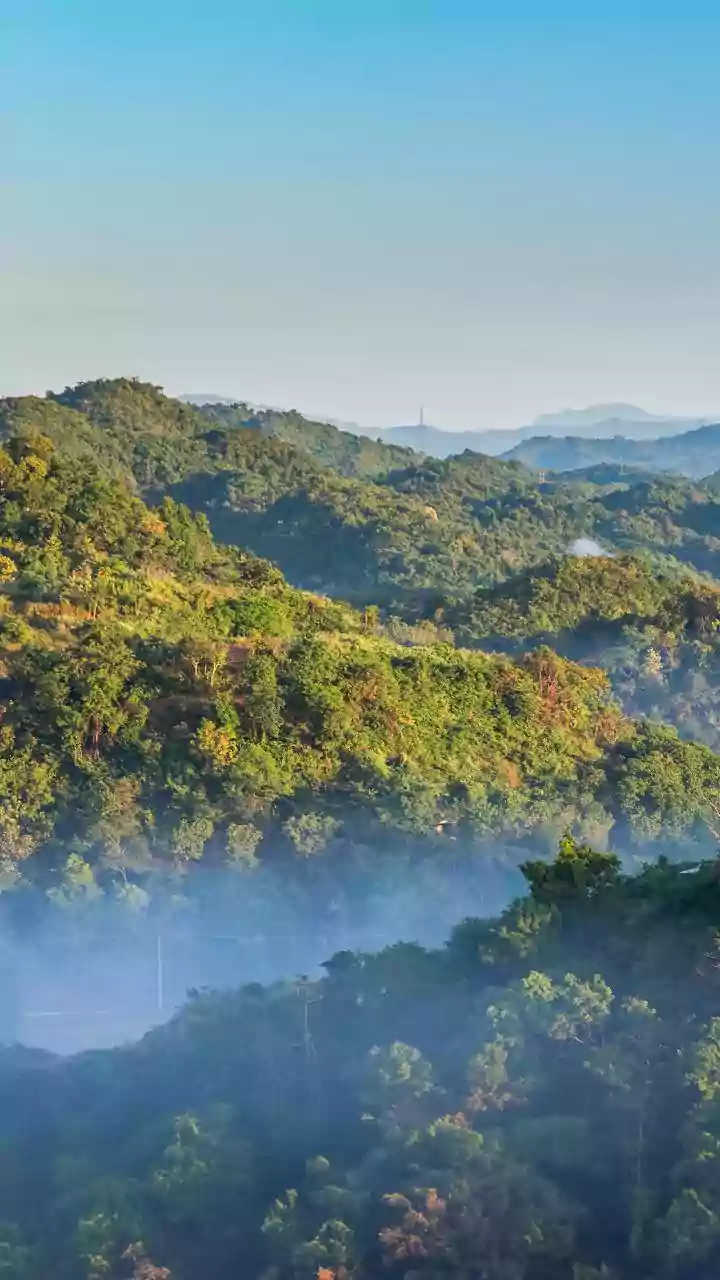
Imagine a place where the loudest sound is the wind whistling through pine trees, and the most pressing item on your agenda is watching the sun set behind the world’s highest peaks. This isn’t a fantasy; it’s a typical summer afternoon in Auli, a remote
hill station nestled in the Garhwal Himalayas of Uttarakhand, India. For the American traveler accustomed to vacations that feel more like performance art—documented on Instagram and packed with back-to-back activities—Auli offers something radically different: permission to simply be. Located at an elevation of over 8,200 feet, it’s a destination that feels both physically and spiritually removed from the noise of modern life. It’s not about what you can do there, but how it makes you feel: calm, centered, and small in the face of nature’s grandeur.
From Ski Slopes to Summer Meadows
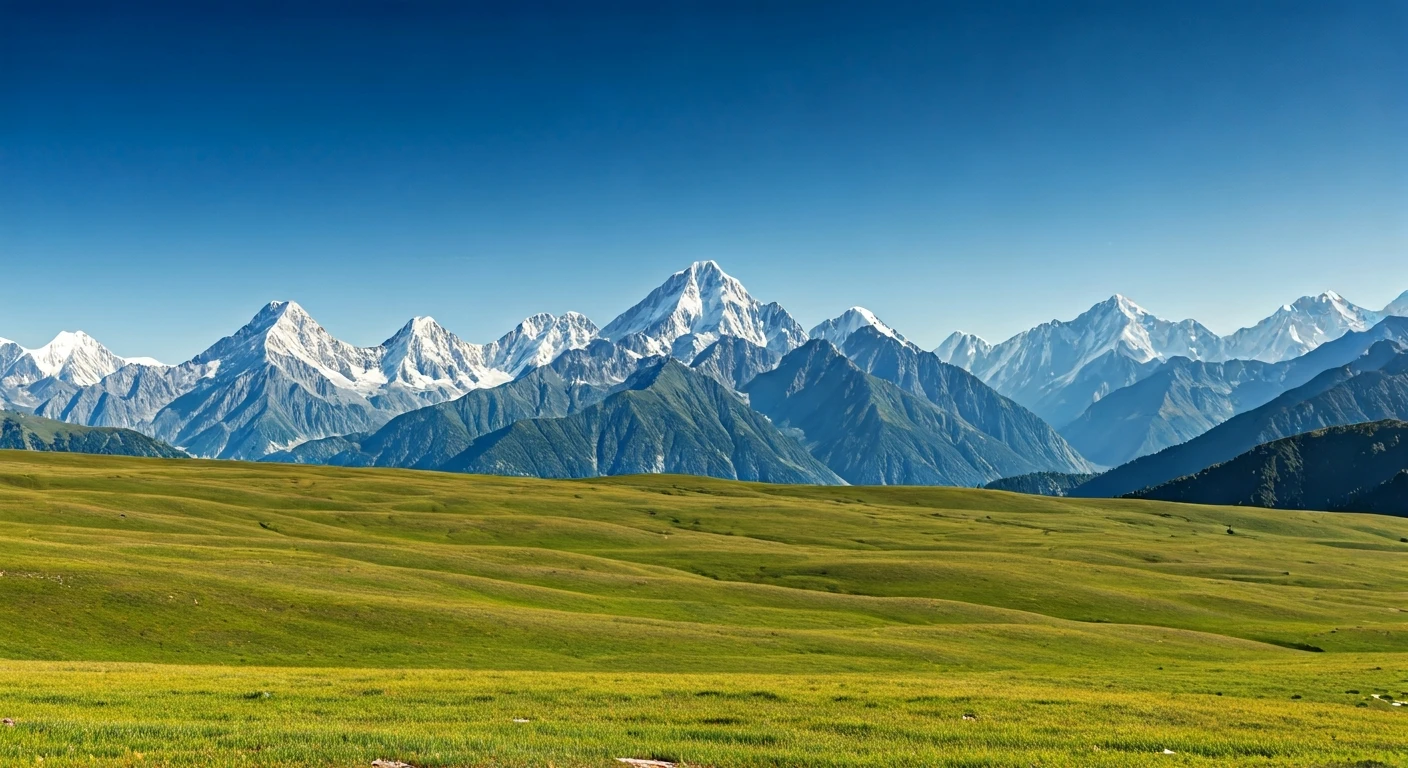
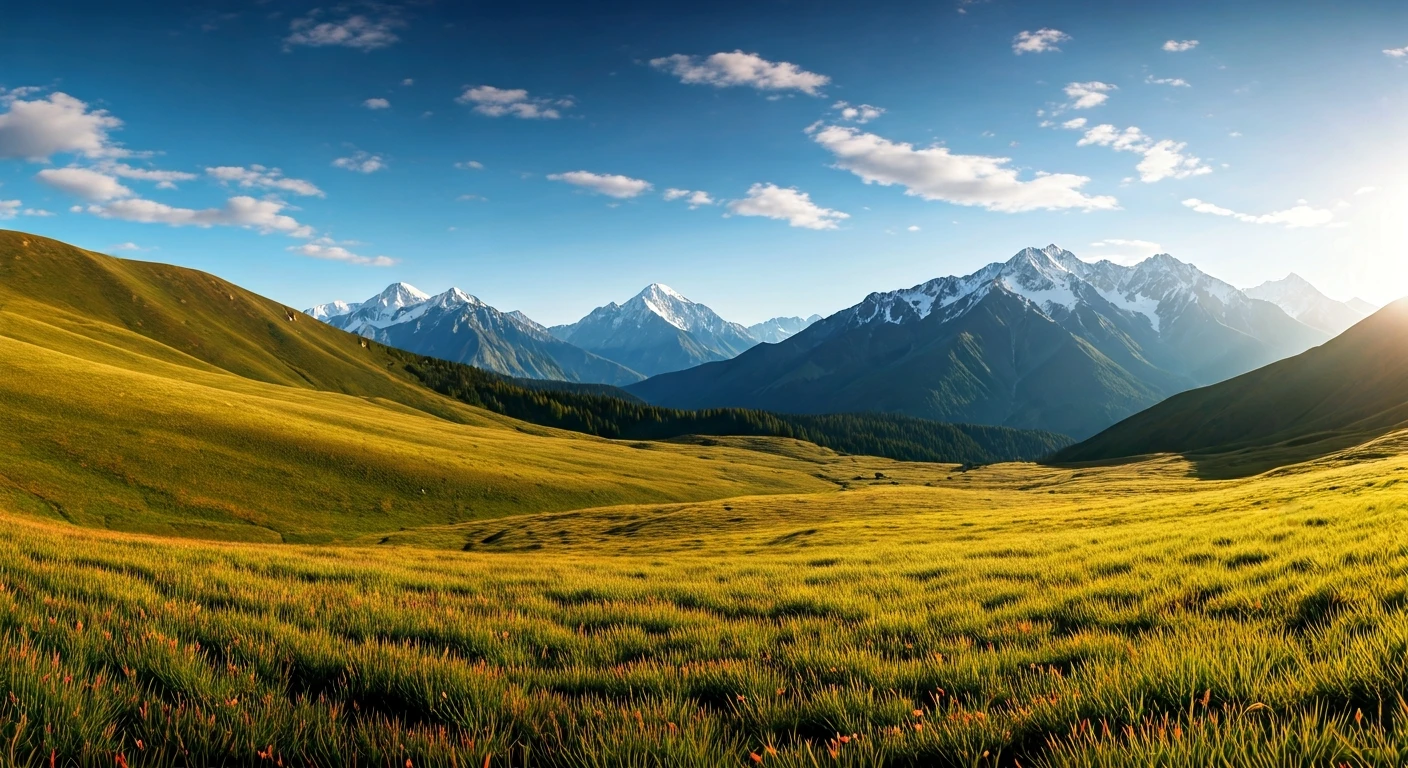
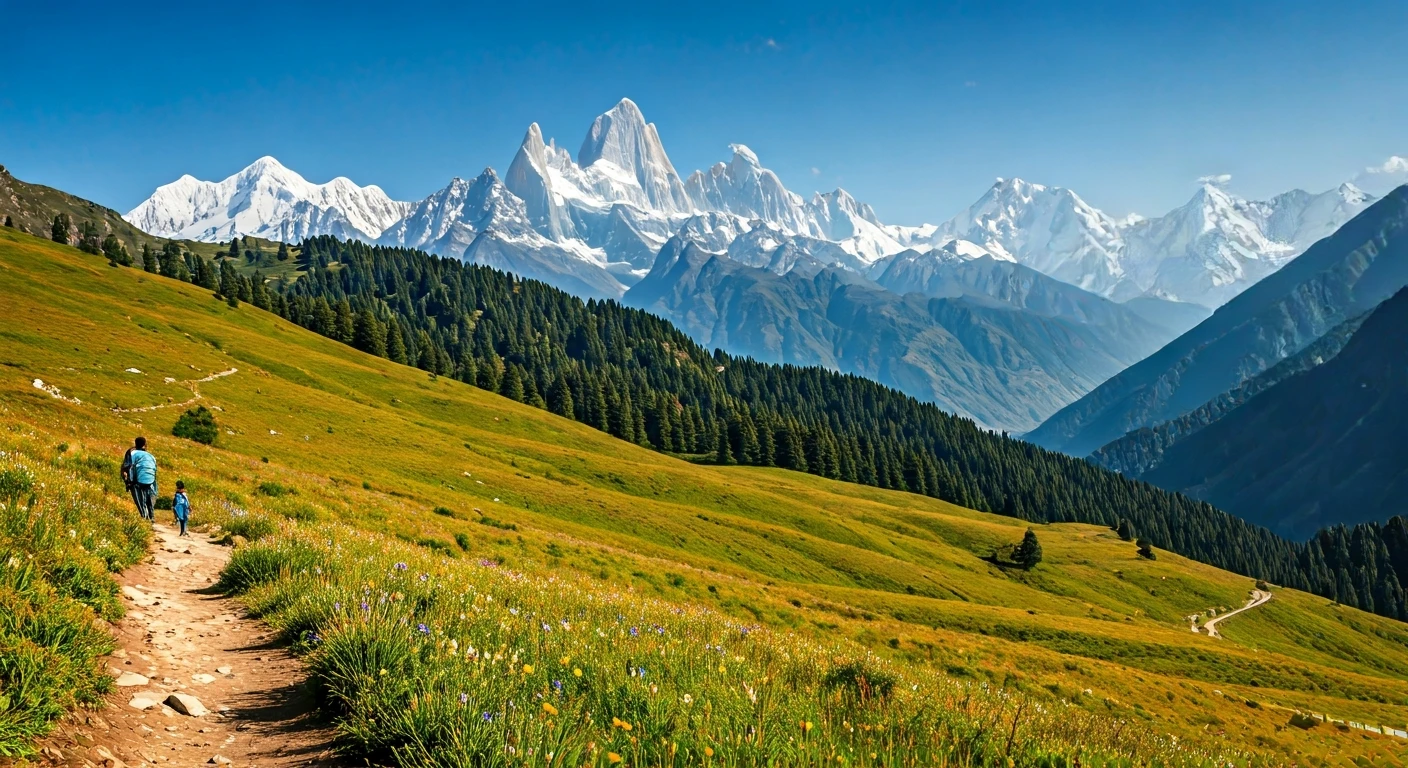
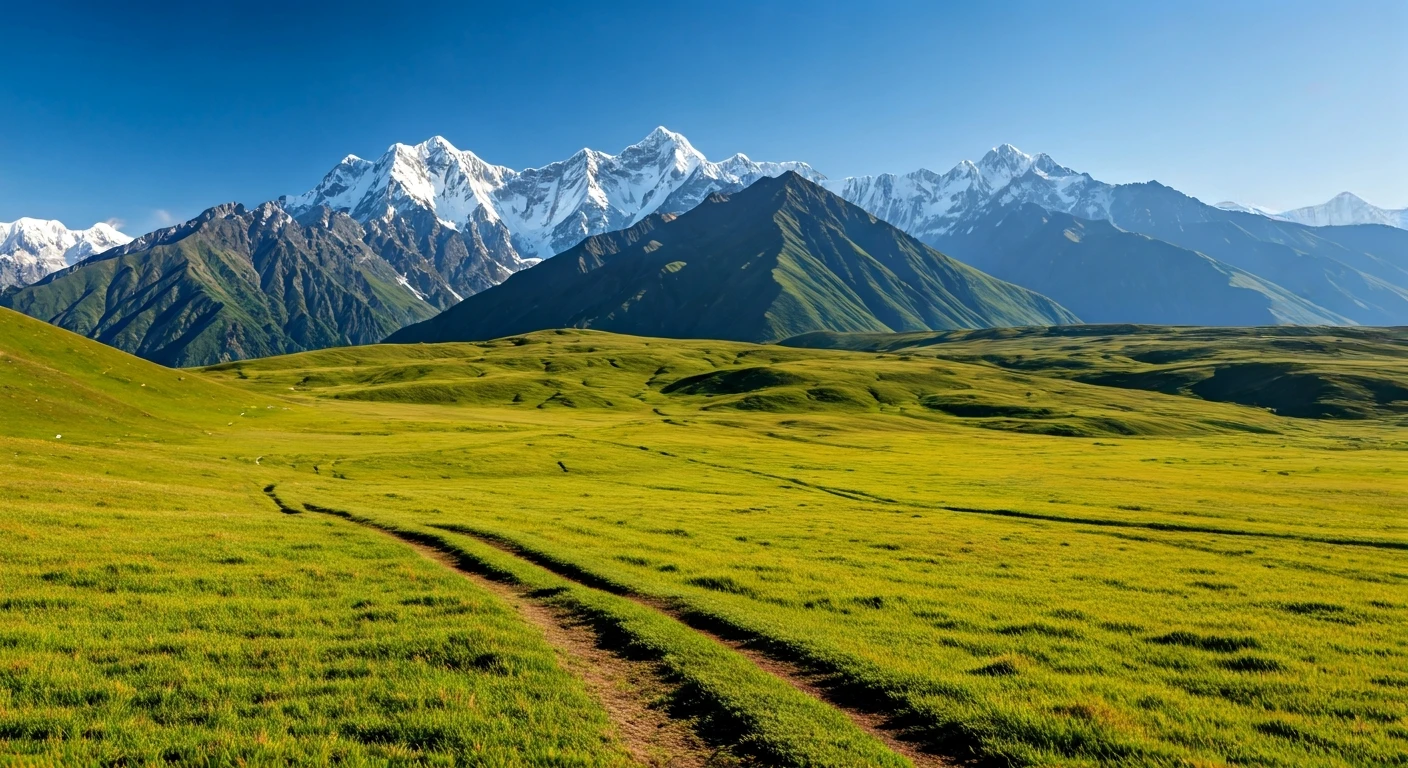
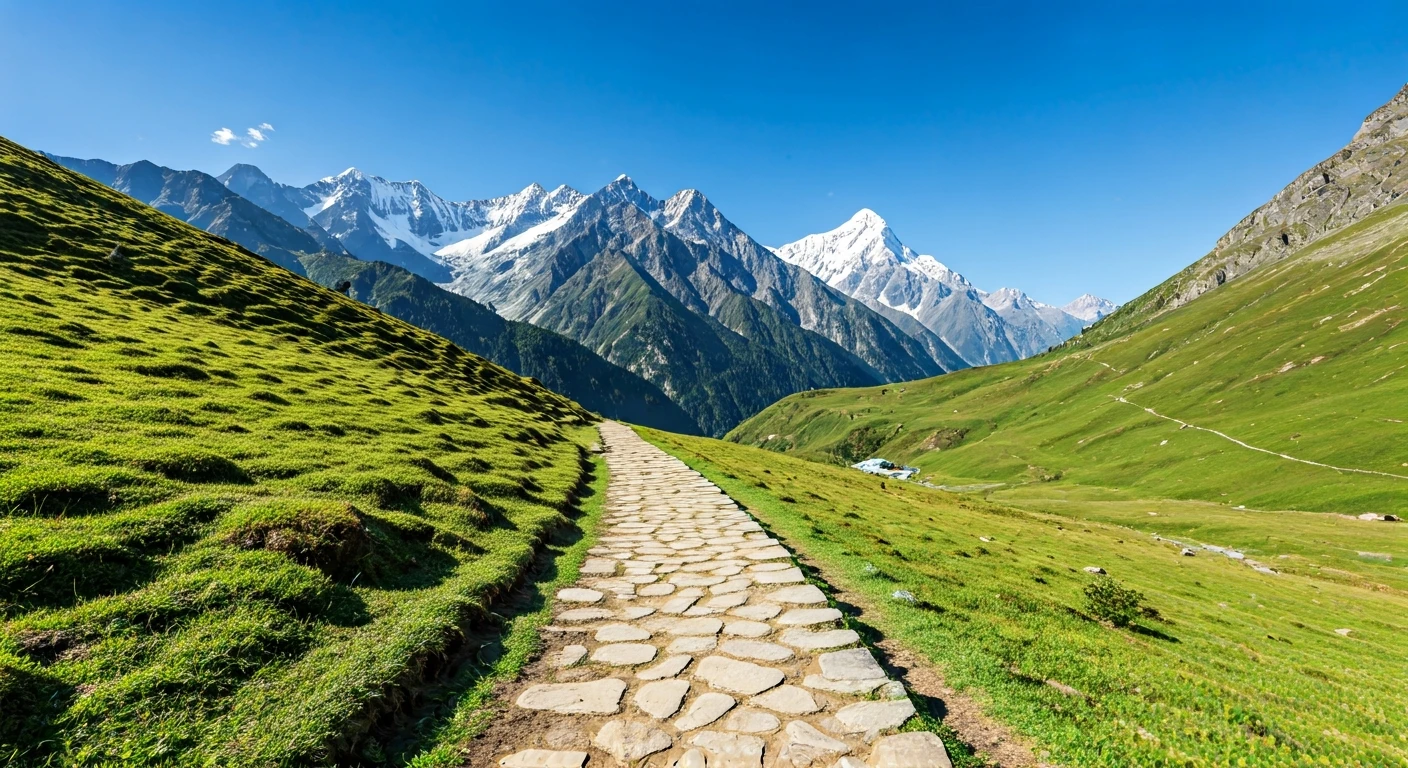
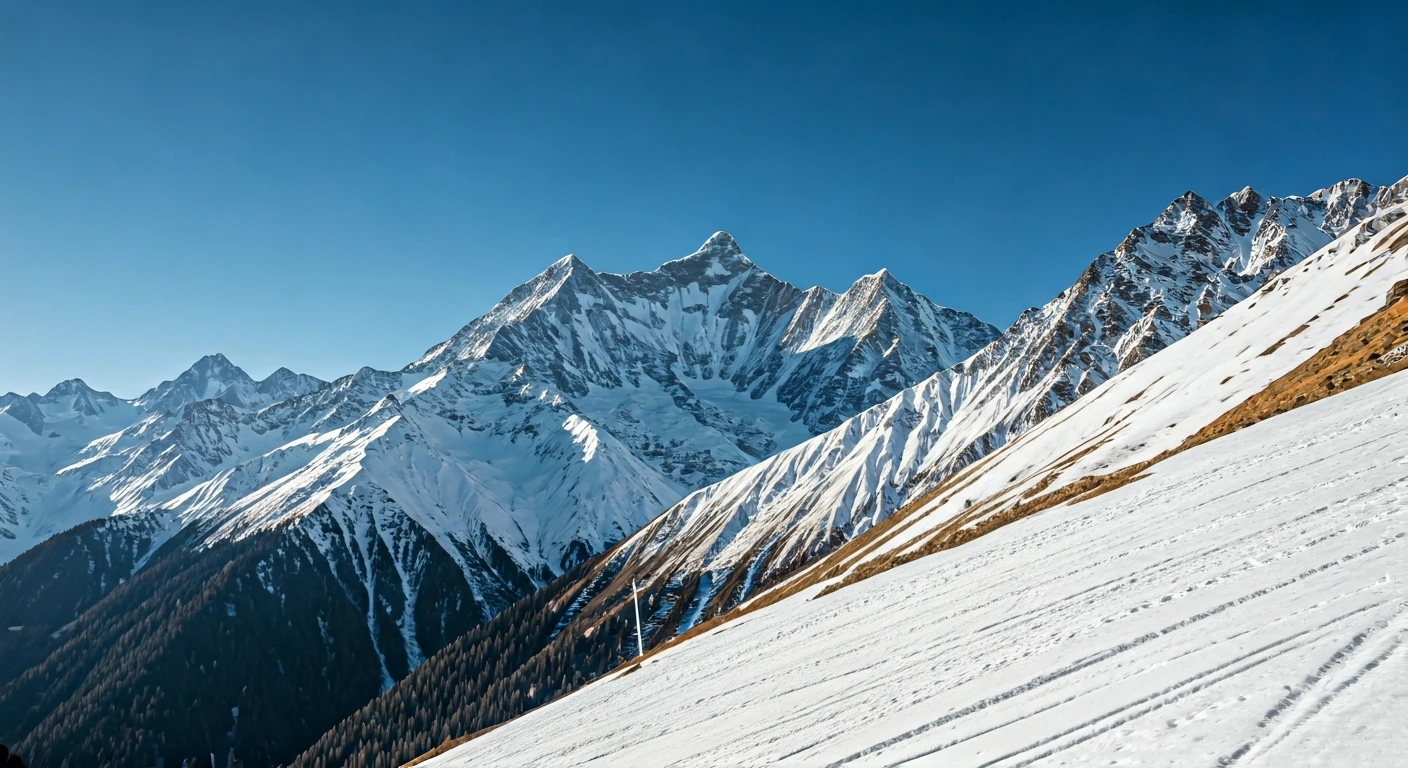
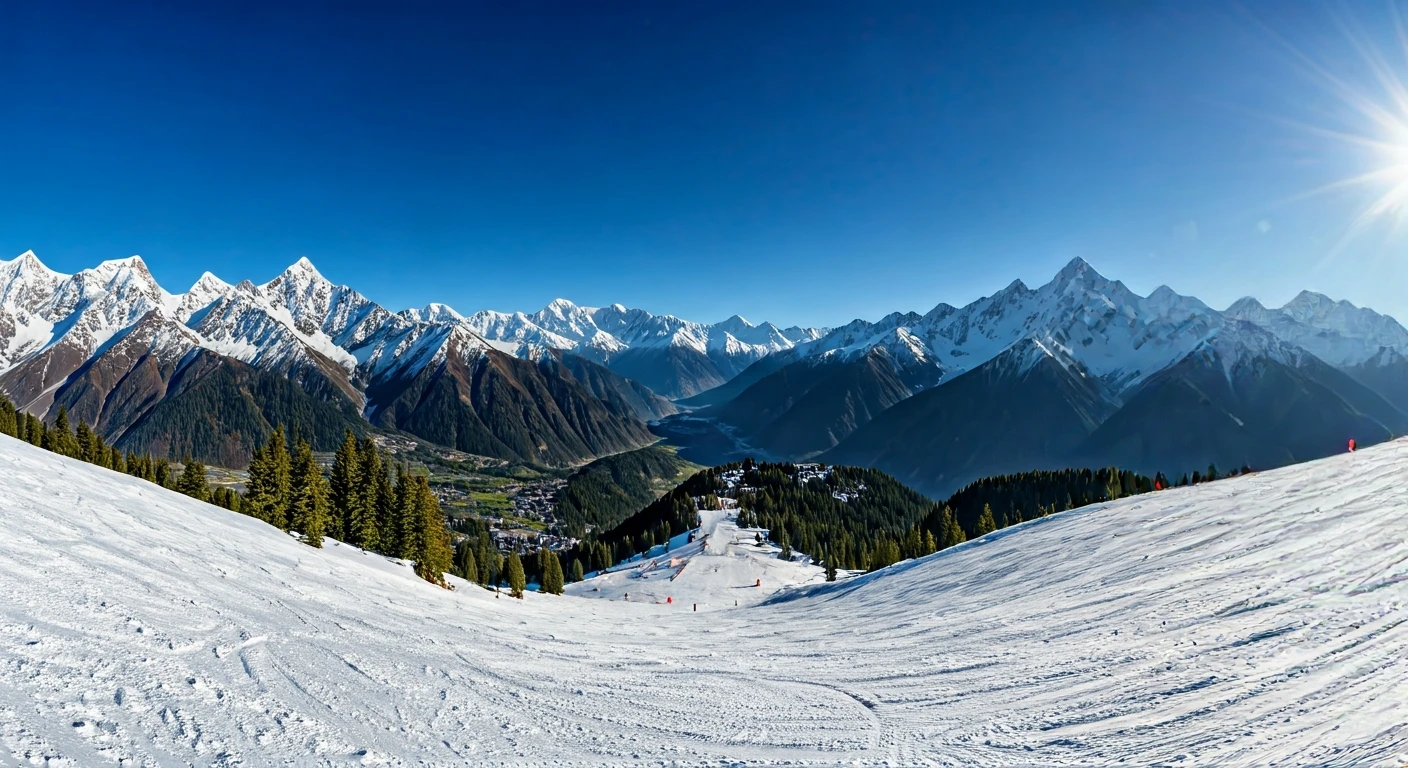
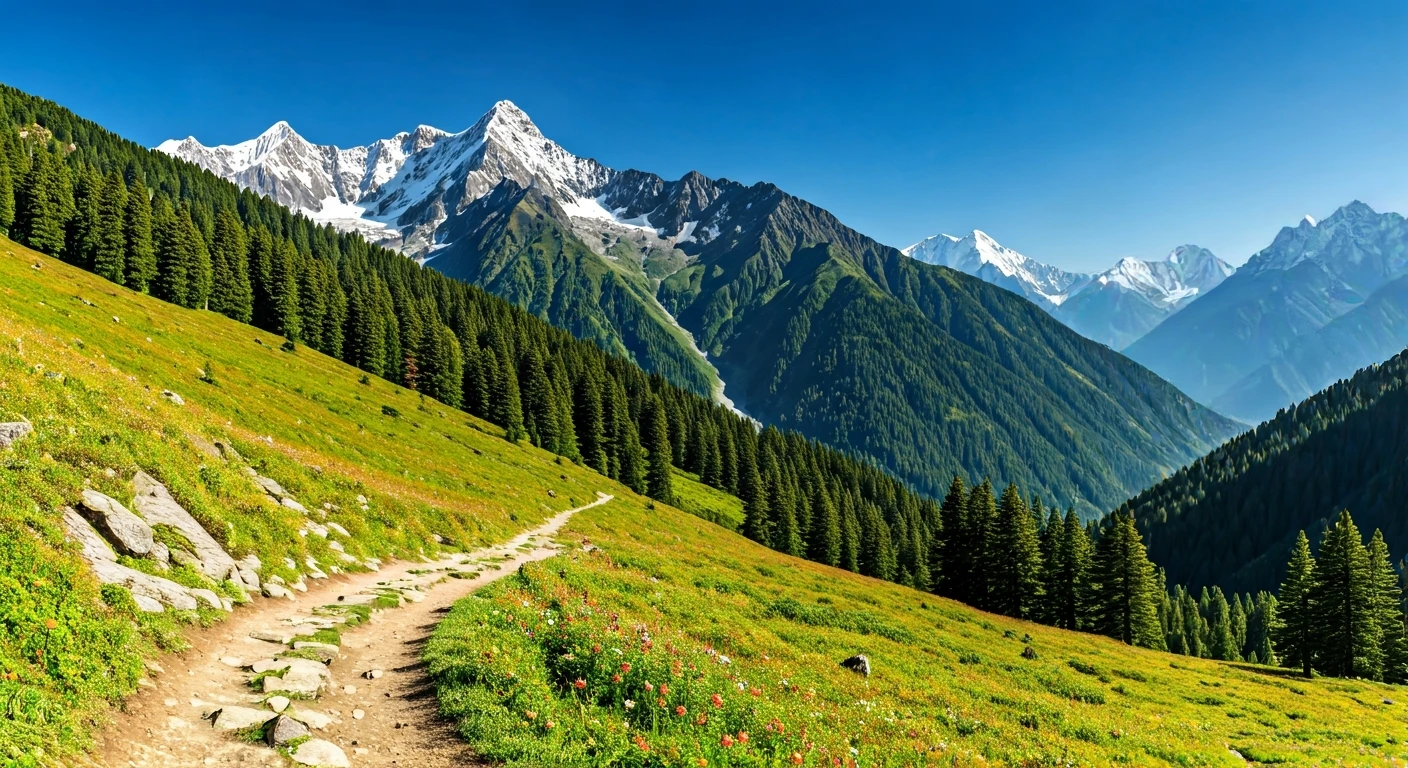
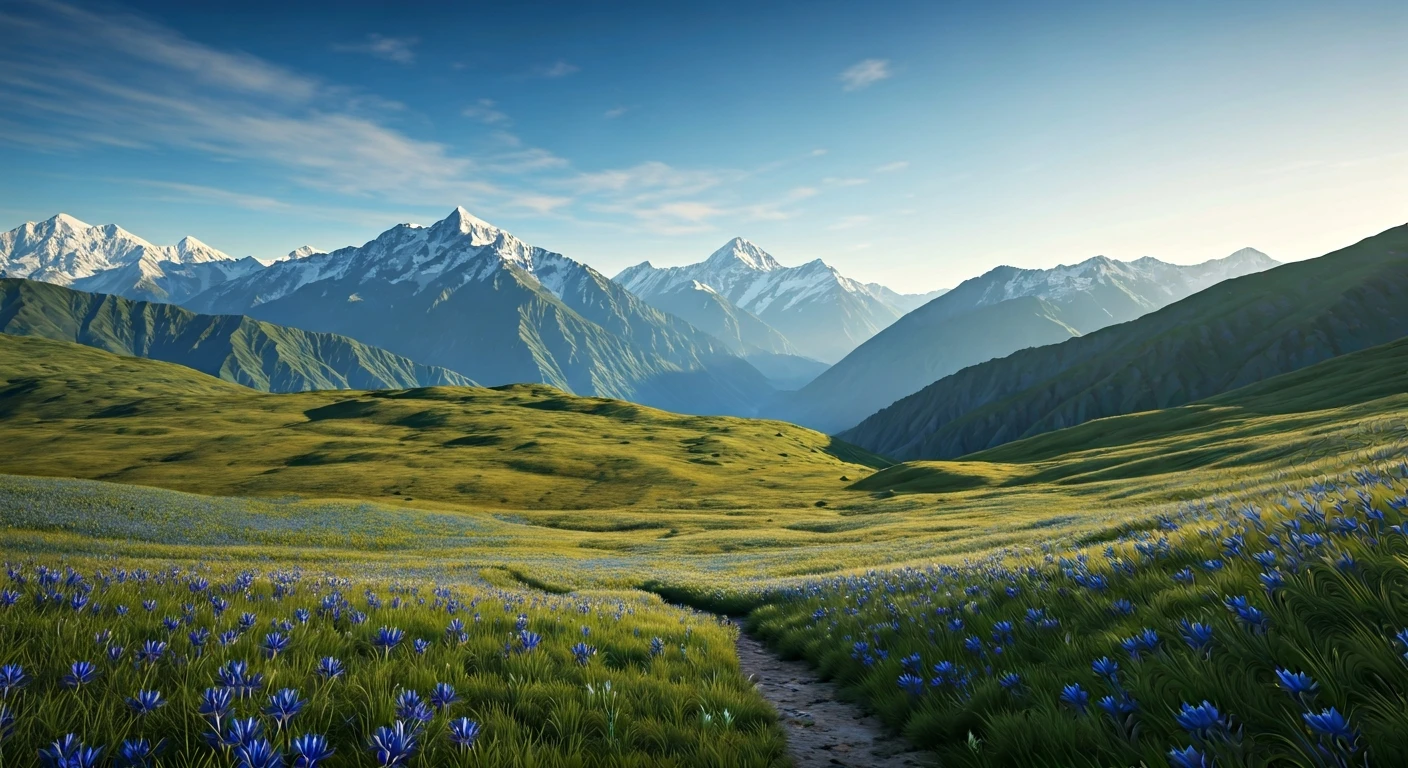
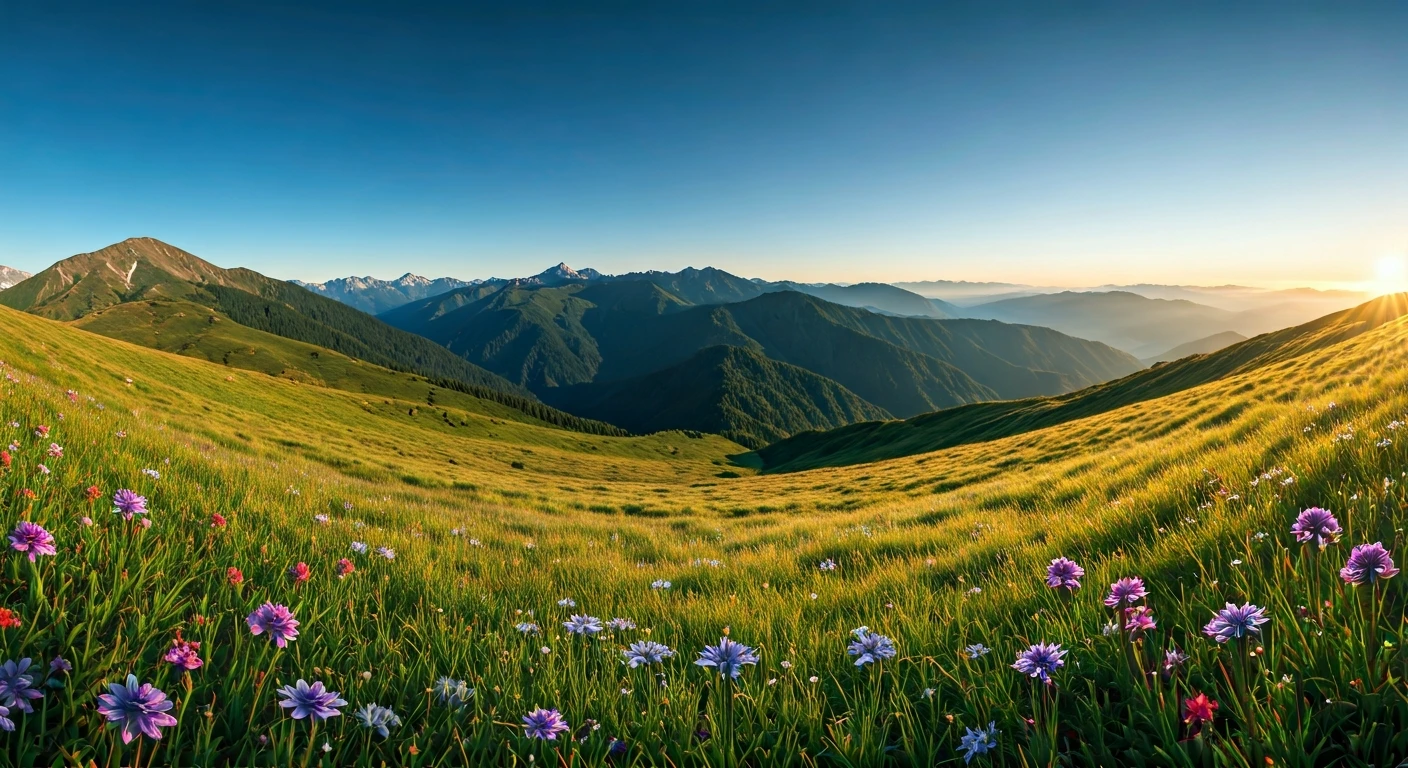
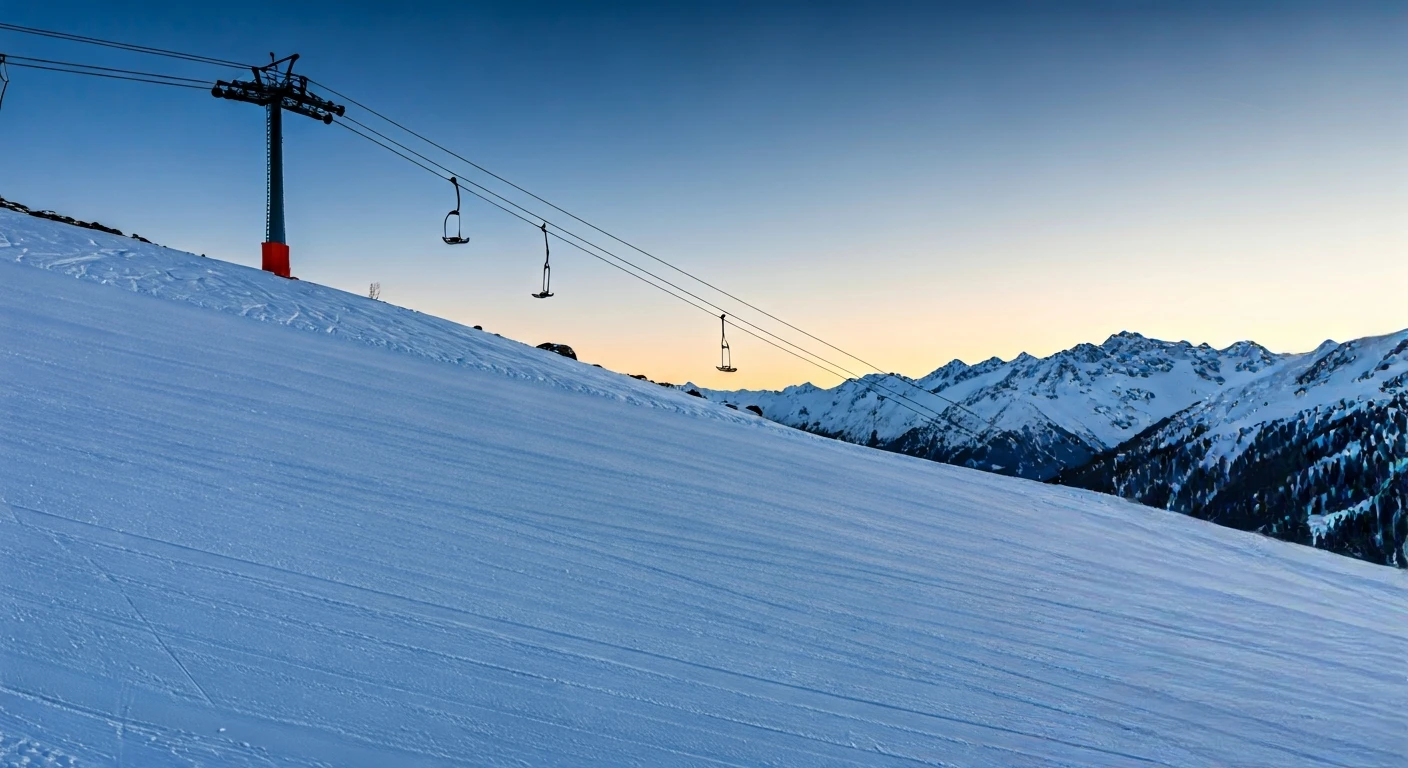
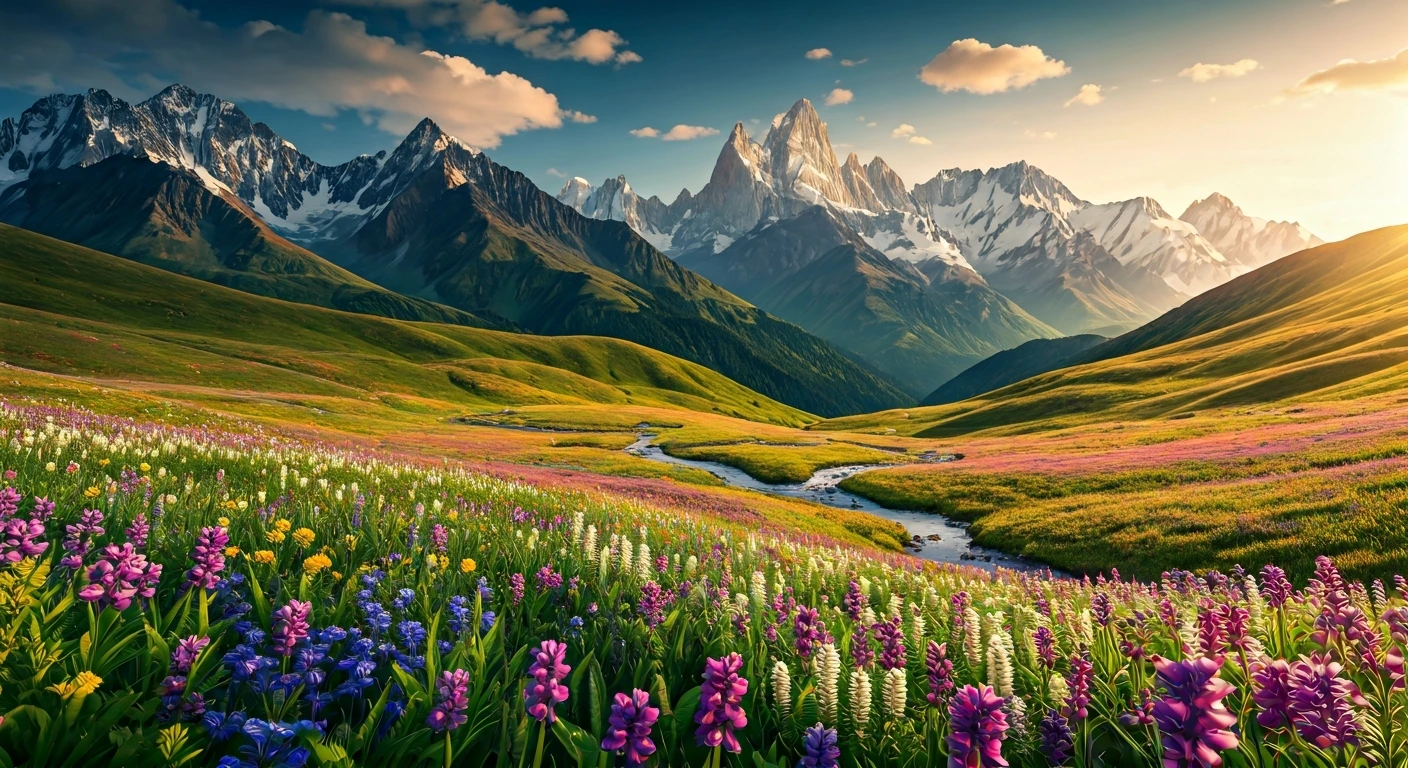
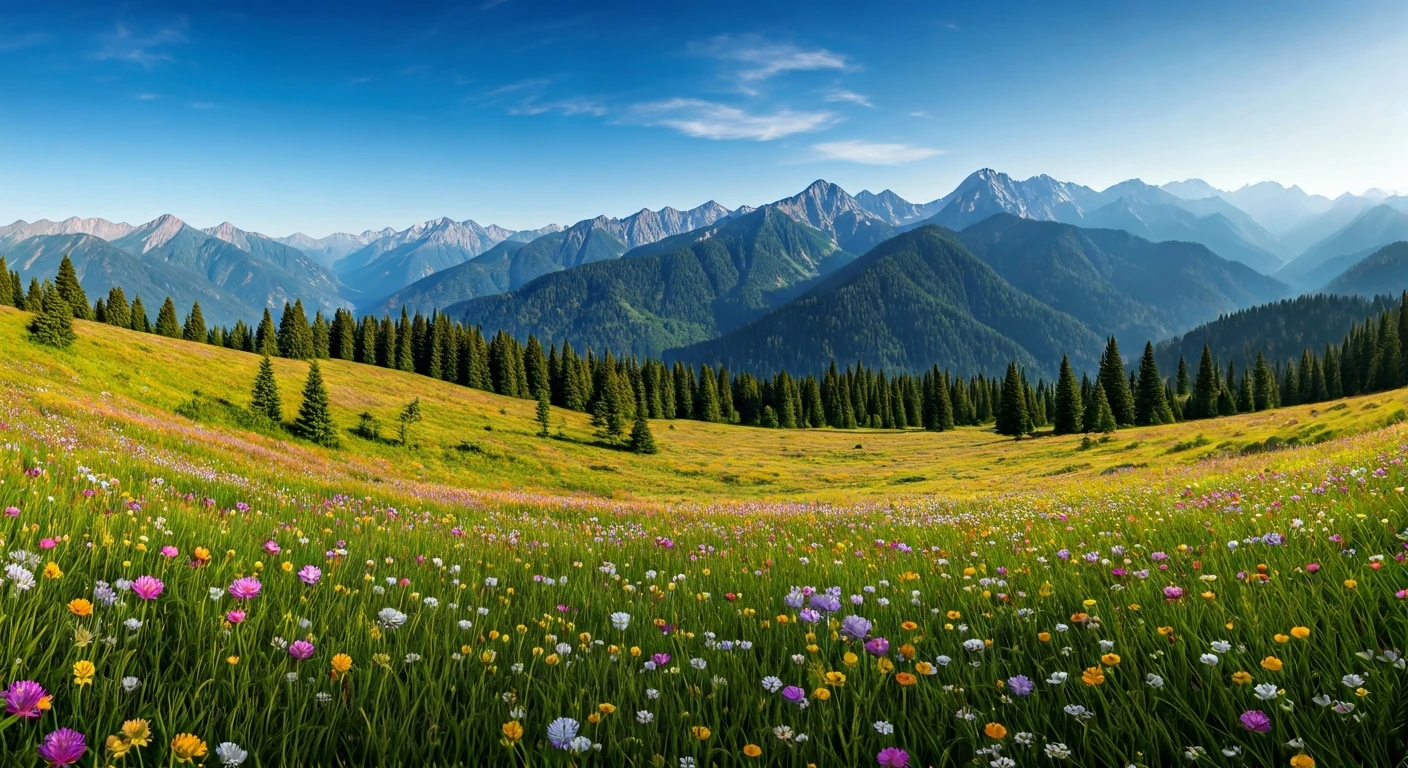
While Auli is renowned in India as a premier ski destination during the winter, its summertime persona is what truly captures the spirit of “calm mountain energy.” When the snow melts, it reveals vast, undulating meadows, known as ‘bugyals,’ carpeted in a riot of wildflowers. These verdant pastures are Auli’s main attraction, offering endless opportunities for gentle walks, picnics, and quiet contemplation. The main draw is the staggering, 270-degree view of the Himalayas, including the iconic Nanda Devi, India’s second-highest peak. Unlike the aggressive, conquest-driven hiking culture found in some mountain towns, the ethos here is about immersion. The goal isn’t to conquer a summit before lunch but to find a spot on the grass and watch the clouds drift across the peaks for an hour.
The Search for Quiet Travel
The appeal of a place like Auli speaks to a broader shift in travel priorities. After years of chasing “once-in-a-lifetime” experiences that often come with crowds, high costs, and logistical stress, many are now seeking the opposite. They crave decompression, not stimulation. This isn’t about being lazy; it’s about intentional stillness. This trend toward “slow travel” prioritizes connection—to nature, to a local culture, and to oneself—over a packed itinerary. Auli is the physical embodiment of this desire. There are no major shopping streets, no Michelin-starred restaurants, and no sprawling theme parks. Its charm lies in its simplicity. You can ride the scenic cable car from the nearby town of Joshimath, one of the longest in Asia, not to get to a specific attraction, but for the ride itself—a silent, soaring journey above the forest canopy.
A Different Kind of Adventure
For those who need a little more activity, Auli provides it in a gentle, nature-focused way. Short treks lead to landmarks like Gorson Bugyal, an even larger high-altitude meadow, or to the small, serene Auli Artificial Lake, which was built to provide snow for the ski slopes but now serves as a stunningly beautiful mirror for the mountains. The proximity to spiritual hubs like Joshimath and Badrinath also infuses the area with a palpable sense of peace and history that transcends tourism. The adventure in Auli is not about adrenaline-pumping feats; it's about disconnecting from your digital tethers and reconnecting with the natural world on a profound level. It’s about trading the constant buzz of notifications for the distant sound of a temple bell or the rustle of leaves.