



Beyond the Faux-Leather Couch
The old vision of a “pet-friendly” home often involved durable, non-porous, and frankly, uninspired materials. It was a defensive strategy, designed to protect our belongings from the delightful chaos of our furry companions. Biophilic design, however,
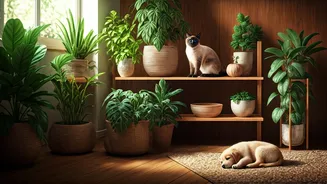
isn't about defense; it's about integration. The philosophy is rooted in the idea that humans have an innate need to connect with nature, and that bringing natural elements indoors—light, water, plants, and natural materials—improves our well-being. The latest evolution of this trend recognizes that our pets are part of our home’s ecosystem. Instead of just pet-proofing a space, designers and homeowners are now creating environments that are stimulating and safe for animals while being beautiful and calming for people.
What 'Fully Biophilic' Actually Means
Going “fully biophilic” in a pet-safe way moves beyond just scattering a few non-toxic plants around. It’s a holistic approach that considers how pets experience a space. This means incorporating natural textures they can interact with, layouts that cater to their instincts, and sensory elements that mimic the outdoors. Think of a scratching post made from a real tree branch (sanded and secured, of course) instead of a carpeted tower, or a low-profile water feature that doubles as an elegant, filtered drinking fountain for a cat or dog. It’s about using natural, organic shapes and patterns that break up the hard lines of a typical room, creating a softer, more varied landscape for everyone to enjoy.
A Guide to Safe Greenery
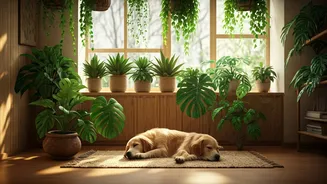
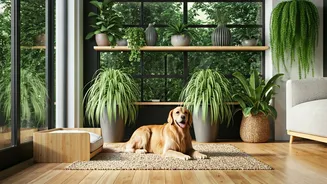
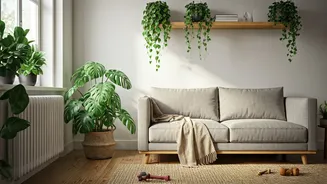
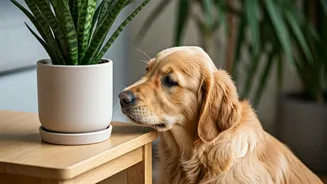
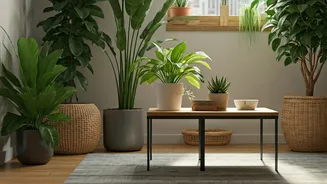
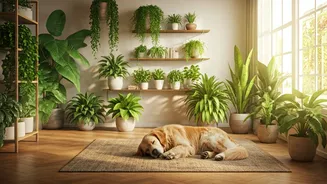
Plants are the most obvious component of biophilic design, but for pet owners, they’re also the biggest source of anxiety. Many popular houseplants like lilies, snake plants, and philodendrons are toxic to cats and dogs. A truly biophilic pet home requires a carefully curated selection of safe greenery. Fortunately, the options are plentiful and beautiful. Great choices include the entire Calathea family (like the Rattlesnake Plant), which boasts stunning foliage patterns; the classic Spider Plant, which is also a powerful air purifier; and lush ferns like the Boston Fern or Bird’s Nest Fern. Palms such as the Areca or Parlor Palm add verticality and a tropical feel without the risk. The key is to always double-check a plant's toxicity level with a reliable source like the ASPCA's plant database before bringing it home. For extra-curious pets, consider vertical wall planters or hanging baskets to keep foliage out of immediate reach.
Materials, Light, and Layout
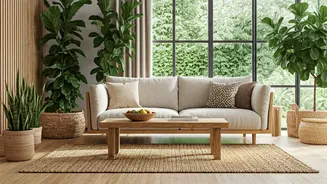
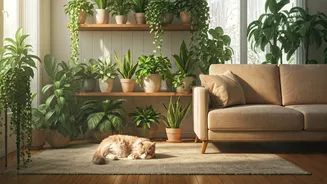
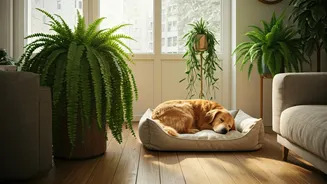
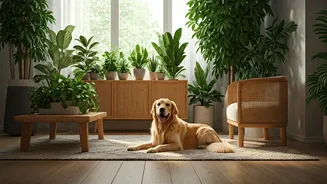
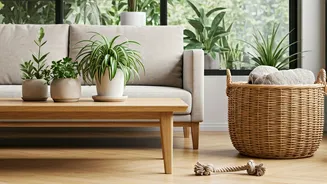
Biophilia extends far beyond flora. The materials underfoot and in your furniture play a huge role. Swap out synthetic fibers for natural ones like wool, jute, or sisal for rugs. These are durable and offer textural interest for paws and feet alike. Look for furniture made from solid, untreated woods or stone. Even your pet’s gear can get a biophilic upgrade: think dog beds made from organic cotton or wicker cat caves. Maximizing natural light is another core tenet. Large, bare windows (or ones with pet-safe cord-free blinds) benefit everyone’s mood and health. Finally, consider layout from a pet's perspective. Cats instinctively seek “prospect and refuge”—high perches to survey their domain and cozy, enclosed nooks to hide in. A well-placed cat tree near a window or a snug bed tucked under a side table fulfills these natural drives.
A Calmer Home for Everyone
The ultimate benefit of this trend is the creation of a less stressful home environment. Studies have shown that exposure to natural elements can lower human blood pressure and reduce anxiety. It’s logical to assume these benefits extend to our animal companions. The sounds of a small water feature, the feeling of a natural fiber rug, the sight of swaying greenery—these elements create a multisensory experience that can be particularly soothing for anxious pets. Instead of a sterile environment where they’re constantly told “no,” a biophilic home is an enriching space designed for their well-being, too. It’s an investment in a calmer, healthier, and more beautiful life for every member of the family, two-legged or four.