




You’re Creating a Crucial Habitat
The “life” in the headline isn’t just an expression. Pollinators—including bees, butterflies, moths, beetles, and hummingbirds—are essential for our ecosystems and food supply. They are responsible for the reproduction of over 85% of the world's flowering
plants, including many fruits and vegetables. However, habitat loss, pesticide use, and climate change have put immense pressure on their populations. A pollinator garden, no matter the size, acts as a vital refuge. It’s a B&B for bees, offering food (nectar and pollen) and shelter, helping to mend fragmented landscapes one backyard at a time.
Choose Native for a Low-Maintenance Oasis
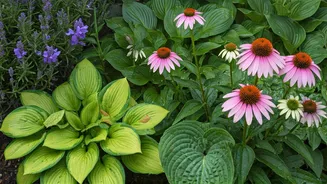
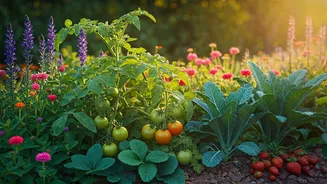
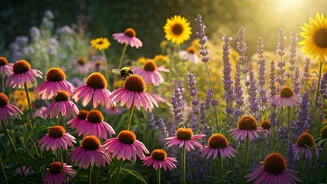
The secret to a successful, low-effort pollinator garden is to think local. Native plants, which have co-evolved with local wildlife for centuries, are the absolute best food source for regional pollinators. They are also beautifully adapted to your specific climate, soil, and rainfall patterns. This means they generally require less water, less fertilizer, and less fuss than non-native ornamentals once established. Swapping a thirsty, manicured lawn for a patch of hardy native wildflowers like coneflowers, bee balm, or milkweed not only saves you time and resources but provides the perfect meal for local bees and butterflies.
Design for a Season of Color
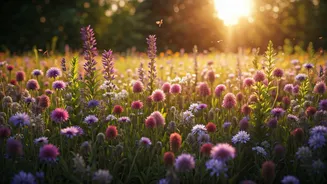
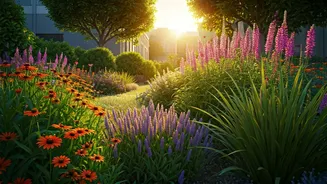
A great pollinator garden is a feast for their eyes and yours. The key is planning for continuous blooms from early spring to late fall. Different pollinators are active at different times, so providing a steady food supply is critical. Start the season with early bloomers like crocuses and lungwort. Move into a riot of mid-summer color with black-eyed Susans, lavender, and blazing star. Finish strong with autumn showstoppers like asters and goldenrod. This layered approach ensures your garden is always alive with color and activity, providing a beautiful, evolving landscape throughout the growing season.
It’s Not Just About Flowers
While flowers are the main event, a truly effective pollinator habitat provides more than just a meal. Think about the other essentials of life. A simple, shallow dish of water with pebbles or marbles for insects to land on creates a safe place to drink. Leave a small pile of branches or a section of bare ground for the 70% of native bees that nest in soil or tunnels. Many butterflies also use specific “host plants” to lay their eggs, such as milkweed for monarchs. By incorporating these elements, you’re not just opening a restaurant; you’re building a thriving community.
Start Small, See Big Results
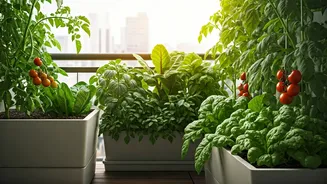
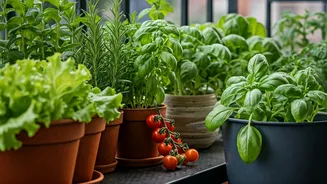
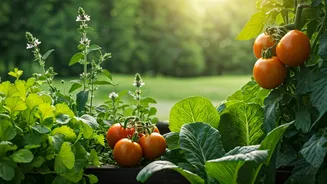
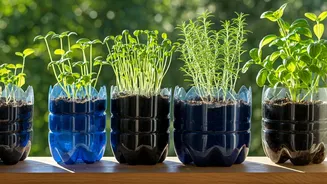
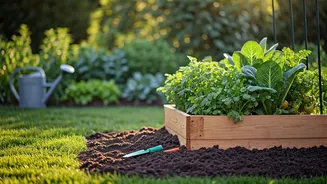
The idea of overhauling your entire yard can be intimidating. Don’t let it be. You don't need a huge plot of land to make a difference. A few pots on a balcony, a small designated corner of your lawn, or a window box packed with herbs like basil, mint, and oregano can become a pollinator hotspot. Start with three to five different types of native, pollen-rich plants. Observe who visits. The immediate reward of seeing a bumblebee buzz around a coneflower you planted is incredibly satisfying and often inspires gardeners to expand their pollinator-friendly space the following year.