




The Tyranny of the Frying Pan
Let’s be honest: the standard American breakfast can be a messy affair. Frying bacon sends grease splattering across the stovetop. Pancakes demand constant vigilance to prevent burning. Even a simple fried egg requires precise timing and a deft flip to avoid
a broken yolk tragedy. The reward is delicious, but the process is often loud, greasy, and leaves a sink full of pans to deal with. This is the “drama” of breakfast. It’s not just the cooking; it’s the sensory overload. The smoke alarm that becomes your sous chef. The lingering smell of oil that follows you for hours. The mental energy spent juggling multiple pans on different burners, all while trying to get yourself or others out the door. It’s a frantic, high-energy start to a day that probably demands all the energy you can get. We’ve been conditioned to think this is just what breakfast *is*, but it doesn’t have to be.
The Gentle Power of Steam
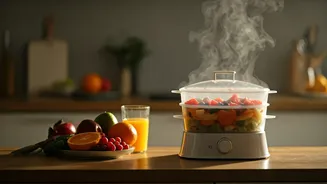
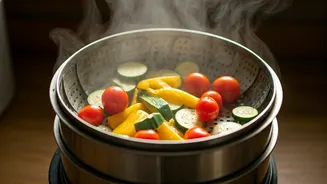
Now, imagine a different scene. A pot of water comes to a quiet simmer. You place your food in a basket above it, put on a lid, and walk away for a few minutes. There’s no sputtering oil, no risk of burning, no smoke. The only sound is the gentle hiss of steam doing its work. This is the promise of steamed food. Steaming is a cooking method built on indirect, moist heat. It’s fundamentally a gentler, more forgiving process. Food cooks evenly without the need for constant flipping or stirring. Because it’s all contained under a lid, there’s virtually no mess on your stovetop. Cleanup is often as simple as rinsing a single basket. This method immediately lowers the stress level of the entire operation. It transforms cooking from a frantic, hands-on task into a quiet, patient process, giving you back precious minutes and mental bandwidth in the morning.
Beyond a Side of Broccoli
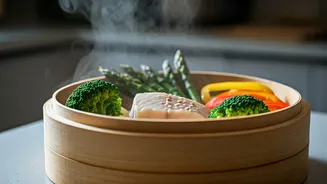
When Americans hear “steamed,” they often think of bland, overcooked vegetables served as a joyless side dish. It’s time to reclaim steaming for the delicious, versatile powerhouse that it is, especially for breakfast. The possibilities are far more exciting than you might think. Consider the egg. Instead of frying it in oil, crack one or two into a small, greased ramekin. Add a splash of water or milk, a pinch of salt, and steam it for 6-8 minutes. The result is a perfect, custardy puck of egg that’s silky, delicate, and miles away from a rubbery scramble. In Asia, steamed eggs (like Japanese *chawanmushi* or Chinese *zheng dan geng*) are a breakfast staple, often mixed with broth and savory toppings for a comforting, protein-rich start. You can also steam dumplings from frozen, gently reheat leftover rice or grains until they are fluffy and fresh, or even cook a piece of fish with some ginger and scallions for a surprisingly light and elegant breakfast.
Getting Started is Deceptively Simple
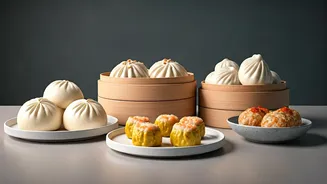
You don’t need a fancy multi-tiered bamboo steamer to get started (though they are wonderful). All you really need is a pot, a lid, and something to elevate the food above the simmering water. A simple collapsible metal steamer basket costs less than ten dollars and fits in most pots. In a pinch, a metal colander or even a few balls of aluminum foil holding up a heat-safe plate will work. To try it out, start with the steamed eggs. Grease a small bowl, crack in two eggs, whisk with a fork, add a pinch of salt and maybe a tablespoon of water, and cover the bowl with a small plate or foil. Place it in your steamer setup over an inch of simmering water, cover the pot, and let it cook for about 8-10 minutes, or until the center is just set. Slide it out, top with a drizzle of soy sauce, sesame oil, and some chopped green onions. It's a revelation—a complete, savory breakfast made in one small vessel with almost no cleanup.