




The Allure of a Monsoon Romance
For most American travelers, planning a trip to Asia involves carefully dodging the rainy season. But what if you leaned into it instead? The concept of "monsoon travel" is less about enduring bad weather and more about experiencing a destination at its
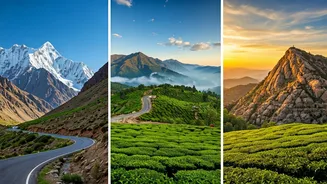
most dramatic and atmospheric. During the rains, landscapes are transformed, popular sites are blissfully uncrowded, and there’s an undeniable coziness to watching the world wash clean from a window-side seat. It’s a travel style that favors slow, immersive experiences over hurried sightseeing. For couples, it offers a perfect excuse for quiet intimacy, whether it’s sharing a cup of hot tea while mist rolls in or embarking on a thrilling drive through a transformed landscape. Two places capture this spirit perfectly, though in wildly different ways: the emerald hills of Munnar and the high-altitude desert of Spiti.
Munnar: A Lush, Green Embrace
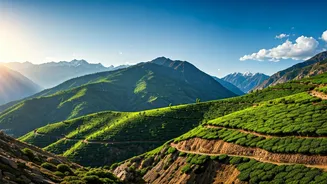
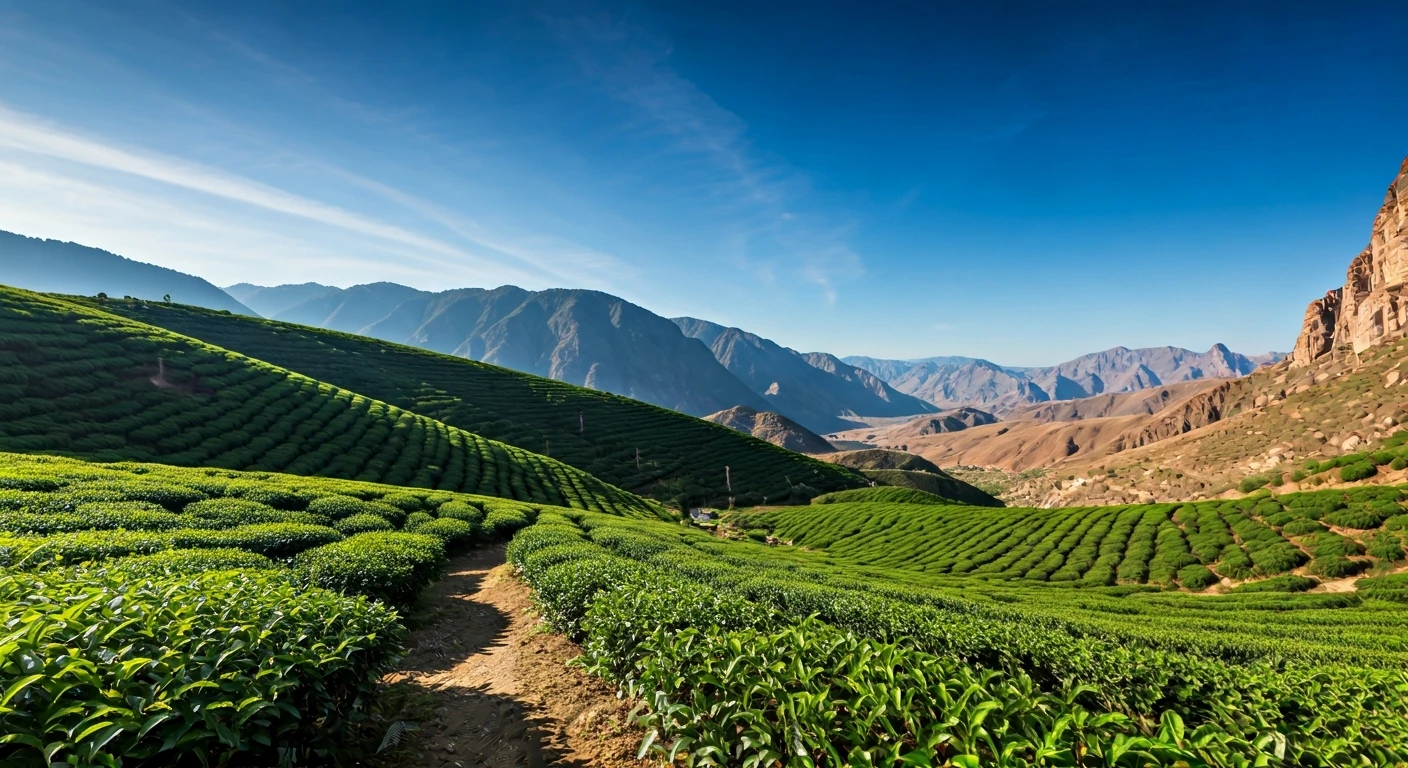
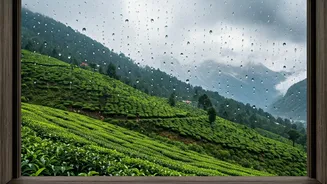
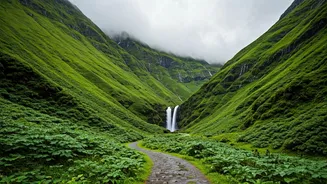
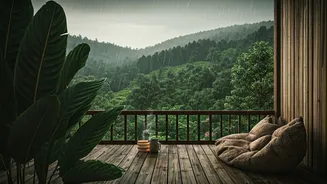
Imagine a landscape painted in fifty shades of green, where rolling hills covered in manicured tea estates disappear into a soft blanket of mist. This is Munnar, a hill station in India’s southwestern state of Kerala. During the monsoon (typically June to September), the region comes alive. The rain feeds countless waterfalls that thunder down hillsides, the tea leaves glisten with a fresh, dewy sheen, and the scent of wet earth and ginger fills the air. This isn’t a place for a packed itinerary. Instead, the joy is in the stillness. It’s about finding a boutique hotel with a panoramic view, waking up to clouds drifting past your balcony, and spending the day reading, talking, and sipping on some of the world's finest tea. When the rain pauses, you can venture out for a walk through the plantations or a drive to a scenic overlook, where the clouds part to reveal breathtaking vistas. Munnar is the quintessential cozy, romantic escape for couples who find beauty in the quiet and the calm.
Spiti Valley: A Stark and Spiritual Adventure
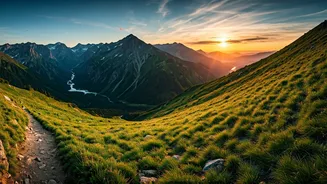
On the opposite end of the spectrum is Spiti Valley, a cold desert mountain valley nestled high in the Indian Himalayas. Located in a rain shadow area, Spiti doesn’t experience the heavy downpours of Munnar. Here, the “monsoon” season (July to September) is actually the best time to visit. The formidable winter snows have melted, opening up the precarious mountain passes that provide access. The weather is characterized by clear, sunny days punctuated by dramatic cloud formations and occasional light showers that leave the barren mountains looking sharp and vivid. This is a trip for the adventurous couple. The journey itself, often along some of the world’s most treacherous roads, is part of the experience. The reward is a landscape of surreal beauty: ancient Buddhist monasteries clinging to cliffsides, tiny villages dotting a moonscape of rock and dust, and a sky so clear you can see the Milky Way. It’s a spiritual, humbling experience that fosters a deep connection—both with the profound silence of the mountains and with each other.
Which Destination Is Right for You?
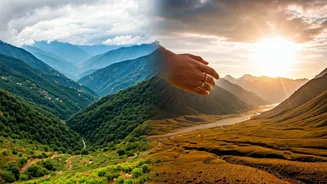
Choosing between Munnar and Spiti depends entirely on the kind of experience you’re seeking. Choose Munnar if your ideal rainy-day romance involves lush greenery, luxurious comfort, and relaxation. It’s perfect for couples who want to unwind, reconnect, and be pampered in a setting that feels like a living watercolor painting. The vibe is cozy, gentle, and easily accessible. Choose Spiti if your idea of romance is a shared adventure and a journey into the extraordinary. It’s for couples who are physically active, spiritually curious, and unfazed by basic amenities and challenging travel. The vibe is raw, epic, and profoundly rewarding.