




The Old Way: One Trip to Rule Them All
For decades, the vacation pattern for much of India's middle class was predictable and singular. It was the “LTA trip,” a journey taken once every year or two, often subsidized by a company's Leave Travel Allowance. These were marathon adventures, meticulously
planned months in advance, designed to squeeze every drop of value from a rare opportunity to escape daily life. The goal was to cover as much ground as possible, whether it was a pilgrimage to religious sites, a cross-country train journey to visit relatives, or a packed tour of a famous region like Rajasthan or Kerala. Travel was an event, a major logistical and financial undertaking. The idea of taking multiple leisure trips in a single year felt like an extravagance reserved for the ultra-wealthy. This model was a product of its time: a cautious economy, limited infrastructure, and a work culture that prized tenure over time off.
The Rise of the Weekend Warrior
Today, that model is being enthusiastically dismantled. A new travel habit has taken root: the frequent, short, and often spontaneous mini-trip. Instead of one 10-day vacation, a growing number of Indians are opting for four or five three-day weekend getaways. This shift is powered by a demographic wave of millennials and Gen Z professionals in dual-income households who have more disposable income and a fundamentally different outlook on life. Influenced by global trends and a post-pandemic carpe diem mindset, they prioritize experiences and mental well-being over long-term savings. The travel decision-making process has also been compressed from months to days, or even hours. A long weekend is announced, a quick search on a travel app reveals a new boutique hotel or homestay a few hours away, and the trip is booked. This isn't just about seeing new places; it’s a form of routine self-care.
Paved Roads and High-Speed Ambitions
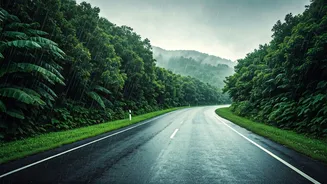
This travel revolution wouldn't be possible without a massive, concrete-and-steel foundation. India has been undergoing an infrastructure blitz. Brand new, multi-lane expressways have slashed travel times between major cities and once-remote tourist spots. A drive that used to be a punishing eight-hour ordeal is now a smooth three-hour cruise, making a weekend trip from Delhi to the Himalayan foothills or from Mumbai to the vineyards of Nashik an easy decision. Complementing the road network is the expansion of the railways, particularly the introduction of semi-high-speed Vande Bharat Express trains. These modern, comfortable trains connect cities in under six hours, turning regional exploration into a viable weekend activity. The proliferation of budget airlines flying to smaller, regional airports has also put previously inaccessible destinations within quick and affordable reach.
Work, Stay, and Play
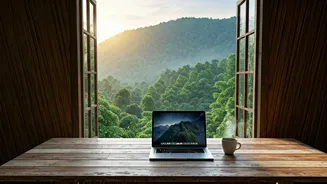
The pandemic’s most enduring legacy on Indian work culture might be the normalization of remote and hybrid arrangements. This newfound flexibility has been a massive catalyst for micro-trips. The concept of the “workation” or “flexi-cation” has taken hold, where professionals relocate to a scenic location for a week or two, working during the day and exploring in their off-hours. A long weekend is no longer just Saturday and Sunday; it might start on Thursday afternoon and end on Tuesday morning. This blurs the line between work and leisure, allowing for more frequent escapes without dipping into a limited pool of vacation days. Digital nomads, once a niche group of freelancers, are now a mainstream demographic of salaried employees from tech, marketing, and creative industries who are choosing to log in from the mountains or the beach.
New Travelers, New Destinations
This trend has reshaped the hospitality industry itself. While five-star chains are still popular, the real growth is in unique, experience-driven accommodations. Boutique homestays, eco-lodges, farm stays, and design-forward guesthouses are booming. These smaller establishments cater directly to the new-age traveler who seeks authenticity, local culture, and an Instagram-worthy aesthetic over the standardized luxury of a large hotel. This has created a virtuous cycle: as more travelers seek out offbeat locations, more entrepreneurs are opening unique properties in those areas, which in turn puts these emerging destinations on the map. The focus has shifted from seeing famous monuments to having a memorable experience, whether it's a pottery class in a quiet village or a food tour in a lesser-known city.