

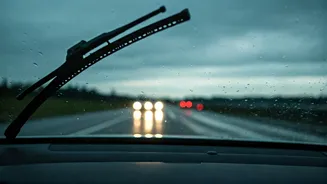


1. Prioritize Visibility: Wipers and Lights
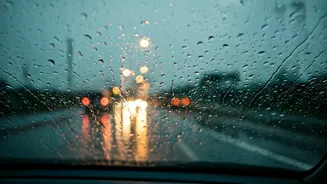
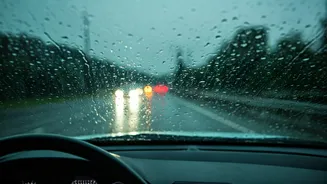
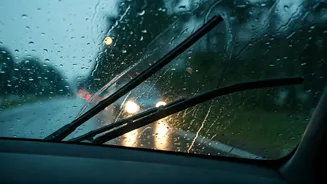
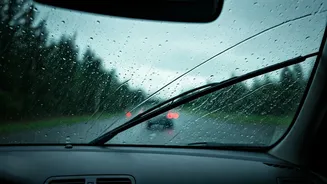
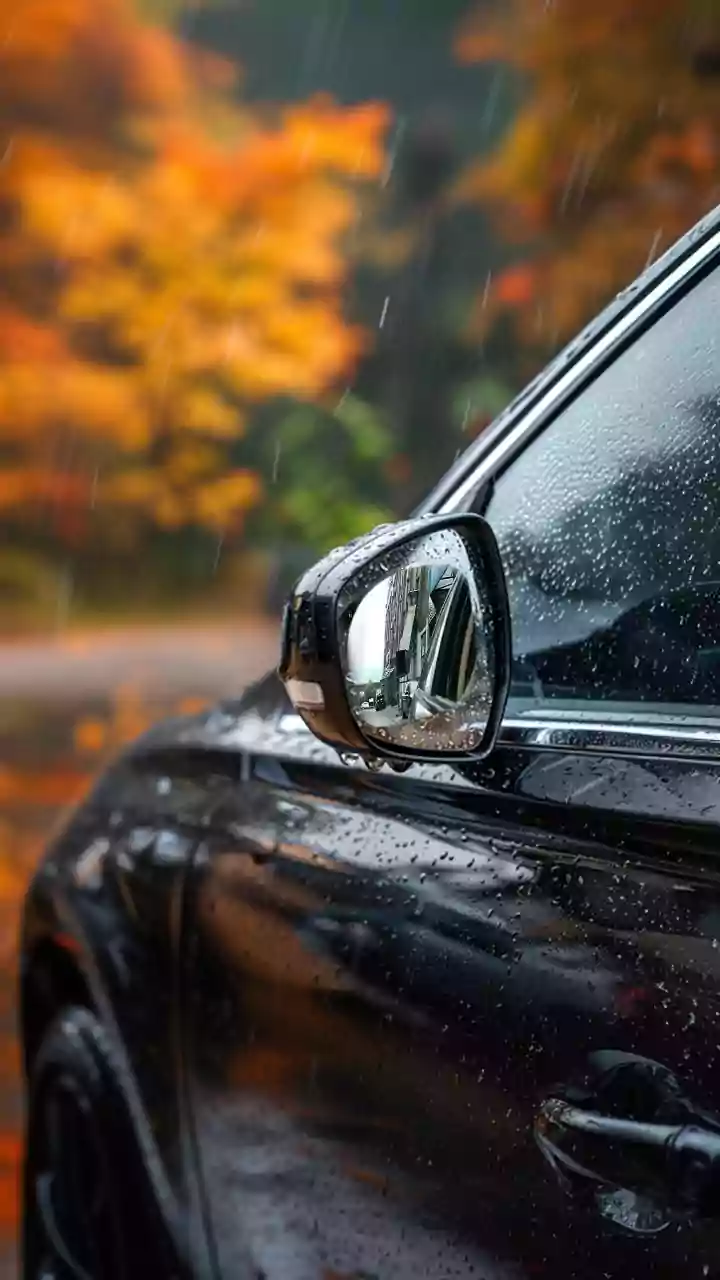
Your first line of defense in a downpour is being able to see and be seen. Don't wait for the first storm to discover your wiper blades are cracked, brittle, or smearing water across your windshield instead of clearing it. Replace them at the start of the season.
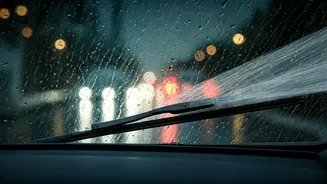
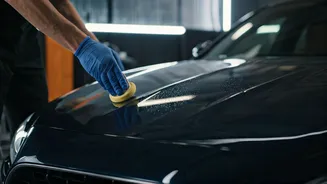
For about $20-40 and a few minutes of your time, you'll have a clear view. While you're at it, top off your washer fluid. Consider applying a hydrophobic glass treatment like Rain-X to your windshield; it causes water to bead up and roll right off, drastically improving visibility. Finally, walk around your car and check all exterior lights: headlights, taillights, and especially your brake lights and turn signals. In the low-light conditions of a storm, they are critical for communicating your intentions to other drivers.
2. Get a Grip: Check Your Tires
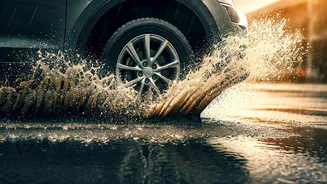
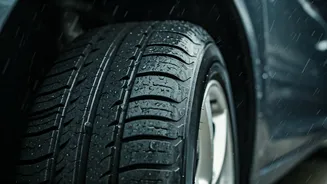
Hydroplaning is one of the biggest dangers of driving in the rain. It occurs when a layer of water builds between your tires and the road surface, causing a loss of traction and control. Your tires' tread is designed to channel water away, but it can't do its job if it's worn down. The classic trick works: insert a penny into the tread with Lincoln's head upside down. If you can see all of Honest Abe's head, your treads are too shallow (below 2/32 of an inch) and it's time for new tires. Also, check your tire pressure. Underinflated tires can't grip the road properly and are more susceptible to hydroplaning. Your car’s recommended pressure is listed on a sticker inside the driver’s door jamb. Properly inflated tires with good tread are your best defense against sliding out of control on a wet road.
3. Inspect Your Brakes
Your brakes work overtime in wet weather. It takes longer to stop on a slick road, and you don't want to find out your brake pads are worn thin during an emergency stop. If you hear squealing, grinding, or feel a pulsation in the pedal when you brake, get them inspected by a professional immediately. Even if you don't notice any obvious signs, it’s wise to have a mechanic check your brake fluid and pad thickness before the monsoon season gets into full swing. Healthy brakes provide the confidence you need to navigate roads where sudden stops are common due to poor visibility or debris.
4. Seal It Up: Hunt for Leaks
A torrential downpour can expose weaknesses in your car’s seals. A small, undiscovered leak can lead to a musty interior, foggy windows, mildew, and even costly damage to sensitive electronics under your dash or seats. Take a few minutes to check the rubber seals around your doors, windows, and sunroof. Look for any that are cracked, brittle, or peeling away. After the first heavy rain, do a quick interior check. Feel the carpets (especially under the floor mats) and check the headliner for any damp spots. Catching a leak early can save you from a much bigger problem down the line. A waterlogged interior is not only unpleasant but can significantly impact your car's resale value.
5. Plan for the Worst: Know When to Stay Put
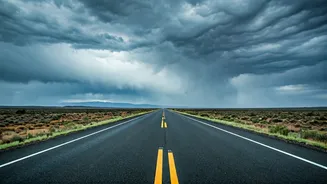
The most important monsoon tip isn't about mechanics—it's about judgment. Flash floods are a hallmark of the North American Monsoon, and they are deceptively powerful. It only takes about six inches of moving water to knock you off your feet, and just a foot of water can sweep a vehicle away. The cardinal rule is simple: Turn Around, Don't Drown. Never attempt to drive through a flooded roadway, even if it looks shallow. The road underneath could be washed out. Prepare a small emergency kit to keep in your car during the season, including a phone charger, a flashlight, water, and some non-perishable snacks. If you get caught in a severe storm, the safest move is often to pull over in a high, safe location and wait it out.