
The Power to Be a 9-to-5 Office
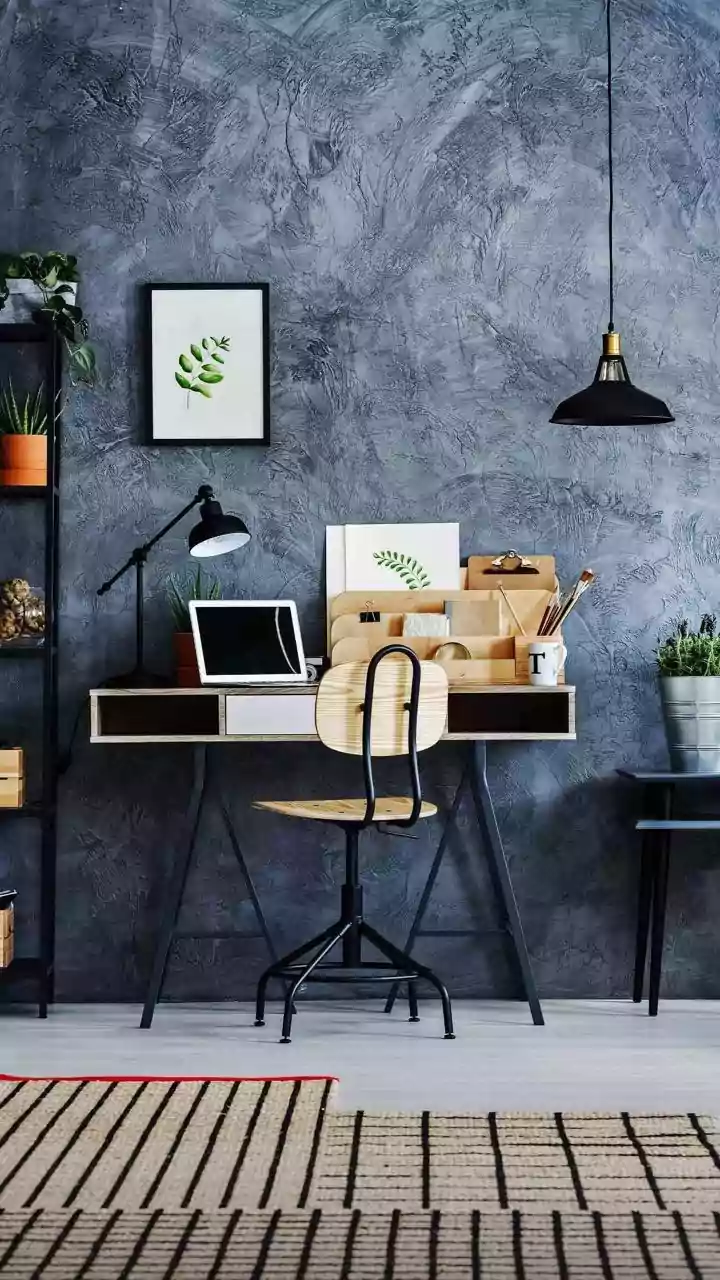
The biggest shift in home life is undeniably the rise of remote work. The problem? No one wants to stare at their work computer during movie night or eat dinner next to a pile of reports. Flexible design grants the power of a disappearing office. This
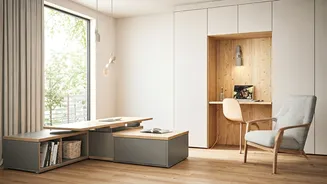
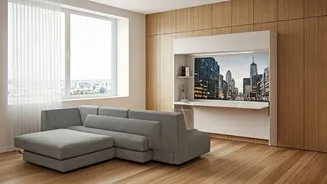
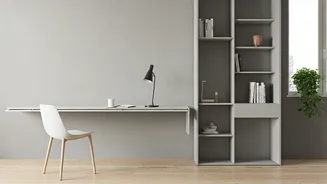
isn't about perching a laptop on the kitchen island. We're talking about integrated 'Murphy desks' that fold seamlessly into a wall unit, pocket offices tucked into closets with sliding barn doors, and cleverly designed nooks that feel like a dedicated workspace during the day but vanish from sight when you clock out. This separation of work and life, even within the same 800 square feet, preserves sanity and helps prevent burnout by creating a psychological boundary that a static open-plan layout simply can't offer.
The Power of Instant Hospitality
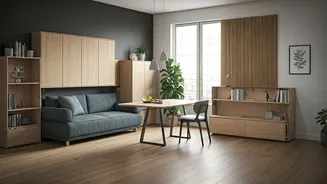
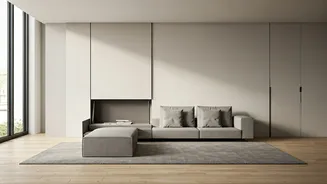
Having guests stay over in a one-bedroom apartment used to mean one thing: an uncomfortable air mattress or a lumpy pull-out couch that permanently ruins the living room's aesthetic. Flexible spaces offer a far more elegant solution. Modern, high-quality Murphy beds now come integrated into sophisticated wall systems that can include shelving, a media center, or even a desk. With one smooth motion, a home office or living room transforms into a comfortable and private guest room. Some newer buildings are even experimenting with sliding walls or partitions that can section off a portion of a larger living area, creating a temporary bedroom complete with its own sense of privacy—a superpower for anyone who loves to host but is short on square footage.
The Power to Conquer Clutter
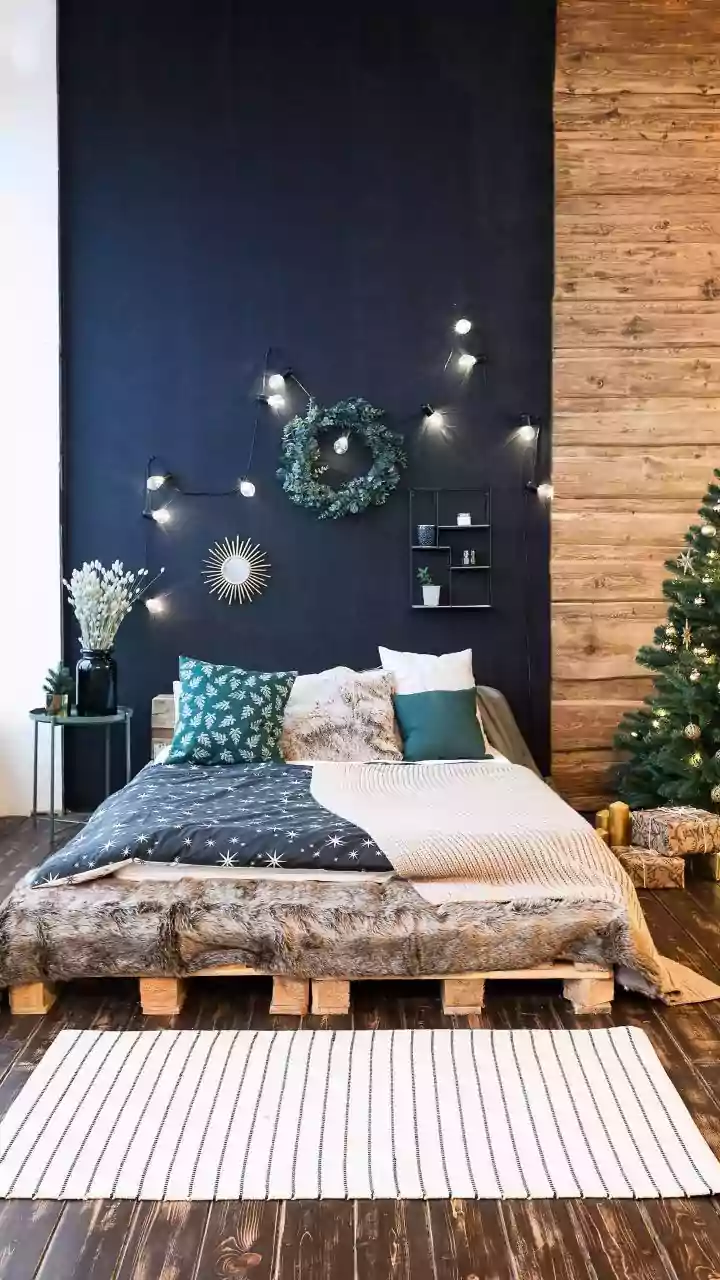
In a small space, clutter is the enemy. It makes a home feel cramped, chaotic, and stressful. The superpower of flexible design lies in its obsession with smart, adaptable storage. Think beyond basic closets. Modern flexible apartments feature floor-to-ceiling modular shelving that can be reconfigured for books, vinyl records, or workout equipment. They have kitchen islands on wheels that contain hidden drawers and can be moved to create more floor space. Under-stair storage becomes a pull-out pantry, and platforms for beds conceal massive drawers for out-of-season clothing. By building storage into the very architecture of the space, and making it adaptable, these designs allow residents to own things without being owned by them.
The Power of the Multi-Purpose Zone
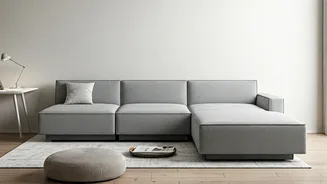
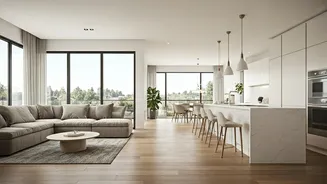
Why should a room only have one job? The most forward-thinking flexible designs reject this idea entirely. One large, open room can be given multiple identities through clever design cues. A dining table might fold down from a wall, transforming a yoga and meditation space into an elegant spot for a dinner party in minutes. A projector screen can descend from the ceiling in front of a bookcase, turning a studious library into a home theater. Movable partitions, modular furniture that can be re-arranged from a sectional into separate chairs, and layered, dimmable lighting all work together to allow a single space to support a variety of activities without feeling compromised or generic.
The Power to Future-Proof Your Life
Perhaps the greatest superpower of all is adaptability. Life changes. A new hobby is picked up, a partner moves in, a side hustle takes off, a baby arrives. In a traditional apartment, these changes often necessitate a costly and stressful move. A flexible apartment, however, is designed to evolve with you. The space that was once a home office can be reconfigured into a nursery. The open-plan living area can be partitioned to create a dedicated zone for a new passion project. This ability to morph and adapt to life's shifting demands provides a sense of stability and longevity. It turns an apartment from a temporary stop-gap into a genuine, long-term home, saving money, stress, and the hassle of packing boxes.