




What Exactly Is Kokedama?
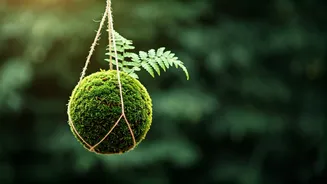
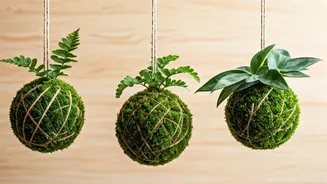
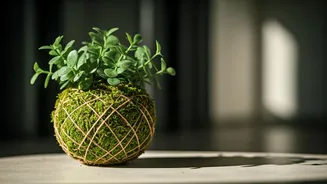
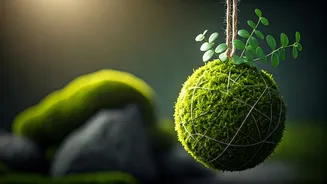
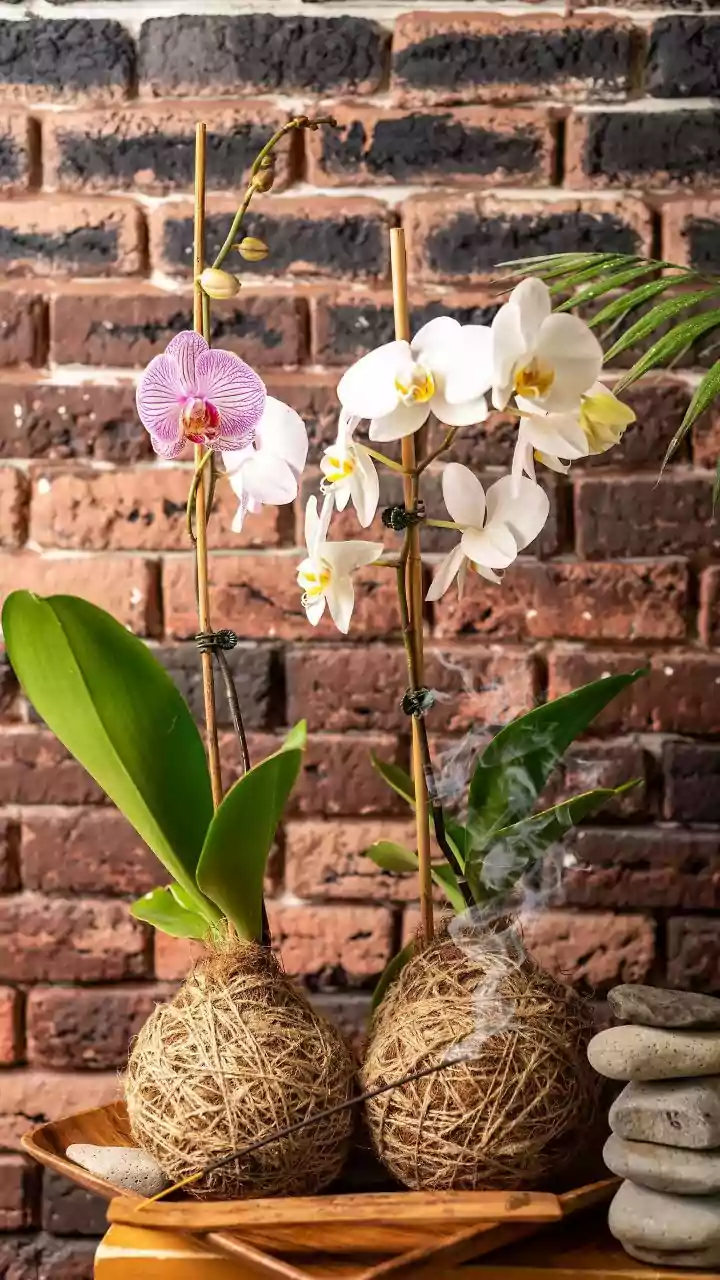
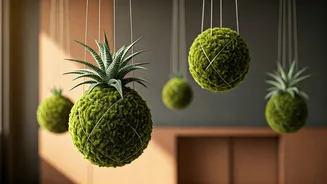
Kokedama, which translates to “moss ball” (koke = moss, dama = ball), is a style of Japanese bonsai that has captured the attention of plant lovers worldwide. Instead of a pot, the plant’s root system is encased in a ball of specialized soil, wrapped
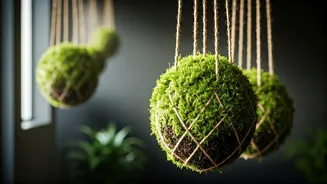
in sheet moss, and bound with string. The result is a self-contained, living sculpture that can be placed on a decorative dish or, more strikingly, hung in the air. This practice is deeply connected to the Japanese aesthetic of wabi-sabi, which finds beauty in imperfection and appreciates the natural cycle of growth and decay. Your finished Kokedama won’t be a perfect sphere, and that’s the point. It’s a small, breathing piece of nature.
The Mindful, Therapeutic Process
The headline’s promise of a “therapeutic” experience isn’t just marketing fluff. The process of making Kokedama is inherently meditative. It requires you to slow down and focus on a tangible, sensory task. You’ll feel the cool, damp soil in your hands as you mold it, smell the earthy scent of the moss, and concentrate on the rhythmic wrapping of the twine. This act of creation connects you to natural materials and the plant itself, offering a quiet rebellion against the digital noise of modern life. It’s less about a perfect outcome and more about the calming journey of bringing something beautiful and alive into existence with your own two hands.
Gather Your Materials
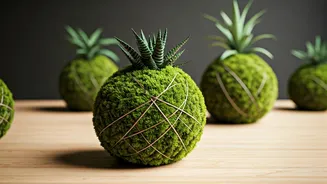
The magic of Kokedama starts with the right ingredients. Don't be intimidated; these are easily found at most garden centers or online. You will need: * **A small plant:** Ferns, pothos, philodendrons, and spider plants are great, forgiving choices for beginners. Avoid succulents, which don't like the constant moisture. * **Soil mix:** A 70/30 combination of peat moss (for moisture retention) and bonsai soil (for drainage and structure) works perfectly. Some people use akadama clay, a granular Japanese soil, for better form. * **Sheet moss:** You can use either preserved or fresh sheet moss to wrap the ball. * **Twine or string:** Natural jute, cotton twine, or synthetic fishing line all work well for binding the moss. * **A bowl for mixing, water, and scissors.**
Step 1: Prepare the Plant and Soil
Start by gently removing your chosen plant from its nursery pot. Carefully massage the roots to loosen them and brush away as much of the old, loose soil as you can without damaging the root system. Next, in your mixing bowl, combine the peat moss and bonsai soil. Slowly add water and mix with your hands until the soil has the consistency of thick clay and can be easily packed into a ball without crumbling. This is the fun, messy part!
Step 2: Form the Soil Ball
Take a generous handful of your soil mixture and form a ball. Split it in half and gently press the plant’s roots between the two halves. Carefully mold the soil around the roots, adding more mixture as needed, until you have a firm, compact sphere that’s roughly the size of a grapefruit. Squeeze out any excess water. The ball should feel solid and stable around the plant’s base.
Step 3: Wrap in Moss and Twine
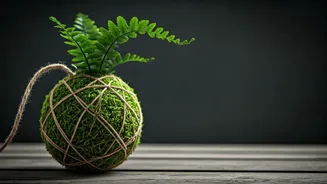
Lay your sheets of moss out, green side down. If using dried moss, briefly soak it in water to make it pliable. Place your soil ball in the center of the moss and carefully wrap the moss sheets around it, pressing firmly so the moss adheres to the soil. Now, take your twine. Holding one end against the ball, begin wrapping it around the moss in all directions—horizontally, vertically, and diagonally—to secure everything in place. Once it feels secure, tie a tight knot and trim the excess. If you plan to hang your Kokedama, leave a long piece of twine to create a hanging loop.
Caring for Your Living Art
Your Kokedama is a living thing, and its care is simple. Instead of traditional watering, you’ll soak it. About once a week (or whenever the ball feels light and dry), submerge the entire moss ball in a bowl of room-temperature water for 10-20 minutes, or until it’s fully saturated and stops releasing air bubbles. Let it drip in a sink before returning it to its spot. Kokedama thrive in bright, indirect light, so a spot near a window but out of the direct sun is ideal. Mist the moss occasionally to keep it looking fresh and green.