



Meet the 'Queen of Hill Stations'
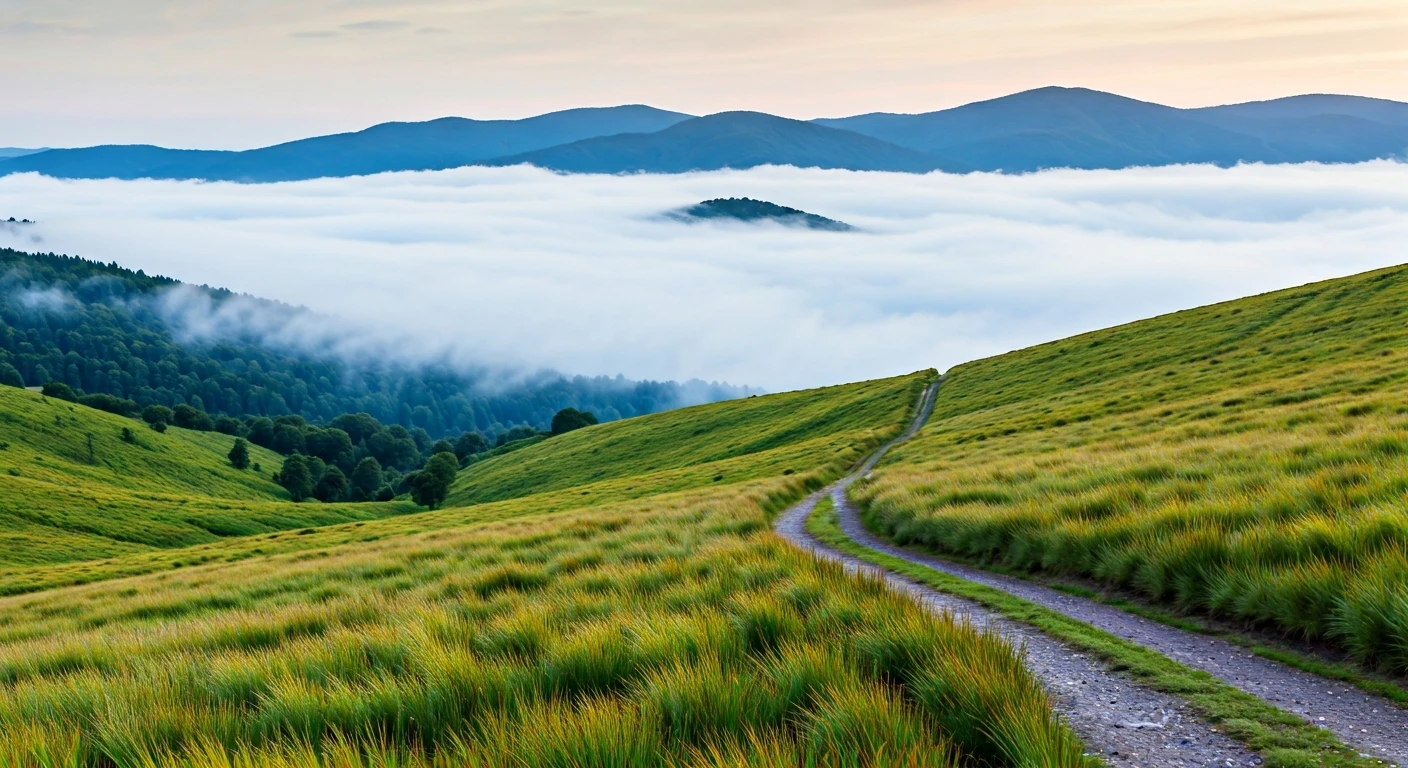
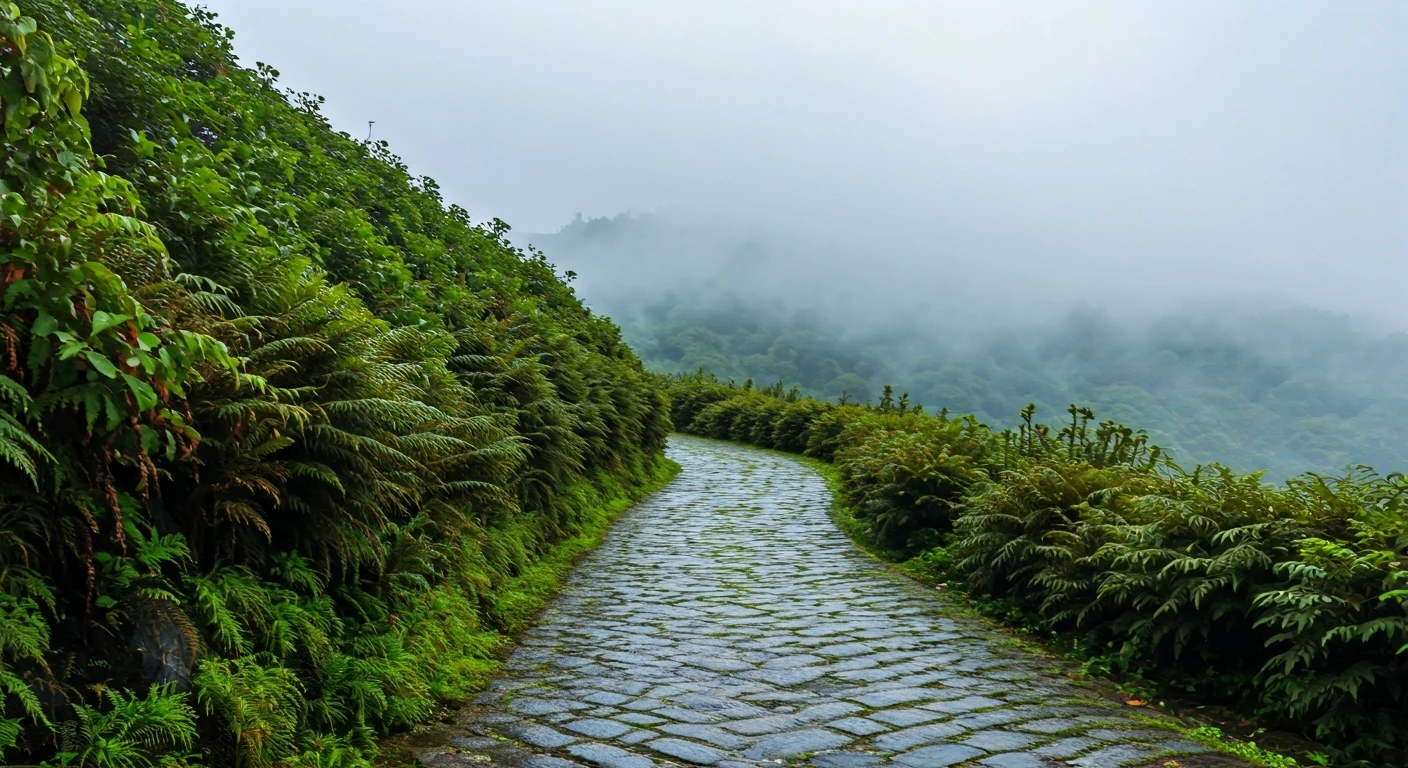
For most Americans, the names Ooty and Kodaikanal probably don't ring a bell. But in India, they're legendary. Tucked away in the Nilgiri and Palani Hills of the southern state of Tamil Nadu, these are what are known as "hill stations." Think of them
as the 19th-century equivalent of a Hamptons getaway, but for British colonial administrators desperate to escape the blistering, triple-digit heat of the Indian plains. Founded by the British Raj, towns like Ooty—the “Queen of Hill Stations”—were meticulously designed to feel like a slice of England. With their stone cottages, botanical gardens, placid lakes, and cool, misty air, they offered a physical and psychological respite from the tropical climate. For over a century, their primary function was to be cool when the rest of the country was hot. That identity is so core to their existence that it makes what happened recently all the more remarkable.
When Spring Felt Like Deep Winter
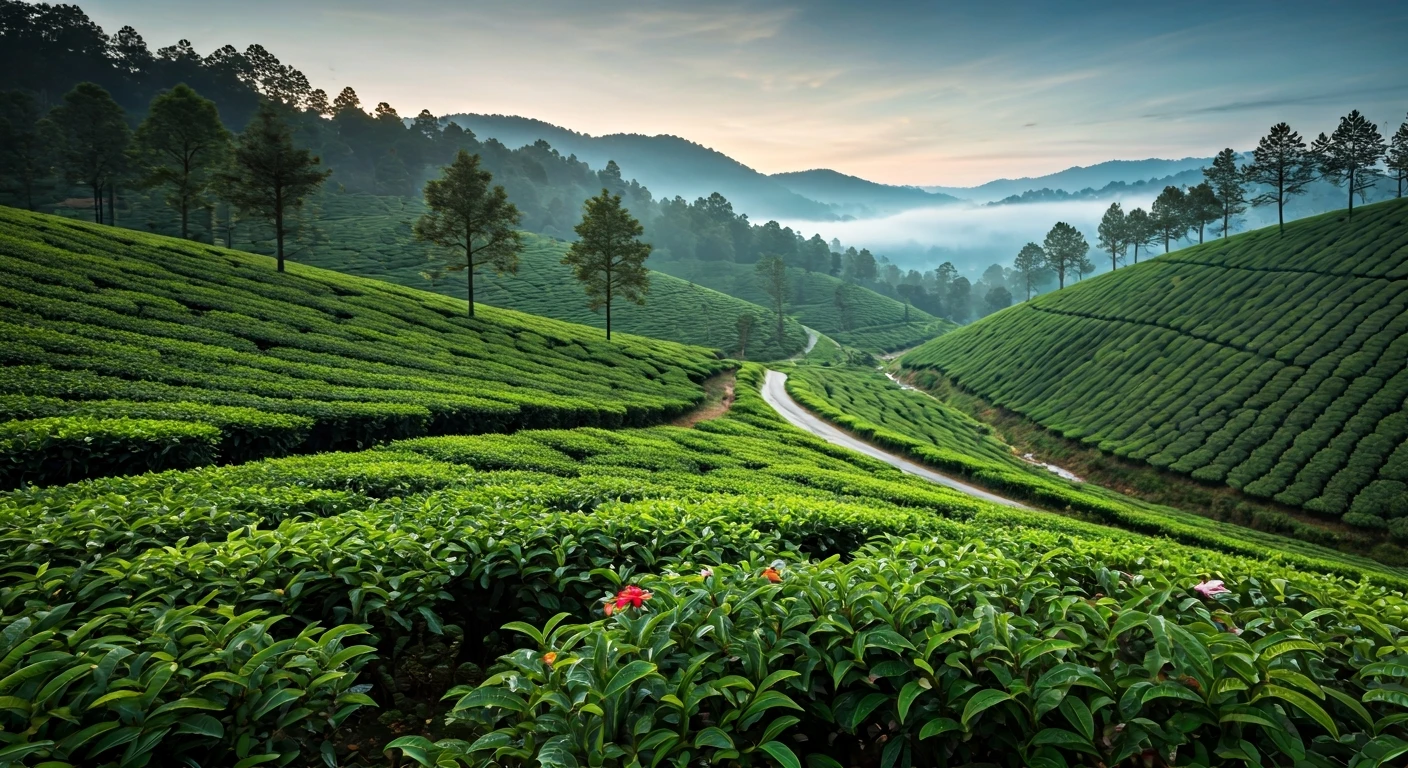
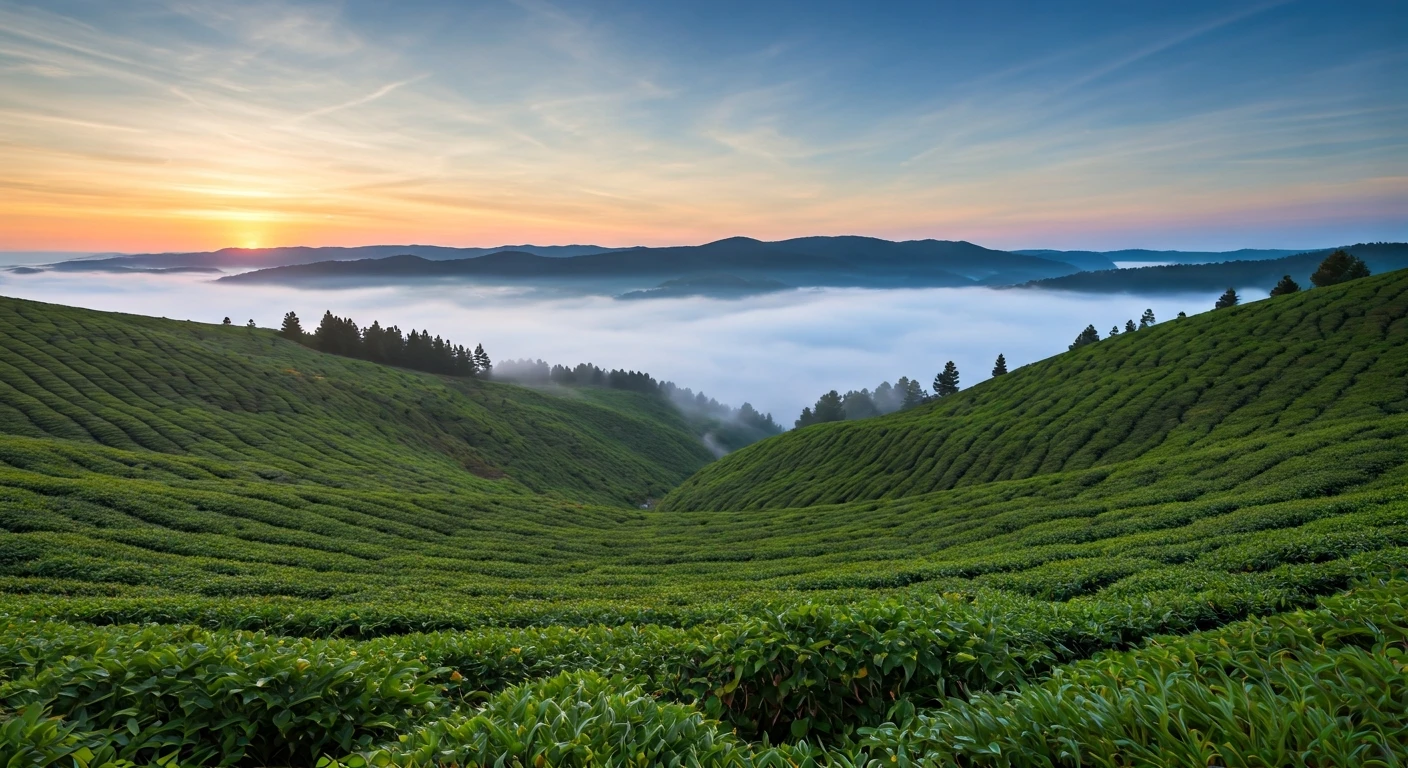
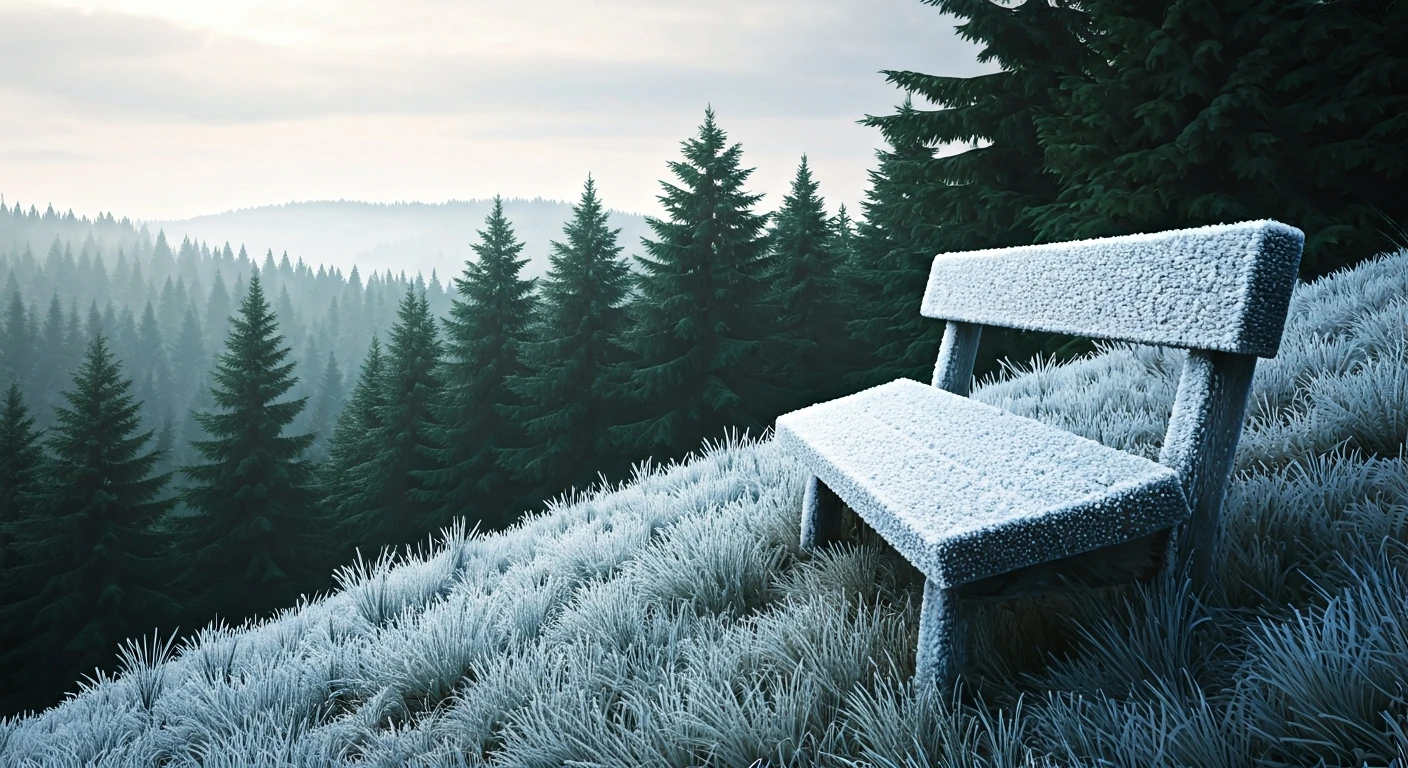
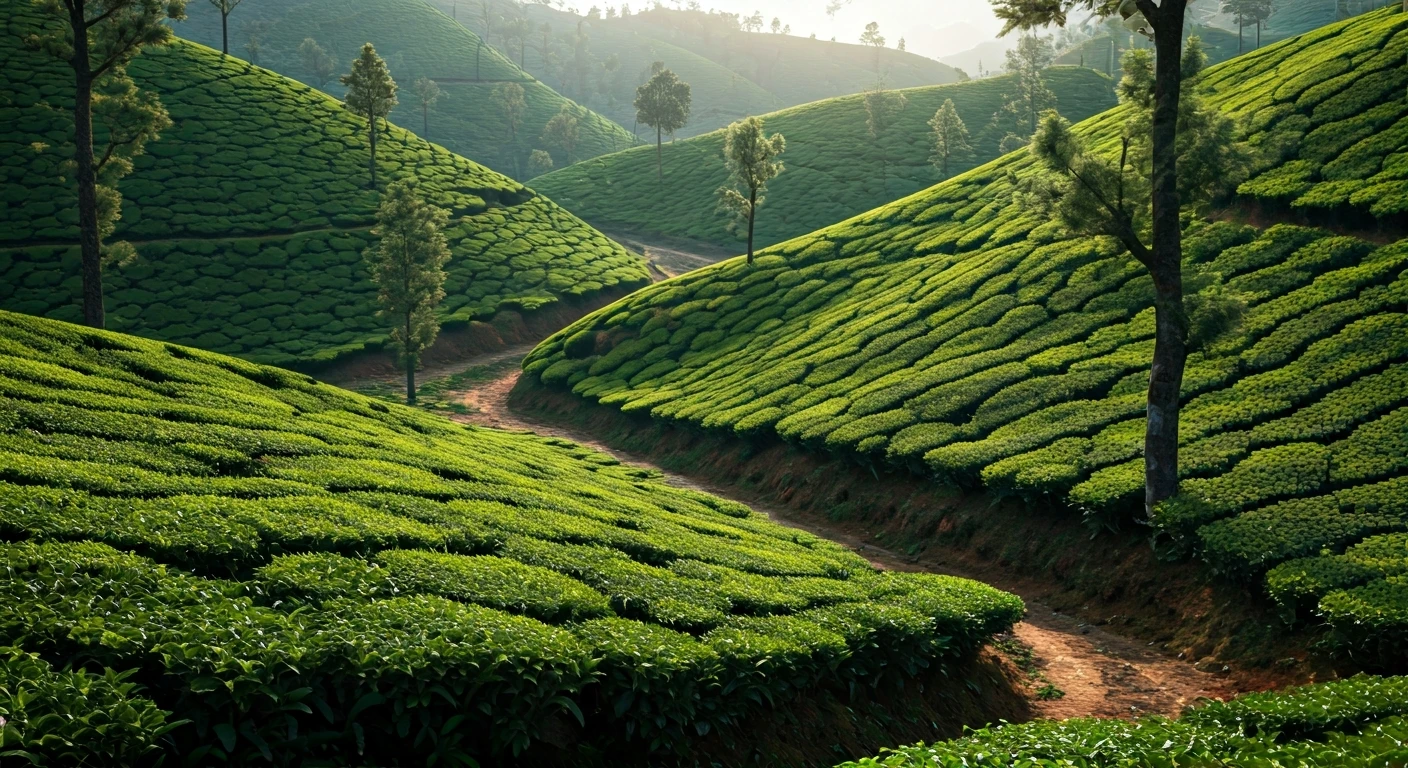
In late April and early May 2024, while cities like Delhi and Kolkata were reporting temperatures soaring past 110°F (43°C), a bizarre weather pattern descended on Ooty and its sister town, Kodaikanal. Tourists who had flocked there to escape the heat found themselves in the middle of a sudden, unseasonable cold snap. Temperatures plummeted to near-freezing, hovering around 34°F (1°C) in the mornings. Lawns, golf courses, and the iconic tea plantations were blanketed in a thick layer of white frost, a sight typically reserved for the deepest winter months of December and January, not the cusp of summer. Videos circulated online showing residents and visitors bundled in heavy winter coats, their breath visible in the chilly air. Some areas even experienced surprise hailstorms, adding to the surreal, wintry scene. For a region whose entire brand is built on pleasant coolness, this was an extreme and startling twist.
A Tale of Two Climates
The irony was not lost on anyone in India. The story of Ooty’s frost made national news precisely because of the stark contrast. At the very same moment, hundreds of millions of people across North, East, and Central India were enduring a relentless, life-threatening heatwave. Schools were closed, public health alerts were issued, and the country’s power grid was strained to its absolute limit. The heat was so severe and widespread that it dominated international headlines about the region. This split-screen reality—one part of the country literally freezing while the other was figuratively melting—became a powerful illustration of meteorological extremes. Local meteorologists attributed the cold snap to a combination of factors, including clear night skies allowing heat to rapidly escape and specific atmospheric conditions. But for the average person, it simply looked like a climate system gone haywire.
A Strange Echo of History
In a way, this event was a dramatic echo of the very reason these towns exist. The British officials who built Ooty didn't just want a slightly cooler spot; they sought a complete thermal opposite to the oppressive heat of their colonial duties. This year, Ooty and Kodaikanal once again served that exact purpose, but in a more extreme and unpredictable way than ever before. While the cold snap disrupted daily life for some locals, it also triggered a tourism boom, with last-minute travelers rerouting their plans to the only places in the country that offered a genuine escape from the heat. But it also serves as a potent symbol of our new climate reality. The predictable, seasonal weather patterns that societies have built themselves around are becoming less reliable. The story of Ooty and Kodaikanal is no longer just about charming colonial history and scenic vistas; it's now part of a global narrative about weather volatility, where 'unprecedented' is becoming the new normal.