







The Familiar Fizz: Kombucha’s Reign
Walk into any supermarket, and you’ll find an entire refrigerated section dedicated to it: kombucha. This fizzy, slightly sweet, slightly vinegary fermented tea has become a billion-dollar industry in the U.S., championed as a gut-healthy alternative
to sugary sodas. The magic happens thanks to a SCOBY (Symbiotic Culture of Bacteria and Yeast), a gelatinous disc that transforms sweetened tea into a probiotic-rich elixir. Its appeal is broad: it offers a complex flavor profile, a satisfying effervescence, and a wellness halo that promises improved digestion and a happy microbiome. From ginger-lemon to lavender-chamomile, its flavor possibilities are nearly endless, making it an accessible entry point for anyone curious about fermented foods. Kombucha set the stage, creating a mainstream American appetite for tangy, live-cultured drinks.
The Creamy Contender: Dahi-Based Drinks
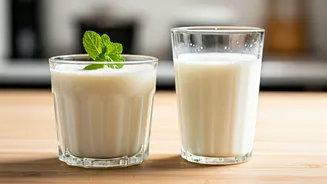
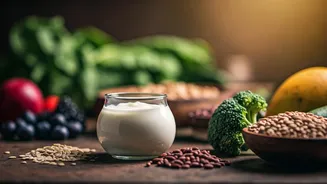
While new to many Americans, Dahi is a cornerstone of Indian cuisine. It’s a traditional yogurt, but its role as a beverage is where it challenges kombucha. Think lassi and chaas. Lassi, the more famous of the two, is a creamy, smoothie-like drink made from blending Dahi with water, fruit (like mango), or spices. Chaas (or spiced buttermilk) is its thinner, saltier cousin, often seasoned with cumin, ginger, and cilantro, making it an incredibly refreshing digestif. Unlike kombucha’s tea base, Dahi drinks are dairy-based, offering a completely different texture and flavor profile—tangy, rich, and cooling rather than acidic and bubbly. The fermentation comes from lactic acid bacteria, providing a different set of probiotic strains. For those who find kombucha’s vinegar-like bite too aggressive, a smooth, savory chaas or a sweet mango lassi could be a welcome, gut-friendly alternative.
The Salty Upstart: Gajar Ki Kanji
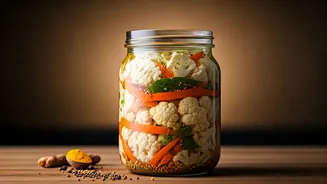
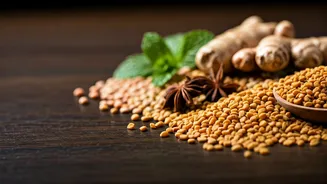
Now for the wild card: Kanji. This North Indian fermented drink is a world away from both kombucha and lassi. Traditionally made during the spring festival of Holi, its most common form, Gajar ki Kanji, uses black carrots, beetroot, water, salt, and ground mustard seeds. The mixture is left to ferment in the sun for several days, developing a unique flavor that is deeply savory, sour, salty, and earthy with a pungent kick from the mustard. There’s no SCOBY and no dairy; the fermentation is wild, relying on the natural yeasts and bacteria present on the vegetables. The result is a stunning, deep magenta liquid that’s both a flavorful beverage and a potent probiotic tonic. It’s a bold, acquired taste—more like a briny vegetable kvass than a sweet tea. For the adventurous palate seeking something truly different in the fermented space, Kanji is an exciting frontier.
How They Stack Up
So, how do these challengers really compare to the champ? On flavor, it’s a clear split. Kombucha is effervescent and tea-forward with a vinegary tang. Dahi-based drinks are creamy, smooth, and yogurt-tart. Kanji is salty, sour, and unapologetically funky. From a health perspective, all three deliver probiotics, but from different sources. Kombucha provides benefits from tea’s antioxidants alongside fermentation. Dahi offers dairy’s calcium and protein with different bacterial strains. Kanji delivers nutrients from its root vegetables. When it comes to accessibility, kombucha is still the clear winner, available on almost every corner. Lassi is easily found in Indian restaurants and increasingly in grocery stores, but Kanji remains a specialty item, more often made at home by enthusiasts than bought off a shelf. This makes it the ultimate 'if you know, you know' wellness drink of the moment.