





The Probiotic Powerhouse: Chaas
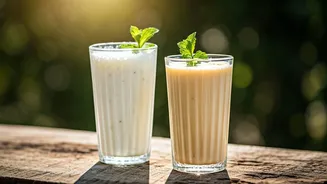
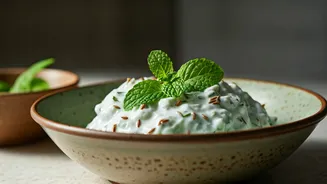
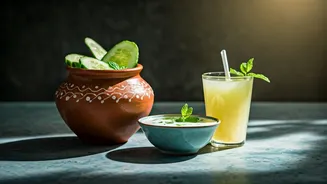
Forget sugary sodas. The original summer thirst-quencher in many parts of India is *chaas* (or Chaas). This savory, spiced buttermilk is a miracle of simple science. It starts with yogurt, thinned with water and churned to create a light, refreshing drink.
The magic comes from the seasonings: a pinch of salt replenishes what you lose through sweat, while roasted cumin and fresh mint aid digestion, which can get sluggish in the heat. Unlike heavy milkshakes that can make you feel lethargic, chaas is packed with probiotics and electrolytes, actively helping your body rehydrate and cool down from the inside. It’s the kind of smart, functional beverage that modern wellness brands spend millions trying to invent, yet it’s been a staple on Indian tables for centuries.
The Humble Superfood: Sattu
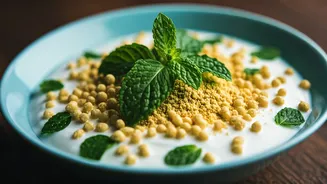
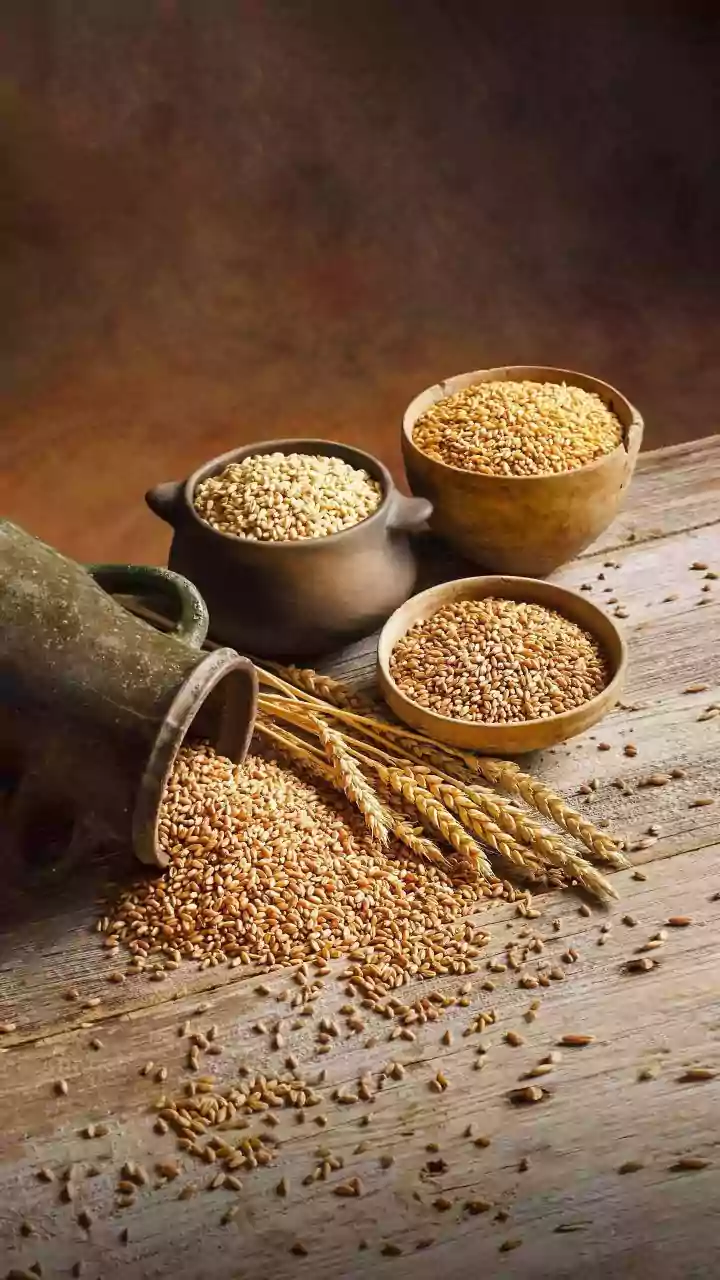
In the sweltering plains of Northern and Eastern India, workers have long relied on a secret weapon against the sun: *sattu*. This humble powder, made from roasted grams (like chickpeas), is a nutritional powerhouse. It’s packed with protein, fiber, and minerals, making it far more than just a drink. Mixed with chilled water, a pinch of black salt, and a squeeze of lemon or jaggery, it becomes *sattu sharbat*—a rustic, nutrient-dense cooler that provides both hydration and sustained energy. Its high fiber content slows digestion, preventing the energy crashes associated with sugary drinks. In a world obsessed with protein powders and meal replacements, sattu is the original, all-natural version that keeps you cool, full, and energized without any artificial additives.
The Electrolyte Elixir: Aam Panna
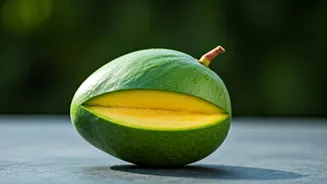
Before Gatorade cornered the market on electrolytes, there was *aam panna*. This tangy, sweet-and-sour drink is made from the pulp of boiled raw green mangoes—a fruit only available for a short window before the punishing summer monsoon. This isn’t a coincidence; nature provides the antidote right when it’s needed most. Raw mangoes are rich in pectin, vitamins, and minerals like potassium and sodium, which are crucial for preventing heat stroke and dehydration. The mangoes are boiled, pulped, and mixed with sugar, black salt, and spices like cumin and fennel. The resulting concentrate can be stored and mixed with cold water for an instant, invigorating drink that tastes like the very essence of summer defiance. It's a seasonal treat that doubles as a powerful oral rehydration solution.
The Ultimate Cool-Down Condiment: Raita
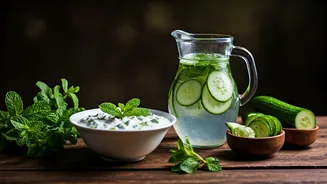
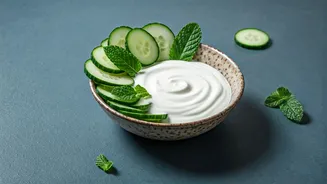
Not all cooling comes in a glass. Sometimes it’s on your plate, balancing the heat of a spicy curry. Enter *raita*, a yogurt-based side dish that is a masterclass in thermodynamic eating. The base is cooling yogurt, a natural coolant. But the key is what’s mixed in: typically, water-rich vegetables like grated cucumber or chopped onion and tomato. Cucumber is famously hydrating and cooling. Mint, another common addition, has natural cooling properties thanks to its menthol content. Raita doesn't just feel cool in your mouth; it provides a cooling counterbalance to the heat-generating spices in a main dish, creating a perfectly balanced meal that won't leave you feeling overheated. It's a reminder that a smart meal is about the interplay of all its components.
The Sweet Rose Secret: Gulkand
Perhaps the most poetic of these heatwave heroes is *gulkand*, a sweet preserve made from rose petals and sugar. Based in Ayurvedic traditions, it’s not just a confection but a medicinal food prized for its cooling properties. The process involves layering fresh rose petals with sugar and letting them cure in the sun for weeks, creating a thick, fragrant jam. *Gulkand* is believed to be a potent antioxidant and a natural coolant that helps reduce body heat, calm the nervous system, and prevent heat-related issues like nosebleeds and fatigue. It can be eaten by the spoonful, mixed into a glass of milk, or even spread on toast. It’s a delicious, centuries-old remedy that proves traditional wellness can be both beautiful and effective.