



Why 'Calories In, Calories Out' Is an Old Story
Remember when every diet started and ended with a magic calorie number? While the basic physics of energy balance isn't wrong—consuming far more calories than you burn will lead to weight gain—it’s an incredibly incomplete picture. This model treats a 100-calorie
serving of soda the same as 100 calories of avocado. Your body, however, knows the difference. The old approach ignored the complex biological processes that happen after you swallow. It didn't account for how different foods affect your hormones, inflammation levels, gut bacteria, and even your brain chemistry. The new wave of nutrition science isn't anti-calorie; it just recognizes that the *source* of the calorie matters immensely, moving the focus from simple math to complex biology.
The Rise of Nutrient Density
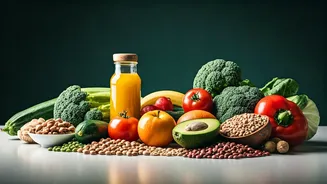
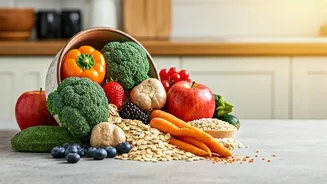
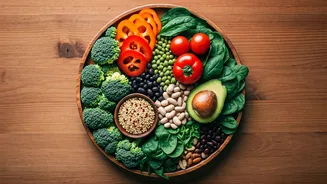
So, if not all calories are created equal, what should we focus on? The answer is nutrient density. Think of it as getting the most nutritional bang for your caloric buck. A food is nutrient-dense if it packs a high amount of vitamins, minerals, fiber, and antioxidants relative to its calorie count. For example, a cup of spinach is extremely nutrient-dense, offering vitamins K, A, and C for very few calories. A doughnut, on the other hand, is calorie-dense but nutrient-poor. This shift encourages a mindset of abundance rather than restriction. Instead of obsessing over what to cut out, the goal becomes adding more nutrient-dense foods to your plate: leafy greens, colorful vegetables, lean proteins, and healthy fats. This approach naturally helps manage calorie intake without the stressful accounting.
Your Gut Is Having Its Moment
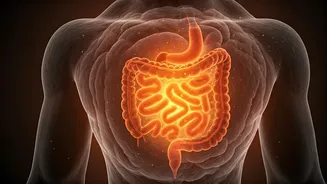
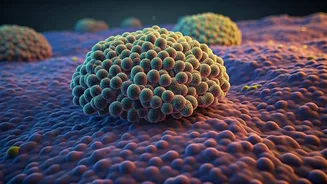
One of the most exciting frontiers in nutrition is the study of the gut microbiome—the trillions of bacteria living in your digestive tract. We now know these tiny organisms are crucial for more than just digestion; they influence your immune system, mood, and metabolism. And what you eat is what they eat. A diet high in ultra-processed foods, sugar, and unhealthy fats can promote the growth of harmful bacteria, leading to inflammation and other issues. Conversely, a diet rich in fiber from plants (fruits, vegetables, whole grains, legumes) acts as a prebiotic, feeding the beneficial bacteria. Fermented foods like yogurt, kefir, and kimchi provide probiotics, adding more of these helpful microbes directly to your system. The modern thinking is clear: a healthy gut is a cornerstone of overall health.
Taming the Blood Sugar Rollercoaster
Ever feel energetic after a meal, only to crash an hour later, craving more sugar? You've experienced a blood sugar spike and dip. The new nutrition conversation is laser-focused on minimizing this rollercoaster. Foods are now often evaluated by how they impact blood glucose. Highly refined carbohydrates and sugars are absorbed quickly, causing a rapid spike in blood sugar and a subsequent surge of the hormone insulin to clear it away. This can lead to a 'crash' and a cycle of cravings. Over time, this pattern can contribute to insulin resistance and chronic disease. By pairing carbohydrates with protein, fat, and fiber—all of which slow down digestion—you can create a much gentler blood sugar curve. This means more stable energy, fewer cravings, and better long-term metabolic health.
Food as Biological Information
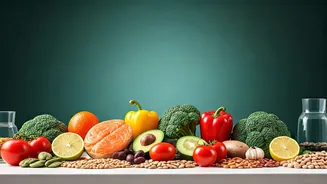
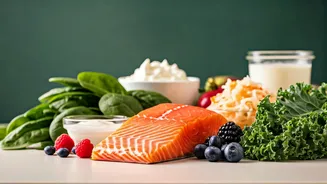
Ultimately, the new paradigm sees food not just as fuel but as information. Every bite you take sends a set of instructions to your body. A meal rich in omega-3 fats from salmon, antioxidants from berries, and fiber from broccoli tells your body to reduce inflammation, build healthy cells, and nourish your gut. A meal of processed meat, refined grains, and sugary drinks sends a different set of signals—ones that can promote inflammation and cellular stress. This reframing is empowering. It moves us away from a place of guilt and deprivation and toward a mindset of conscious nourishment. The question is no longer just, 'How many calories is this?' but rather, 'What information am I giving my body with this meal?'