


The Search for Quiet
For generations, the ultimate American getaway was a trip to the big city: New York, Chicago, Los Angeles. It was a pilgrimage for culture, cuisine, and energy. But a subtle but significant shift is underway. After years of digital saturation, pandemic-induced
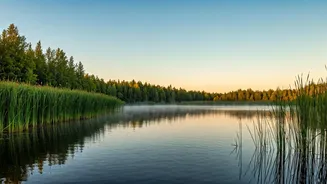
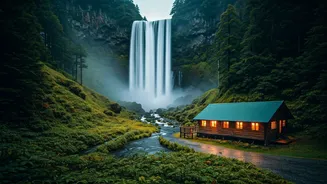
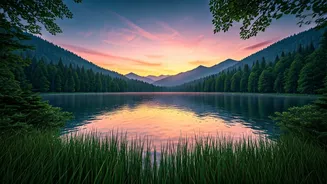
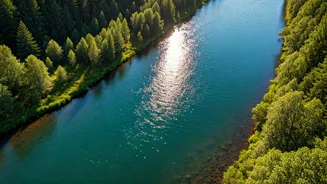
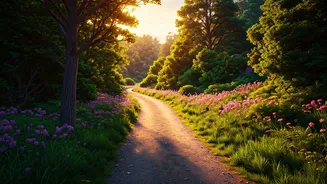
burnout, and the general stress of modern life, the definition of a restorative vacation is changing. The new luxury isn't about Michelin stars or exclusive nightclubs; it's about silence. It's the sound of a creek instead of a siren, the sight of a star-filled sky instead of a skyscraper's glow. Travelers are actively seeking destinations that offer a chance to disconnect from their devices and reconnect with a slower, more natural rhythm. This isn't just about escaping work emails; it's about escaping the mental clutter that urban environments constantly generate.
From Fly-Over to Stay-Over
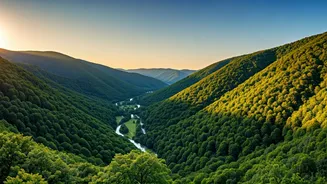
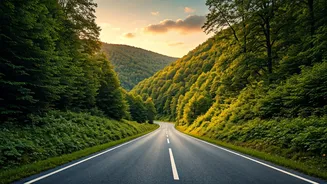
What were once considered “fly-over” regions are becoming sought-after destinations in their own right. Places like the Hudson Valley in New York, the Shenandoah Valley in Virginia, and the Willamette Valley in Oregon are experiencing a tourism renaissance. These areas have always had natural beauty, but they are now pairing it with the sophisticated amenities that city travelers appreciate. The trend is fueled by a new generation of entrepreneurs—many of them former city dwellers themselves—who have opened boutique hotels in restored farmhouses, launched farm-to-table restaurants that celebrate local agriculture, and curated artisanal shops that rival anything in a major metropolitan area. This blend of rustic authenticity and curated comfort creates a powerful draw. You can spend the morning on a challenging hike and the evening enjoying a world-class meal, offering a best-of-both-worlds experience that a pure city or wilderness trip often lacks.
The Appeal of Real Experiences
The shift also reflects a deeper change in what we value from travel. The passive consumption of sights—checking museums and monuments off a list—is being replaced by a desire for active participation and genuine connection. A trip to a green valley isn't about seeing, it's about *doing*. It’s about visiting a family-owned vineyard and talking to the vintner, picking apples at an orchard, learning to bake bread at a local workshop, or simply browsing a farmers market where you can meet the people who grew the food. This kind of travel feels less transactional and more transformational. It offers a sense of place and community that is often hard to find in an anonymized, fast-paced urban environment. For travelers tired of experiences that feel manufactured for Instagram, the unvarnished reality of rural life feels refreshingly authentic.
A Weekend Escape or a New Way of Life?
What often starts as a weekend escape is, for some, becoming a trial run for a new lifestyle. The rise of remote and flexible work has untethered millions of Americans from their physical offices, making the prospect of living in a more scenic, less expensive area a tangible reality. These “green valley” getaways serve as an exploratory phase. People are asking themselves: Could I live here? The vibrant communities, access to nature, and improved quality of life they experience on vacation are planting a seed. While the great American city is far from obsolete, its role as the sole center of gravity for culture and opportunity is being challenged. The pull of the green valley is a testament to this diffusion, suggesting that the future of American life might be a more balanced blend of the urban and the rural.