






Ignoring Your Check Engine Light
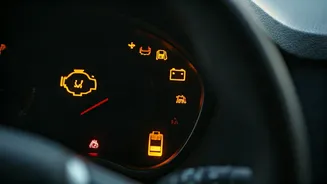
That glowing amber icon on your dashboard is the most ignored warning in modern driving. While it’s tempting to hope it goes away, ignoring it is a financial gamble. The light can indicate something as simple as a loose gas cap, but it can also be an early
warning for a failing oxygen sensor or a problem with your catalytic converter. A sensor might cost a couple hundred dollars to replace. Letting it go can damage the catalytic converter, a repair that can easily run from $1,500 to over $3,000. The light is your car’s way of asking for help; listening early almost always saves you money.
Skipping Regular Oil Changes
Thinking of an oil change as an optional expense is one of the most destructive habits for your vehicle. Engine oil is the lifeblood of your car, providing lubrication, cleaning away deposits, and helping to regulate temperature. Over time, oil breaks down and collects contaminants. Running on old, sludgy oil causes excessive friction and heat, leading to premature engine wear and, in the worst-case scenario, complete engine seizure. The difference in cost is staggering: a routine oil change is typically under $100, while replacing a seized engine can cost $5,000 or more.
Driving on Underinflated Tires
This habit costs you money in two ways: fuel and premature tire replacement. According to the Department of Energy, properly inflated tires can improve your gas mileage by up to 3%. While that sounds small, it adds up over a year of driving. More importantly, underinflation puts stress on the tire’s sidewalls, causing uneven wear and increasing the risk of a blowout. By simply checking your tire pressure once a month (the correct PSI is on a sticker inside your driver's side door jamb) and keeping them topped off, you extend the life of your tires, saving yourself from having to buy a new set months or even years ahead of schedule.
Consistently Using the Wrong Fuel
Many drivers believe that putting premium gasoline in a car designed for regular unleaded is like giving it a treat. In reality, it’s just burning money. If your car’s manufacturer does not require premium fuel, using it provides no benefit in terms of performance or engine longevity. The engine isn’t designed to take advantage of the higher octane rating. With premium gas often costing 50 cents or more per gallon than regular, you could be spending hundreds of extra dollars a year for absolutely no reason. Stick to the fuel type recommended in your owner's manual.
Frequently Running on Empty
Pushing your luck with the low-fuel light is a bad idea. Your car’s electric fuel pump is located inside the gas tank, and it relies on the surrounding gasoline to help keep it cool. When you consistently run the tank close to empty, the pump is more likely to overheat, leading to premature failure. A fuel pump replacement is a surprisingly expensive job, often costing between $500 and $1,000, as the mechanic may need to drop the entire gas tank to access it. A good rule of thumb is to refuel when your tank hits the quarter-full mark.
Using Dish Soap to Wash Your Car
It’s soap, so it cleans, right? While technically true, using household detergents like dish soap is a terrible idea for your car’s exterior. These soaps are formulated to strip grease and food from dishes, and they do the same thing to your car’s protective layer of wax. Without that wax, your vehicle's clear coat is exposed to UV rays, bird droppings, and environmental contaminants. Over time, this can lead to oxidation, fading, and peeling. The fix? A professional paint correction and re-waxing, which can cost several hundred dollars. Stick to pH-balanced automotive soap to protect your paint.