





A Pet-Friendly Peace of Mind
Let’s start with the biggest hurdle for many would-be plant parents: toxicity. The anxiety of bringing home a beautiful plant only to discover it’s a hazard for a curious cat or dog is a major deterrent. This is where the Bird's Nest Fern first proves
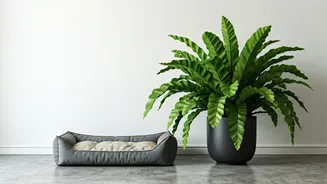
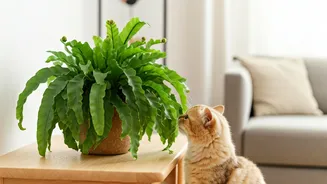
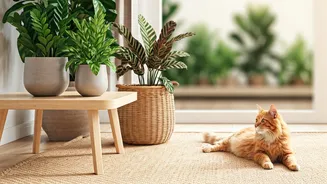
its worth. According to the ASPCA, it is non-toxic to cats, dogs, and horses. This classification removes the guesswork and stress, allowing you to place it on a low table or on the floor without worry. In a world of popular but poisonous houseplants like lilies, ZZ plants, and monsteras, the Bird's Nest Fern offers a refreshing and genuinely safe alternative. It means you can build your indoor jungle and know your four-legged family members are secure, making it an undeniable 'safe' choice.
Effortless Architectural Beauty
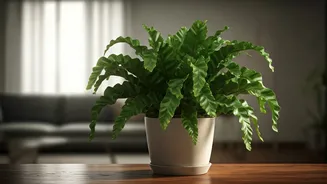
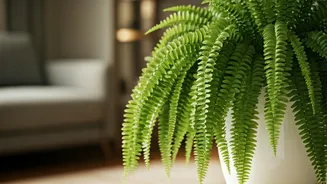
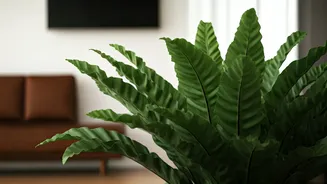
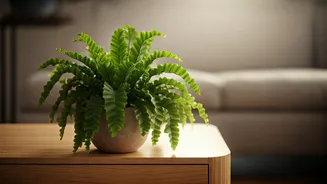
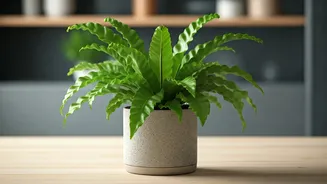
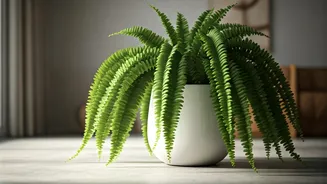
The 'styling win' part of the equation is immediately obvious upon first glance. Unlike many other ferns with delicate, lacy fronds, the Bird's Nest Fern boasts wide, wavy, apple-green leaves that unfurl from a central rosette. This tight, nest-like center is how the plant got its name. The leaves themselves are undivided, creating a bold, sculptural effect that feels both tropical and strikingly modern. Its unique form provides a fantastic textural contrast to more common houseplants. It doesn’t just fill a space; it makes a statement. Whether your home is minimalist, bohemian, or mid-century modern, this plant’s clean lines and vibrant color add a touch of living architecture. It holds its own as a solo specimen on a pedestal or brings a lush, cohesive feel to a group planting.
Thriving Without the Fuss
A plant can be beautiful and safe, but if it dies within a month, it’s a failure, not a win. Fortunately, the Bird's Nest Fern is remarkably forgiving, especially for a fern—a plant family often known for its diva-like tendencies. It prefers medium to low indirect light, making it perfect for those spots in your home that are too dim for sun-loving succulents. Direct sun will scorch its leaves, so keep it away from bright, unfiltered windows. When it comes to water, consistency is key. Keep the soil evenly moist but not waterlogged. A good rule of thumb is to water when the top inch of soil feels dry. One crucial tip: water the soil around the plant, not directly into the central 'nest,' as this can cause rot. This simple routine is far less demanding than that of many other popular tropicals.
Creative Placement and Styling
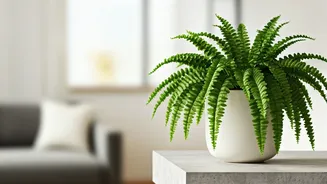
The Bird's Nest Fern’s adaptability extends to where it can be placed. Because it naturally thrives on the forest floor and in the crooks of trees, it loves humidity. This makes it one of the best plants for a bathroom or kitchen, where it will happily soak up the steam from your shower or sink. Placed on a bathroom vanity or a kitchen windowsill (out of direct sun), it adds a spa-like touch of green. For a living room or bedroom, consider placing it on a stylish plant stand to elevate it to eye level, where its unique form can be fully appreciated. In a larger pot, it can serve as a stunning, low-maintenance centerpiece for a dining table or coffee table. Its upright growth habit means it won’t spill over and get in the way, maintaining a tidy yet lush appearance.