



From Monuments to Moments
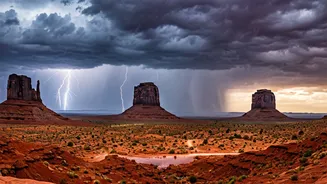
If the travel boom of the 2010s was defined by getting the perfect shot in front of the Eiffel Tower or Machu Picchu, the 2020s are shaping up to be about something far more fleeting. The term “chasing clouds” is less about meteorology and more about a mindset:
prioritizing ephemeral, unrepeatable natural events over static, man-made wonders. The Great American Eclipse of April 2024 was a watershed moment for this trend. Millions of people, a significant number of them young adults, planned entire trips not to see a city or a monument, but to stand in a specific field or on a particular roadside for just four minutes of celestial alignment. Hotels in the path of totality were booked years in advance. Festivals popped up in tiny towns. It was a mass pilgrimage for a moment of shared awe, an experience that existed powerfully in the present and then vanished, leaving only a memory. This is the new currency of travel: not a stamp in a passport, but a story about being there when it happened.
A Rejection of the Perfect Post
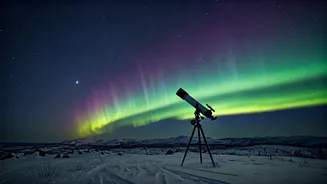
This shift isn't happening in a vacuum. It’s a quiet rebellion against the decade of performative travel fueled by social media. While the Instagram-era traveler felt pressure to present a flawless, enviable highlight reel, the cloud chaser seeks experiences that are inherently difficult to capture and commodify. You can’t truly bottle the feeling of the sky going dark in the middle of the day. A photo of the aurora borealis, however stunning, pales in comparison to the feeling of watching it dance above you in the freezing quiet of the Arctic Circle. This intentional pursuit of the ‘un-postable’ is a search for authenticity. It prioritizes the internal feeling over the external validation. In a world saturated with digital perfection and algorithmic recommendations, traveling hundreds of miles for a meteor shower or to see a rare bioluminescent tide is an act of reclaiming spontaneity and personal meaning. It’s a declaration that the best parts of a journey don’t always fit neatly into a 1:1 square frame.
The New Bucket List
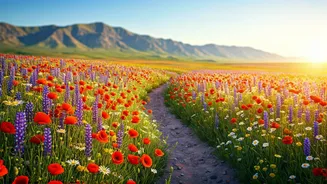
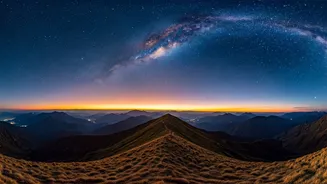
So, what else is on this new, intangible bucket list? The eclipse was the most visible example, but the trend extends across a whole category of “celestial tourism” and ephemeral events. Younger travelers are increasingly planning trips around: The Northern Lights (Aurora Borealis), heading to places like Iceland, Norway, and even northern parts of U.S. and Canada in the hopes of catching the spectacle. Meteor Showers, which turn national parks in dark-sky regions like Utah and Nevada into temporary observatories for events like the Perseids or Geminids. Bioluminescence, seeking out the rare bays and beaches in places like Puerto Rico or Thailand where microorganisms in the water glow with an otherworldly light. Superblooms, where a rare confluence of rain and heat causes deserts in California and Arizona to explode with wildflowers for a few precious weeks. Each of these requires luck, timing, and a surrender of control—a stark contrast to a pre-booked museum ticket.
Searching for Awe in an Anxious Age
Ultimately, the appeal of chasing clouds runs deep. For a generation that has grown up under the shadow of climate change, political instability, and digital oversaturation, there is a profound hunger for connection—to the planet and to something bigger than oneself. Witnessing a total solar eclipse or a volcanic eruption is a visceral reminder of nature’s power and humanity’s small place within it. It’s humbling and awe-inspiring in a way that scrolling through a feed can never be. This form of travel isn't about escaping reality but about grounding oneself in a more fundamental reality. It’s a way to feel a sense of wonder that feels both ancient and urgently new. It suggests a future where the most coveted travel destinations aren't places at all, but moments in time.