


Beyond the Big-City Museum
For decades, the art world seemed to orbit a few major cities. If you wanted a dose of culture, you booked a flight to New York for the Met or Chicago for the Art Institute. But a quiet, powerful shift is underway. The new cultural hotspots aren't just
in sprawling urban centers; they're in revitalized downtowns, converted warehouses, and pop-up galleries in cities and towns of all sizes. This isn’t about blockbuster exhibits with multi-million dollar paintings. It’s about accessibility, authenticity, and the growing desire for connection in a post-pandemic world. After years of digital fatigue and social distancing, Americans are seeking tangible experiences that feel real and local. And regional art scenes, long simmering with talent, are perfectly positioned to meet that need. They offer a brand of creativity that feels personal, unpretentious, and directly tied to the community you call home.
The Art Walk and the Open Studio
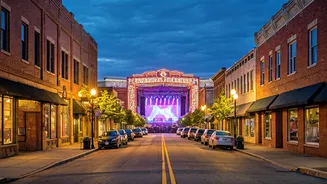
So what does this trend look like on the ground? It often takes the form of recurring, low-stakes events that have become staples of local calendars. Think “First Friday” art walks, where galleries, studios, and even local shops stay open late, inviting residents to stroll, socialize, and see what their creative neighbors have been making. Wine might be poured, local musicians might be playing on a street corner, and the vibe is more block party than stuffy exhibition. Another popular format is the open studio tour. These events, often held over a weekend, give the public a rare chance to step inside artists’ workspaces. You can see the messy, beautiful process behind the finished product, chat with creators about their inspiration, and maybe even buy a piece directly from the person who made it. It demystifies the artistic process and transforms art from a distant commodity into a human story. These events aren't just for a niche crowd; they draw families, couples on date nights, and curious solo wanderers.
More Than Just Pretty Pictures
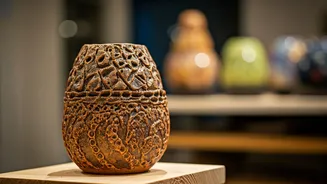
The pull of regional art goes far beyond aesthetics. When you attend a local art event, you’re participating in a vital ecosystem. You're supporting a small business owner—the artist—and helping them build a sustainable career in your town. The money you spend on a unique ceramic mug or a small print doesn't go to a faceless corporation; it helps an artist pay their rent and buy more supplies. This direct economic impact is a powerful motivator for many. Furthermore, these events are rebuilding our social fabric. They create a “third place,” a neutral ground outside of home and work where people can gather and interact. You bump into neighbors, discover a new part of your city, and feel a sense of shared identity. In an era of political polarization and digital echo chambers, finding common ground in the shared appreciation of a handmade object or a striking photograph feels more important than ever.
How to Tap Into Your Scene
Feeling inspired to explore? Finding your local scene is easier than you think. Start by searching online for your city or county’s name plus terms like “arts council,” “art walk,” “gallery night,” or “open studios.” Many cities have a nonprofit arts organization that maintains a comprehensive calendar of events. Follow local galleries and artists you discover on social media; they are often the best source for information on upcoming shows and pop-ups. Don't overlook your local library, coffee shops, and community centers, which frequently display work by area artists and have flyers for cultural happenings. The key is to be curious and open. You don't need a degree in art history to enjoy it. Just show up, look around, and talk to people. Ask an artist about their technique or a gallery owner about the piece that just caught your eye. The goal isn’t to become a connoisseur overnight, but to simply connect.