

From Taboo Topic to Trending Hashtag
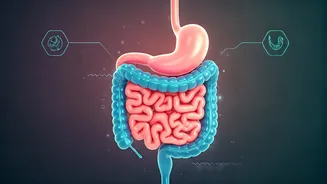
For generations, digestive health was the opposite of cool. It was the stuff of hushed conversations, clinical-looking fiber supplement ads featuring unhappy seniors, and a general sense of embarrassment. Issues like bloating, constipation, and indigestion
were problems to be solved in private, certainly not topics you’d broadcast to the world. The aesthetic was medicinal, the language was technical, and the overall vibe was something to be endured, not embraced. The goal wasn't to have a 'happy gut'; it was simply to have a gut that wasn't actively causing problems.
The Rise of the Wellness Influencer
The first major crack in this wall of silence came from social media, particularly Instagram and TikTok. Wellness influencers, masters of personal branding and aesthetic storytelling, pioneered a new narrative. They didn't talk about 'bowel regularity'; they talked about 'de-bloating,' 'gut balance,' and 'healing from within.' By framing digestive health through the lens of overall wellness, beauty, and self-optimization, they made it aspirational. A grainy, personal video detailing a struggle with bloating, followed by a triumphant 'glow-up' journey featuring vibrant smoothies and mindful eating, became a powerful and relatable content formula. It transformed a private medical complaint into a public wellness quest.
Making the Gut Photogenic
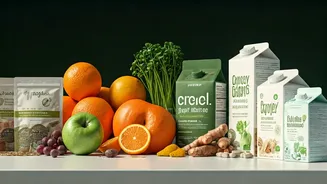
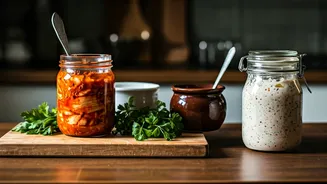
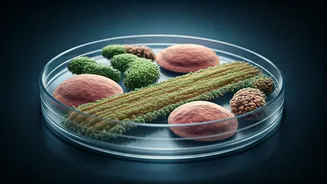
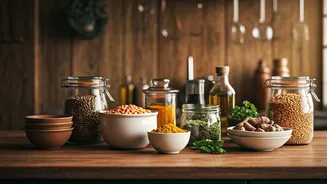
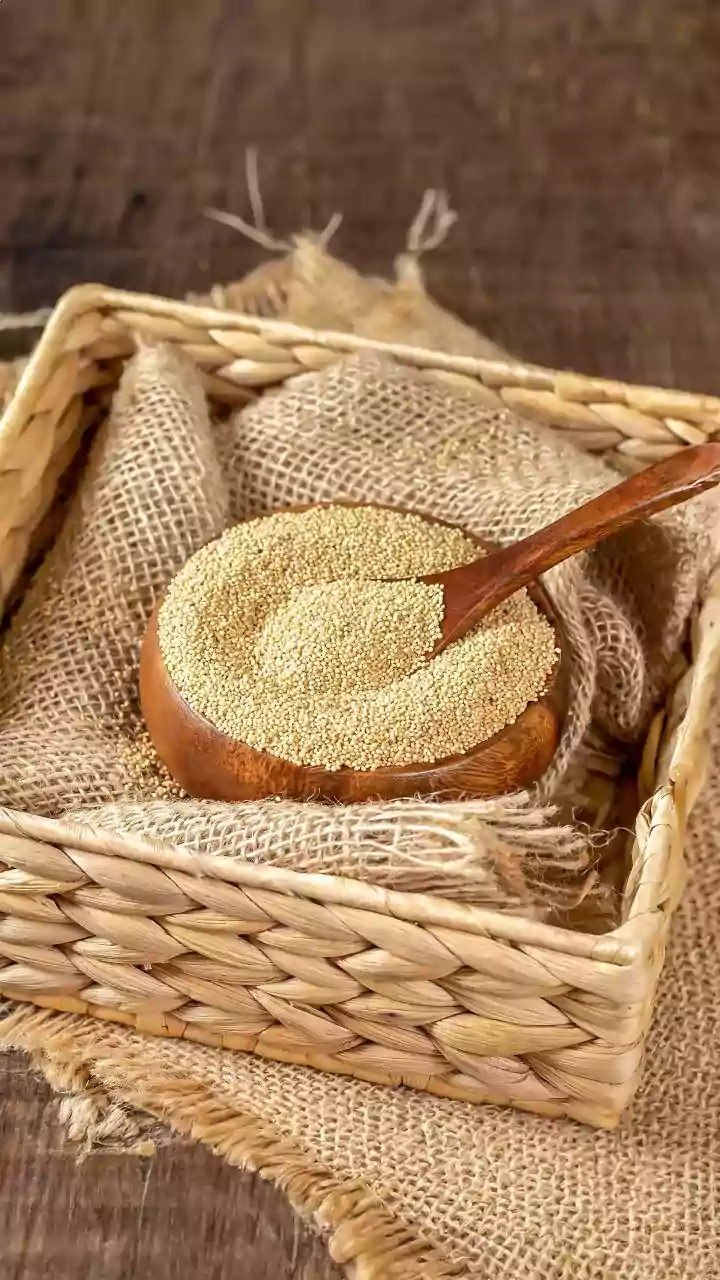
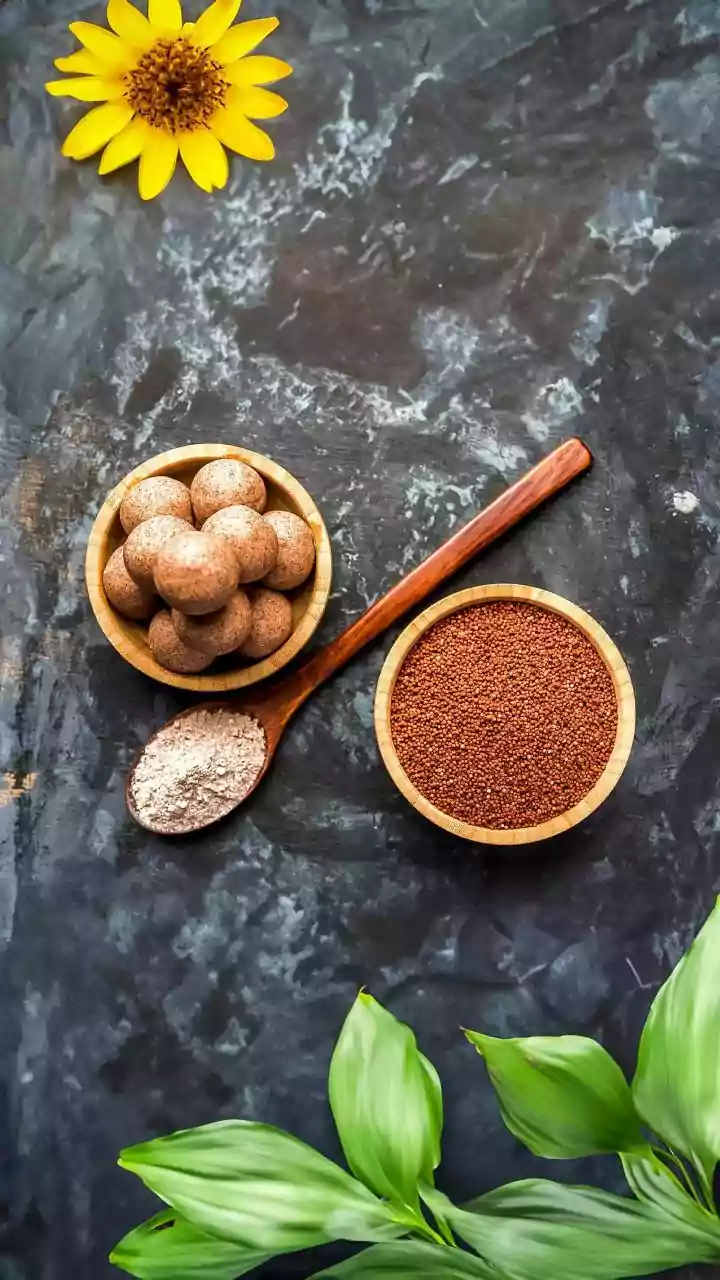
A key part of this transformation was making gut health beautiful. Social media feeds became flooded with visually stunning content centered on digestion. Think of the artfully arranged jars of colorful, bubbling kombucha; the overhead shots of 'gut-friendly bowls' packed with kimchi, avocado, and leafy greens; and the sleek, minimalist packaging of new-wave probiotic and prebiotic supplements. Brands quickly capitalized on this, marketing their products not as remedies for sickness, but as tools for a chic, wellness-oriented lifestyle. Suddenly, stocking your fridge with fermented foods and lining up your supplements for a shelfie wasn't just healthy—it was a status symbol.
The Dark Side of the Trend
While increased awareness is a net positive, the 'coolification' of gut health has a significant downside: misinformation. The social media ecosystem is filled with unqualified creators promoting questionable 'hacks,' restrictive diets, and expensive, unregulated supplements. Viral trends, like the infamous 'internal shower' (a chia seed, water, and lemon concoction), can have unintended side effects. This environment creates pressure to self-diagnose based on symptoms described in a 30-second video, often leading to unnecessary anxiety and the avoidance of actual medical advice. Gastroenterologists and registered dietitians increasingly find themselves debunking viral myths and urging caution, reminding followers that what works for one influencer may not be safe or effective for everyone.
A Search for Control
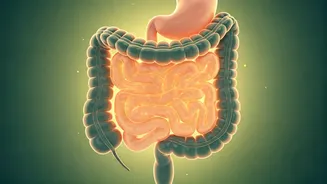
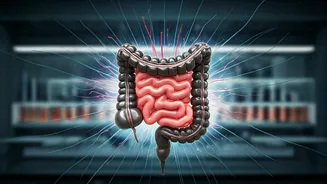
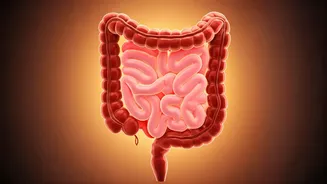
Ultimately, the obsession with gut health taps into a broader cultural desire for control in an uncertain world. The gut microbiome—the complex ecosystem of bacteria in our digestive tract—has been linked by science to everything from immunity and mood to skin clarity. For many, optimizing the gut feels like a tangible way to take charge of their overall well-being. It offers a clear-cut project with visible inputs (what you eat, the supplements you take) and hoped-for outputs (less bloating, more energy, better skin). In this light, the gut health trend is less about digestion itself and more about a modern search for personal agency, packaged in an aesthetically pleasing, algorithm-friendly format.