



The New Power Traveler Emerges
For decades, the dream holiday for many middle- and upper-class Indians involved a selfie at the Eiffel Tower, a stroll through Times Square, or a drive along the Great Ocean Road in Australia. These destinations were aspirational, representing a certain
status. But the traveler behind that dream has changed. India is now a tourism superpower in the making. With a burgeoning middle class, rising disposable incomes, and a young, digitally-savvy population eager to explore, the country is on track to become the world's fourth-largest global travel spender by 2030, according to industry reports. This isn't just about backpackers; it’s about families, honeymooners, and solo travelers with significant budgets, ready to spend on experiences, shopping, and dining. Airlines, hotel chains, and national tourism boards have all taken notice, recognizing Indian tourists as a high-value demographic that can buoy economies. The only problem? Many of the traditional 'dream' destinations have made it incredibly hard for them to visit.
Stuck Behind the 'Visa Wall'
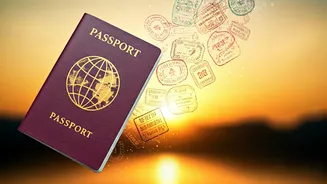
Imagine planning a family vacation a year in advance, only to find that the earliest available appointment for a visa interview is 18 months away. This isn't a hypothetical; it's the reality many Indian travelers have faced when trying to visit the United States, Canada, or parts of Europe. Post-pandemic backlogs, coupled with strained diplomatic resources, have created a 'visa wall' for applicants from high-demand countries like India. Wait times for a U.S. visitor visa, for instance, have stretched to over 500 days in major Indian cities at various points. The process is not just slow; it's expensive and uncertain. Applicants spend hundreds of dollars on non-refundable fees, compile mountains of paperwork to prove their 'intent to return,' and face the possibility of a rejection with little explanation. For a family of four, the upfront cost and logistical headache can be immense. Suddenly, the dream vacation starts to look more like a bureaucratic nightmare.
The Smart Money Goes East
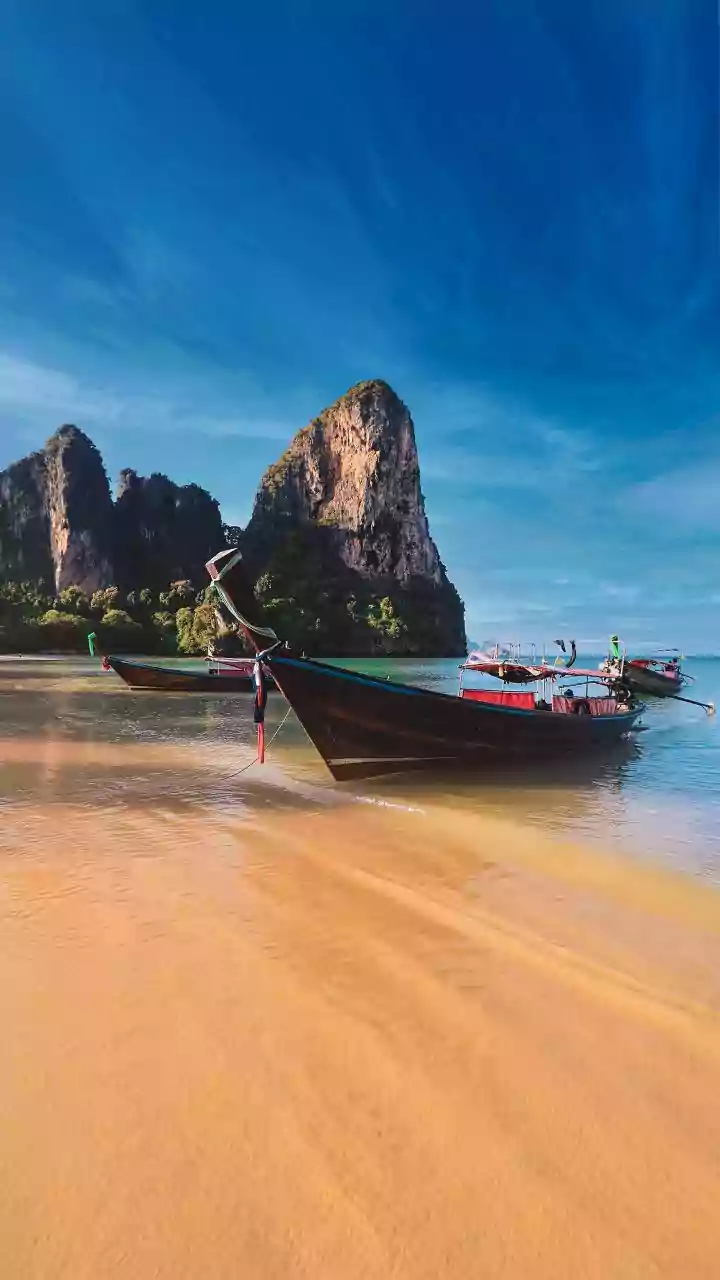
This frustration has created a massive opportunity for other countries, and many in Southeast Asia and the Middle East have seized it with impressive speed. Realizing that the path of least resistance is also the path of greatest profit, nations like Thailand, Malaysia, Vietnam, and Sri Lanka have rolled out the welcome mat. They have either waived visa requirements for Indian nationals entirely or implemented simple, fast, and affordable visa-on-arrival or e-visa systems. The results have been immediate and dramatic. Travel booking sites in India report that as soon as a country announces a friendlier visa policy, search queries and bookings for that destination skyrocket, often by over 200%. Instead of waiting a year and a half for a potential trip to the U.S., an Indian family can now book a flight to Bangkok on a Monday and be on the beach by Wednesday, their visa sorted in minutes upon arrival. This isn't a compromise; it’s a smart choice. These destinations offer world-class beaches, rich culture, great food, and a favorable exchange rate—all without the visa-induced stress.
A Global Economic Lesson
The trend is more than just a travel story; it's a lesson in global economics and soft power. Countries that streamline access for a major market win—not just in tourism dollars, but in long-term cultural and economic ties. The money that might have been spent in a New York department store or a Swiss ski resort is now flowing into hotels in Phuket, shops in Kuala Lumpur, and restaurants in Ho Chi Minh City. According to travel industry estimates, the long visa wait times for Western countries could be costing them billions in lost tourism revenue from India alone. While the U.S. and Europe are preoccupied with their bureaucratic hurdles, a new tourism ecosystem is flourishing, built on the simple principle of accessibility. The Indian traveler has become a kingmaker, and they are crowning the destinations that respect their time and their money. The message is clear: in the competitive world of global tourism, being wanted is no longer enough. You have to be welcoming, and for millions, that welcome begins with a hassle-free visa.