



Beyond the Chicken Tikka Masala
For decades, Indian food in America was largely defined by a handful of North Indian, Mughlai-inspired dishes. Restaurants served what was familiar and expected: creamy sauces, tandoori meats, and mountains of naan. It was delicious, but it was also a simplified,
Anglicized sliver of a subcontinent's vast culinary diversity. Now, a new generation of chefs, many of them second-generation Indian Americans, is pushing back against that monolith. They’re not just cooking; they're curating a new narrative. Instead of conforming to the Western palate, they are challenging it, introducing diners to the complex, hyper-regional flavors that, until now, were mostly found in home kitchens. This isn't just about new recipes; it’s a confident declaration that the full spectrum of Indian cuisine belongs on America's most creative menus.
The New Pantry Stars
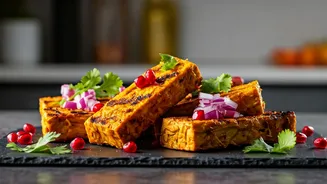
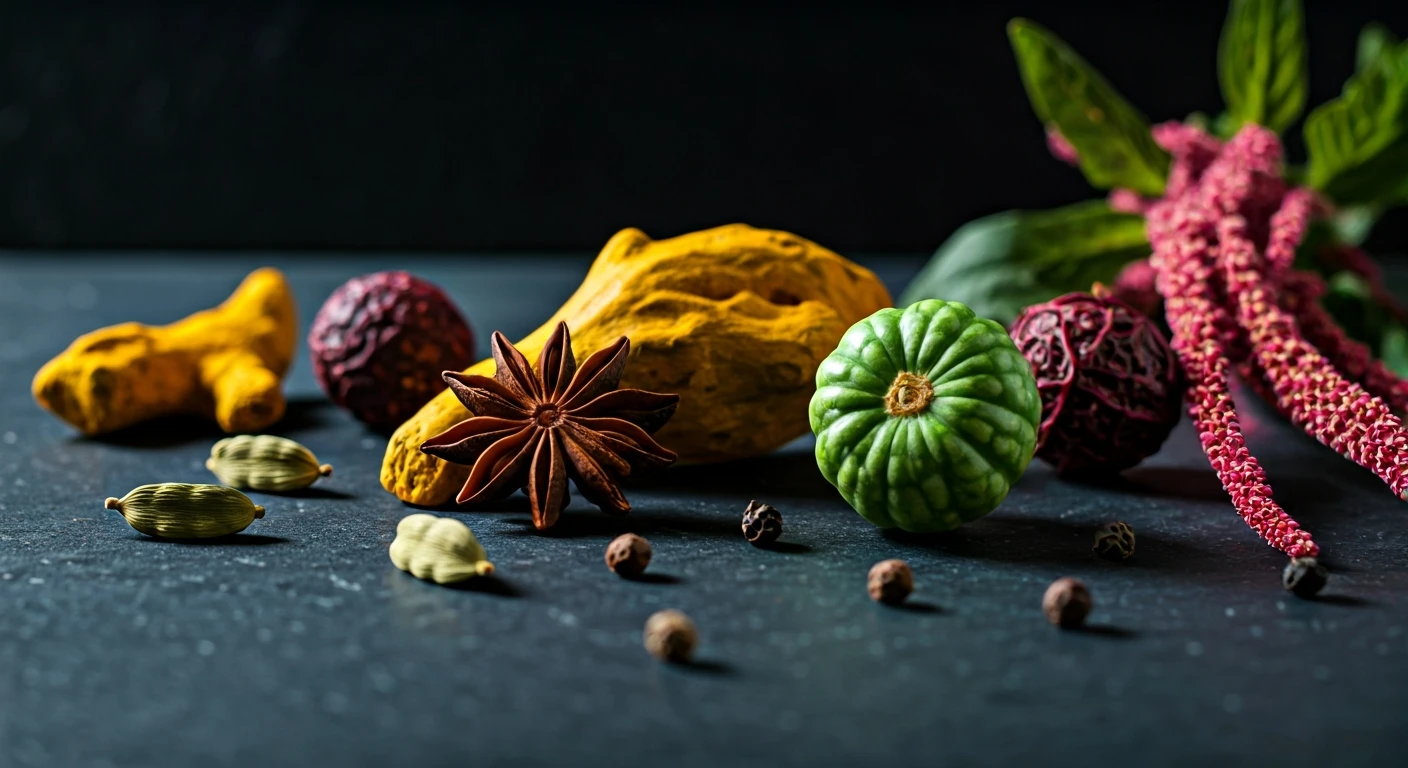
The stars of this movement aren't imported truffles or Japanese uni; they're ingredients many Indian families have cherished for generations. Take moringa, the nutrient-dense leaves of the drumstick tree. Once relegated to home-cooked dals and stir-fries, it’s now appearing in delicate sauces and savory pestos at acclaimed restaurants. Jackfruit, a versatile fruit often used as a meat substitute in vegetarian dishes, is being braised, smoked, and served in ways that highlight its unique texture. Sour, tangy kokum, a dried fruit from India’s west coast, is replacing lemon or vinegar to provide acidity in everything from crudos to cocktails. Other ingredients like amaranth greens, fenugreek, and millet varieties are also stepping into the spotlight, celebrated not as exotic novelties but as integral components of a sophisticated culinary vocabulary. These chefs are proving that luxury isn't about obscurity; it's about thoughtful sourcing and masterful technique.
The Chefs Reclaiming Their Heritage
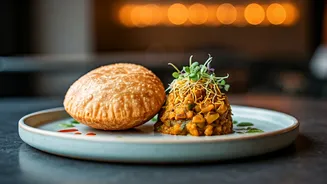
This trend is being driven by visionary chefs who are blending their American upbringing with their Indian heritage. Chintan Pandya, the force behind New York City hotspots like Dhamaka and Semma, has earned Michelin stars by focusing on “unapologetic” Indian food that highlights forgotten regional specialties. At Semma, for instance, dishes feature snails, venison, and other ingredients common in rural South India but virtually unknown in American restaurants. In Asheville, North Carolina, Meherwan Irani of Chai Pani (which won the James Beard Award for Outstanding Restaurant) built a brand on showcasing the vibrancy of Indian street food, proving that casual flavors could be presented with serious intention. These chefs and others like them are more than restaurateurs; they are cultural translators, using their platforms to educate diners and decolonize the perception of their ancestral cuisine. They cook with a sense of purpose, telling personal stories with every plate.
A Taste of Cultural Confidence
Ultimately, the rise of these ingredients is about more than just food. It’s a powerful symbol of cultural confidence. For years, immigrant communities often felt pressure to assimilate, sometimes hiding the very things that made their culture unique—including the pungent, unfamiliar smells and flavors of their home cooking. Today, seeing those same ingredients celebrated on a $150 tasting menu is a form of validation. It represents a shift where specificity is valued over generality, and authenticity is defined on one's own terms. This movement signals that Indian cuisine in America has matured beyond the need for approval. It’s no longer asking for a seat at the table; it’s setting the menu, confident that diners are ready for the full, uncompromised, and utterly delicious experience.