





Why Heavy Rain Is a Hidden Risk
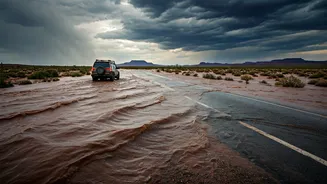
We often think of tap water in the U.S. as infallibly safe. For the most part, it is, thanks to robust municipal treatment systems. But intense rainfall and flooding can quickly overwhelm this infrastructure. When the ground becomes saturated, runoff
that would normally be absorbed instead flows directly into rivers, lakes, and reservoirs—our primary water sources. This runoff isn't just rain; it picks up everything in its path, including pesticides from lawns and farms, bacteria from animal waste, chemicals from roads, and overflows from stressed sewer systems. Even for those on well water, flooding can contaminate the groundwater supply. The result is a sudden spike in contaminants that treatment plants may struggle to eliminate completely, leading authorities to issue 'boil water' advisories as a precaution.
The Bugs to Watch Out For
The primary health threat from contaminated water comes from microscopic organisms that cause gastrointestinal misery. Pathogens like Giardia, Cryptosporidium, and E. coli are top offenders. Ingesting even a small amount can lead to symptoms like diarrhea, vomiting, stomach cramps, and fever—what many people would mistake for a bad stomach flu. While these illnesses are typically just a miserable experience for healthy adults, they can be serious, even dangerous, for children, the elderly, and people with compromised immune systems. An infection can lead to severe dehydration, require medical care, and result in days of lost work or school. All of this can be avoided with one simple step.
The Ultimate Hack: Boil Your Water
This is it—the single most effective and inexpensive way to make your water safe. You don't need fancy filters or expensive gear. According to the CDC, bringing water to a rolling boil and holding it there for just one minute is enough to kill virtually all disease-causing bacteria, viruses, and protozoa. If you live at an elevation above 6,500 feet, you should boil it for three minutes. After boiling, let the water cool down and store it in clean, sanitized containers with tight covers. The only cost is the energy used to heat the water. When compared to the cost of medication, a doctor's visit, or the misery of being sick, it's practically free. If a 'boil water' advisory is issued in your area, this is your first and best line of defense.
Low-Cost Backup Methods
What if you can't boil water due to a power outage, which often accompanies severe storms? You still have cheap and effective options. The most common is chemical disinfection using household bleach. Look for regular, unscented chlorine bleach with an active ingredient of 5-9% sodium hypochlorite. The EPA recommends adding 8 drops (about 1/8 teaspoon) of bleach per gallon of clear water. Stir it and let it stand for at least 30 minutes before using. The water should have a faint chlorine smell; if it doesn't, repeat the dosage and let it stand for another 15 minutes. Water purification tablets containing iodine or chlorine dioxide are another excellent, portable option to keep in an emergency kit. They are inexpensive and have a long shelf life, making them a smart investment for any household in a storm-prone area.
It’s Not Just for Drinking
When we think about water safety, we focus on what we drink. But contaminated water can make you sick in other ways. During a water advisory, you should use boiled or disinfected water for any activity where water might be ingested. This includes brushing your teeth, washing produce and other raw foods, preparing drinks, and making ice. Even water used for washing dishes should be handled with care; if possible, use a final rinse with sanitized water or a disinfecting dishwashing cycle. While the risk from bathing or showering is low for most healthy people (as long as you don't swallow the water), it's best to supervise children to ensure they don't accidentally ingest any. Protecting yourself is about being mindful of all the ways water enters your life, not just the glass you drink.