



The Other Lion
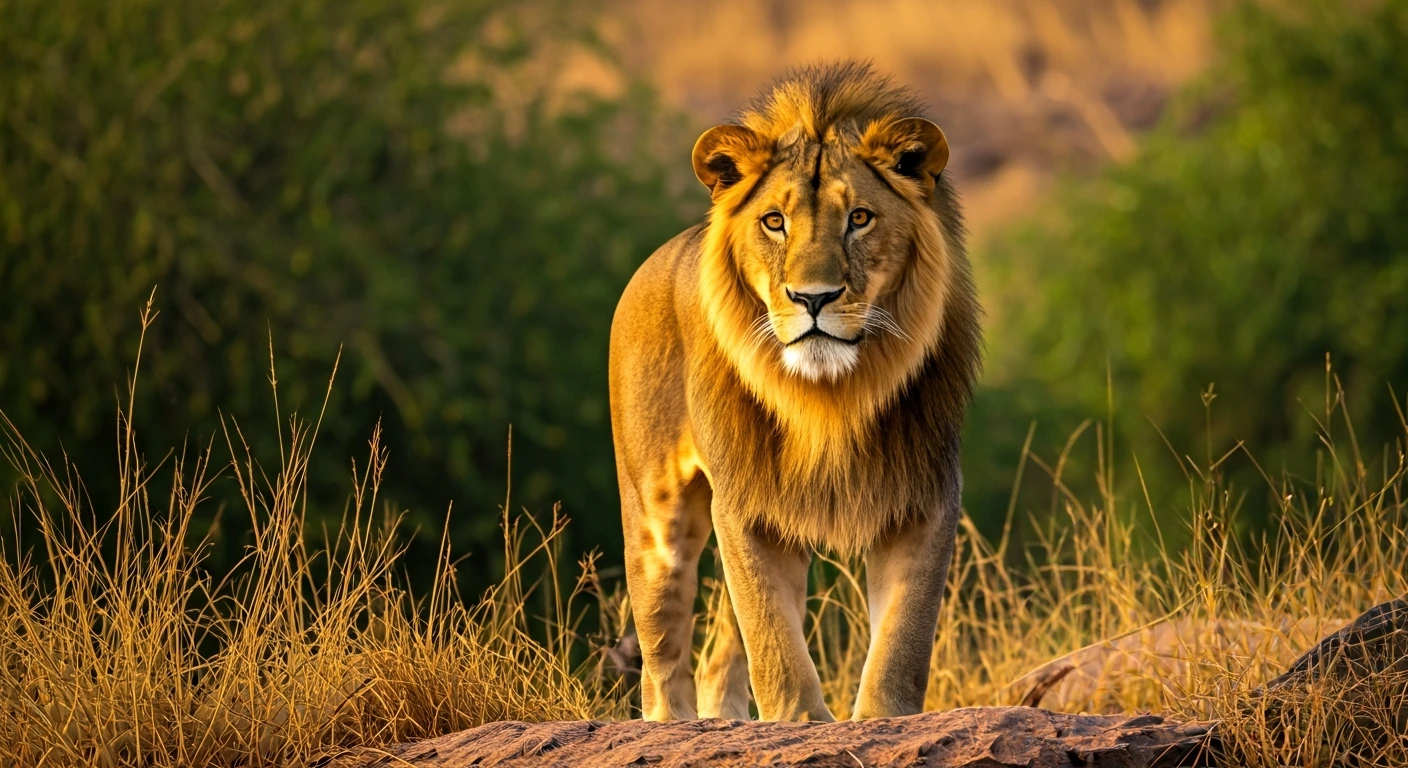
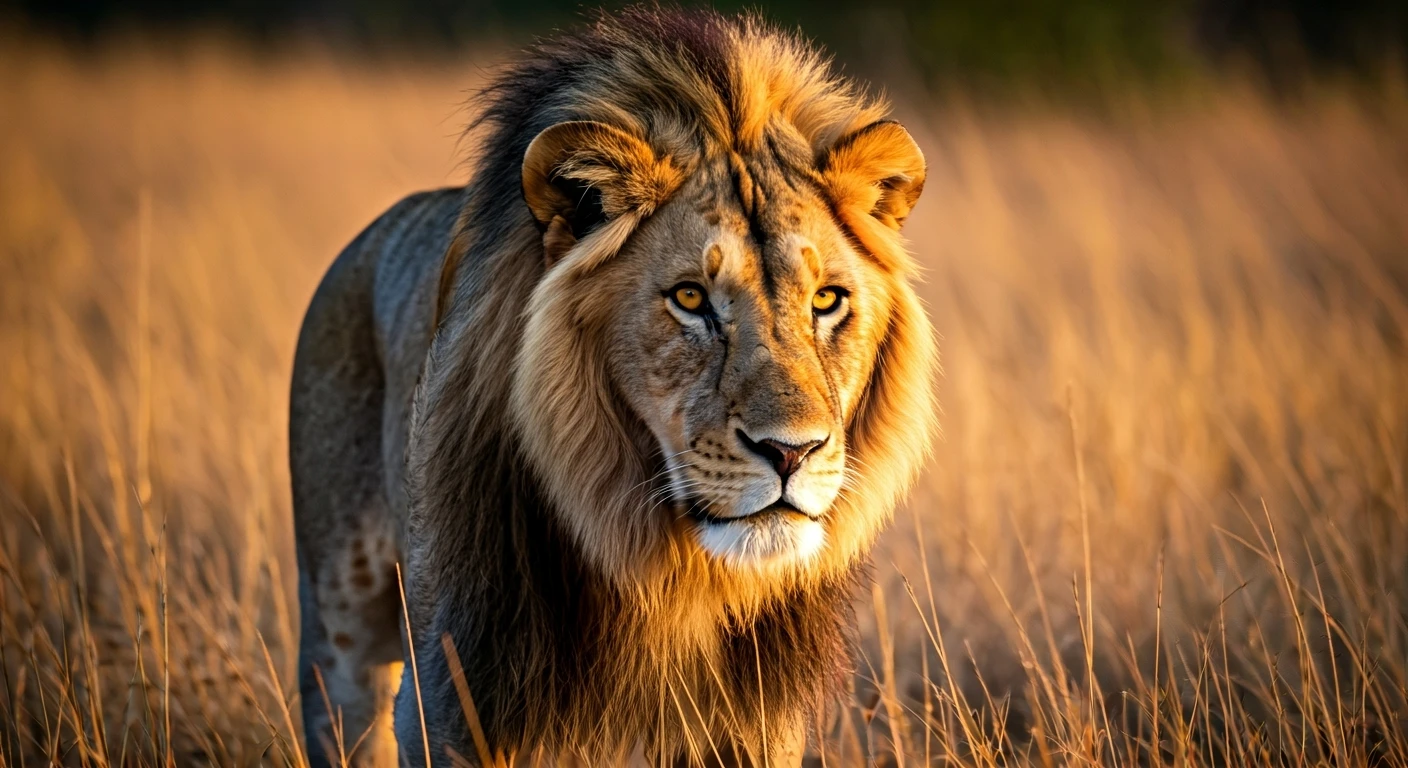
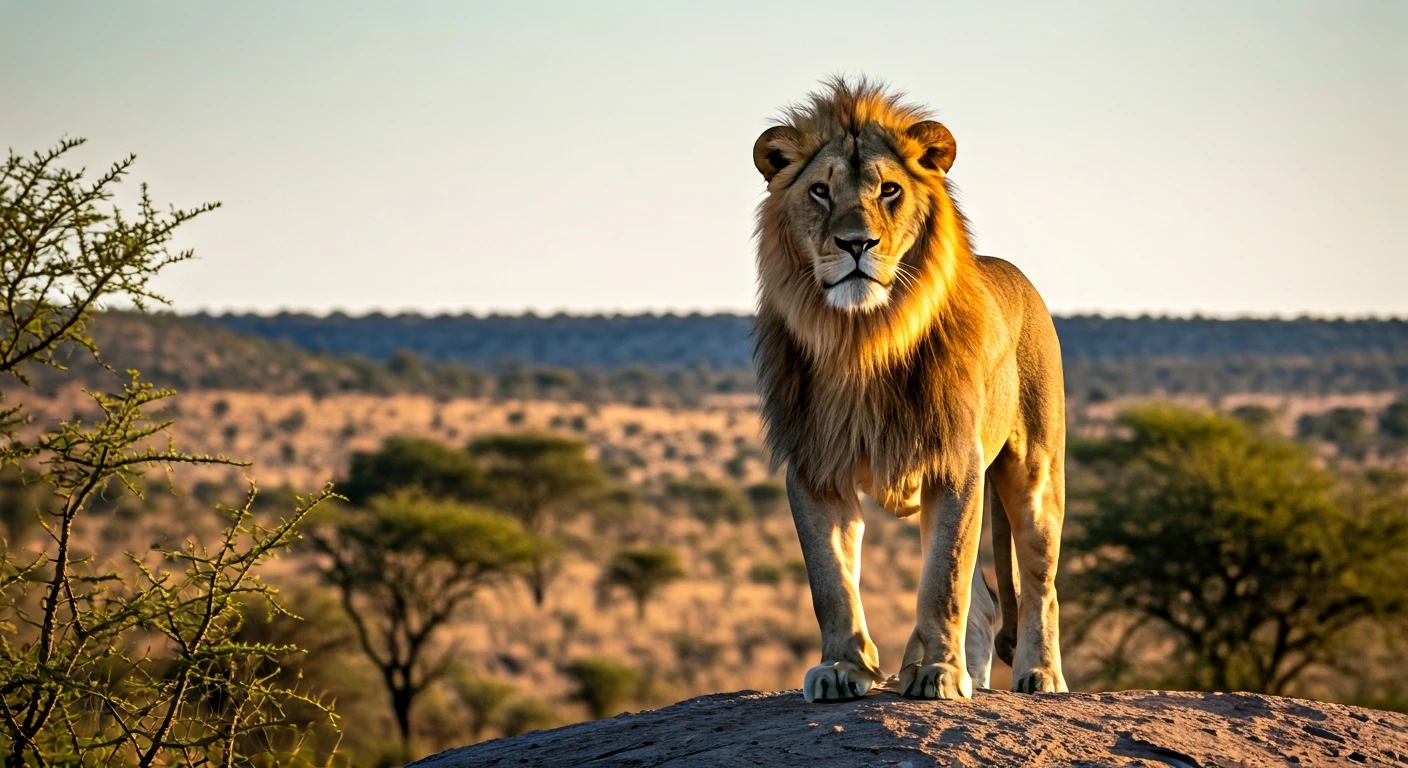
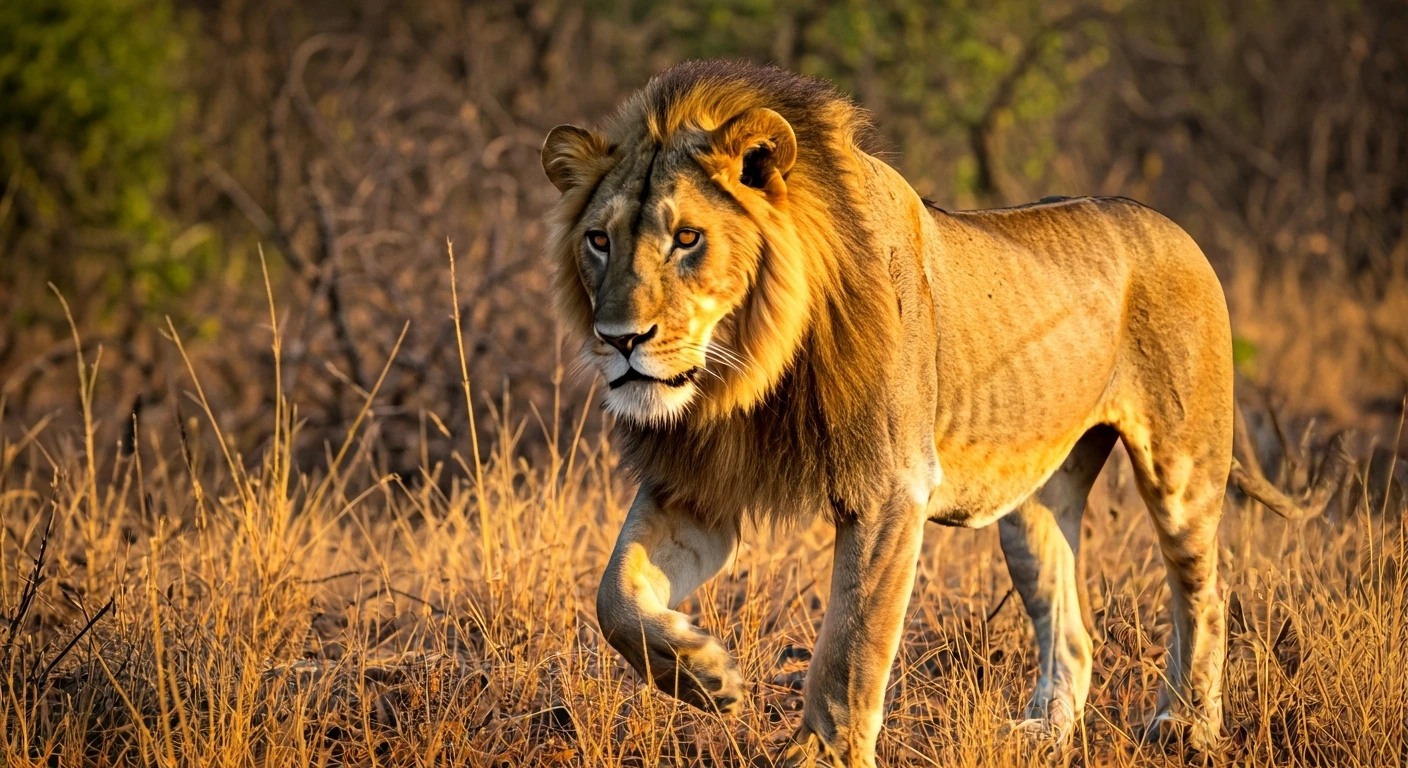
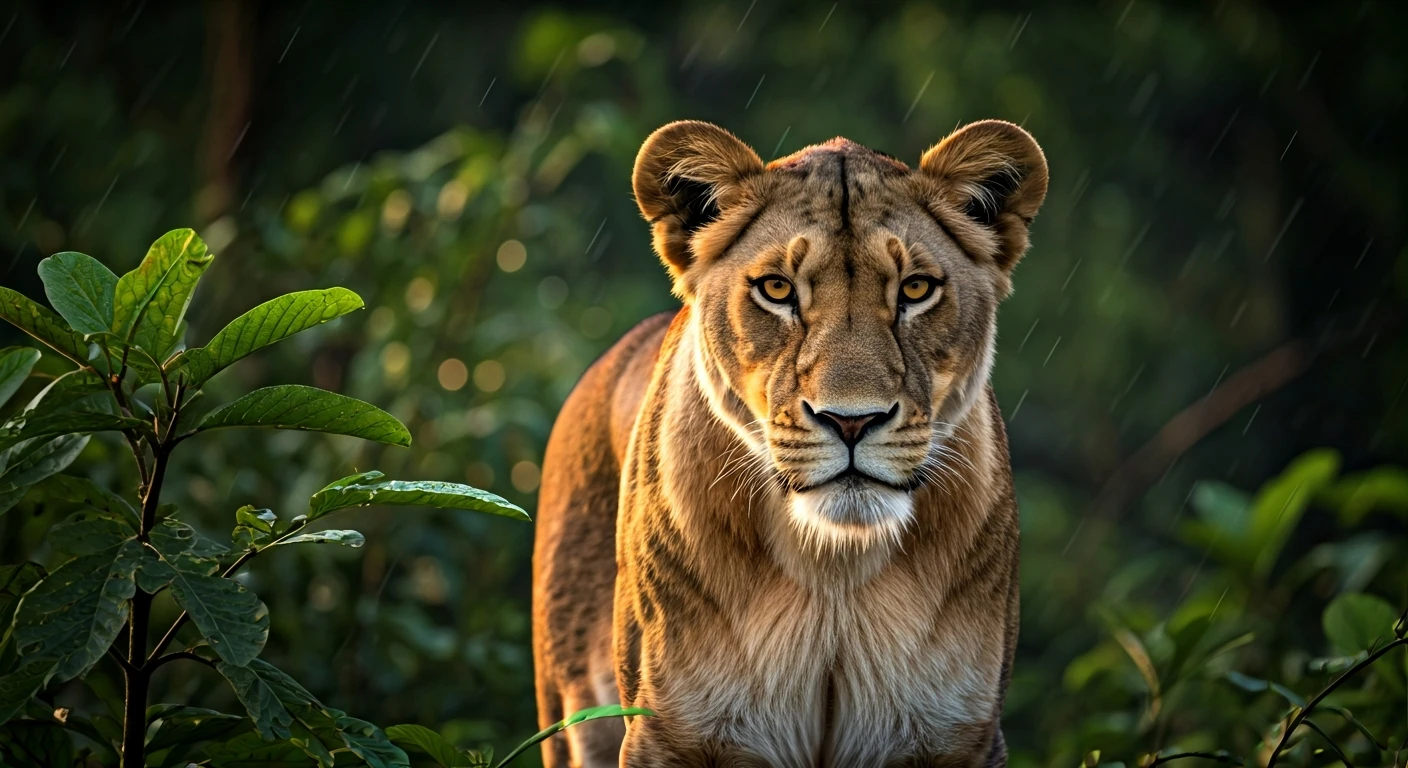
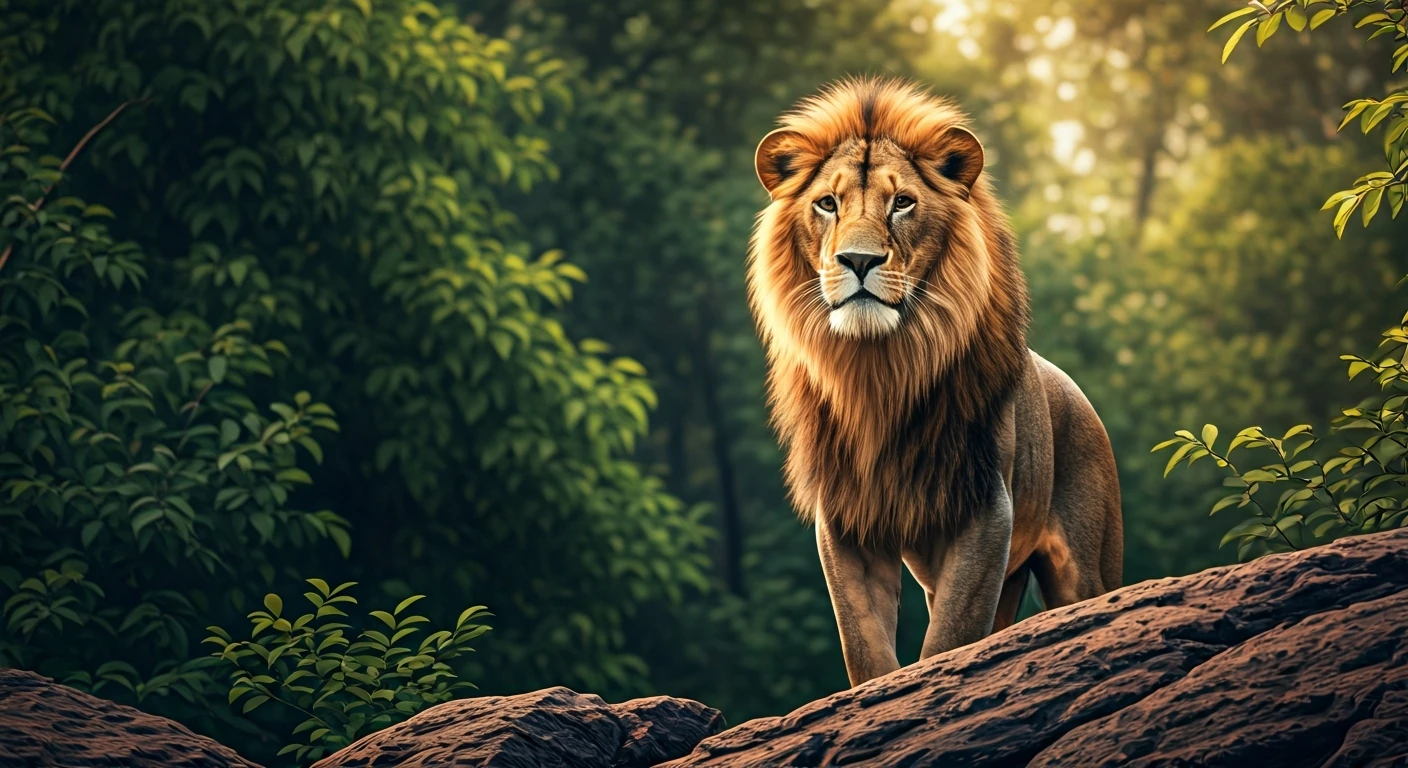
When Americans picture a lion, they see the vast, golden savannas of Africa. They imagine Mufasa surveying the Pride Lands. But halfway across the world, a slightly different, rarer, and arguably more elusive subspecies hangs on in a single, protected
stronghold: the Asiatic lion. Found exclusively in the wilds of Gir National Park in Gujarat, India, this is the lion that safari veterans talk about in hushed, reverent tones. Seeing one isn't just another stamp in the passport; it's a pilgrimage. While African safaris offer a magnificent spectacle of biodiversity, the quest for the Asiatic lion is a more focused, singular pursuit. It’s like a film buff seeking out a lost, single-print movie instead of just going to the multiplex. This is the safari for the person who has seen the Big Five and is now asking, 'What else you got?'
A Comeback Story for the Ages
The story of the Asiatic lion is what gives this trip its soul. These big cats, which once roamed from Greece to eastern India, were hunted to the brink of extinction. By the early 20th century, a mere handful—some estimates say as few as 20—were left, all of them cornered in the Gir Forest. Their survival is owed to the Nawab of Junagadh, the local ruler who, recognizing the impending catastrophe, banned hunting and began protecting the last of the lions. From that tiny, fragile population, a century-long conservation effort was born. Today, the number of Asiatic lions has rebounded to over 670, an incredible success story that stands as a testament to dedicated conservation. When you visit Gir, you aren't just a tourist; you are a witness to the profound result of that effort. Every lion you see is a descendant of those few survivors, a living, breathing symbol of resilience.
What the Gir Experience is Really Like
Forget what you know about African safaris. The landscape at Gir is different. It’s not endless grassland but a sprawling, dry, deciduous forest filled with teak trees, scrubland, and rocky hills. The experience is more intimate and, at times, more challenging. You’ll ride in an open-top Maruti Suzuki Gypsy jeep, a nimble vehicle perfect for navigating the dusty forest tracks. A sighting is never guaranteed. The thrill is in the search: following fresh tracks in the dirt, listening for the alarm calls of deer, and scanning the undergrowth for a flicker of tawny fur. Your guide is your key, an expert at reading the forest's subtle language. And lions aren't the only residents. Gir is also one of the best places in India to spot leopards, as well as sambar deer, nilgai (blue bull), and a vibrant array of birdlife. You’ll also see the Maldharis, the semi-nomadic pastoralists who have coexisted with the lions for centuries, living in the park in a delicate, time-honored balance.
The Ultimate Bragging Right
So, is it a 'flex'? Absolutely. In the world of high-end, purpose-driven travel, seeing an Asiatic lion in its only home is a serious accomplishment. It signifies a departure from the well-trodden path. It tells other travelers that you’re not just collecting experiences, but seeking out stories. It’s a trip that combines rarity, adventure, and a powerful conservation narrative. You’re not just watching wildlife; you’re visiting a living museum, a place where a species was pulled back from the very edge of oblivion. The photos you come back with won't just be of a lion; they’ll be of *the* lion, the one that almost wasn't there. That's a story—and a flex—that no Big Five safari can quite match.