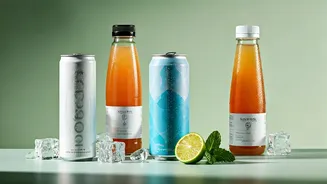




First Off, What Even Is Protein Soda?
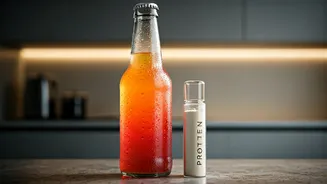
At its core, protein soda is exactly what it sounds like: a carbonated beverage infused with protein. Think of your favorite sparkling water or diet soda, but with an added 10 to 20 grams of protein, typically from whey or collagen peptides. Brands like Vieve,
Fizzique, and a host of newcomers are betting that consumers want the satisfaction of a fizzy drink without the guilt, plus a functional benefit. They come in familiar, nostalgic soda flavors—Cola, Root Beer, Orange Cream—but usually contain zero sugar, relying instead on artificial sweeteners like sucralose or natural ones like stevia to deliver sweetness without the calories. The goal is to create a 'better-for-you' alternative that feels like an indulgence while serving a fitness-oriented purpose.
The Rise of 'Healthy-ish' Indulgence
Protein soda didn't just appear out of nowhere. It’s riding the coattails of the wildly successful 'healthy soda' movement pioneered by brands like Olipop and Poppi. Those prebiotic sodas convinced millions of Americans that a can of bubbly could be good for their gut health, cracking the code on making a wellness product feel like a treat. Protein soda takes that concept and applies it to the fitness world, where the obsession with protein intake is at an all-time high. In a culture where people are adding protein powder to everything from coffee ('proffee') to oatmeal, putting it in a can of soda feels like the logical, if slightly bizarre, next step. It’s the ultimate convergence of convenience, indulgence, and the relentless quest to optimize every single thing we consume.
A Dietitian's Take: Gimmick or Gain?
This is the million-dollar question, and the answer is nuanced. On one hand, registered dietitians acknowledge that most Americans could benefit from more protein, which is crucial for muscle repair, satiety, and overall function. If the choice is between a sugary, nutrient-empty soda and a zero-sugar protein soda, the latter is arguably a better option. However, experts are quick to caution against viewing these drinks as a nutritional silver bullet. The protein used is highly processed, and it lacks the fiber, vitamins, and minerals you’d get from whole food sources like chicken, beans, or Greek yogurt. Many nutritionists argue it's far better to eat your protein than to drink it in a can of artificially sweetened fizz. They see it less as a health food and more as a 'less bad' alternative to traditional soda, or a convenient supplement for when you're in a pinch—not a replacement for a well-rounded diet.
Who Is Actually Drinking This Stuff?
The target market is a blend of gym-goers tired of chalky shakes and the 'wellness-curious' consumer. On TikTok and Instagram, you'll see fitness influencers cracking open a can post-workout, praising it as a refreshing way to refuel. It appeals to the person who meticulously tracks their macros but still craves the sensory experience of a cold, crisp soda. Beyond the hardcore fitness crowd, it's also catching on with people on weight-loss journeys who are looking for high-protein, low-calorie options to help them feel full. The promise is simple and powerful: you can satisfy your soda craving and get closer to your fitness goals at the same time. It’s a message tailor-made for a generation that wants its health, and to enjoy it, too.
The Fizz-ical Future of Food
Whether protein soda has the staying power of Greek yogurt or flames out like the Cabbage Soup Diet remains to be seen. But its emergence says a lot about our current relationship with food. We are constantly searching for shortcuts and optimizations—ways to make our indulgences 'count' for something more. The food and beverage industry has taken note, leading to a wave of 'functional' products that blur the lines between treat and supplement. Protein soda is perhaps the most audacious example yet. It represents a bet that we don't want to give up our favorite things, we just want to make them work harder for us. As the trend continues to bubble up, it's a fizzy, fascinating reminder of our ongoing, and often weird, pursuit of wellness.