



The Rise of 'Quiet Luxury'
First, let's define the term that’s been whispering its way through fashion and interior design. 'Quiet luxury' is the antithesis of logomania. Think less Gucci-branded wallpaper and more the understated, cashmere-clad world of the Roy family on HBO's
*Succession*. It’s a design ethos built on impeccable quality, timeless craftsmanship, and materials that speak for themselves without needing a brand name to justify their value. This aesthetic prioritizes feel and longevity over fleeting trends. It’s not about showing people you have money; it’s about creating a personal environment so comfortable and well-made that you don’t need to.
Enter Linen: The Perfect Understated Fabric
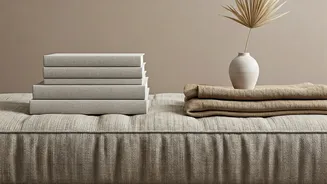
So where does linen fit in? Perfectly. This ancient textile, derived from the fibers of the flax plant, is the embodiment of quiet luxury. It’s not flashy like silk or ostentatious like velvet. Its beauty lies in its authenticity. Linen is strong, absorbent, and breathable, making it functionally superior for everything from bedding to summer clothing. But its aesthetic appeal is what makes it a modern status symbol. Its signature slubby texture—those tiny, irregular knots in the weave—tells a story of natural origins. In a world of synthetic, mass-produced polyester, a home filled with genuine linen signals a commitment to quality and natural materials.
The Power of the Wrinkle
Here is the core of the linen “flex”: the wrinkles. For decades, a perfectly pressed, wrinkle-free home was the standard of domestic perfection. Crisp cotton sheets, starched tablecloths, and flawlessly smooth surfaces were the goal. Linen completely upends that ideal. Its tendency to wrinkle is not a flaw; it's the entire point. A rumpled linen duvet cover or a gently crinkled tablecloth telegraphs an air of effortless, casual elegance. It says, “My life is so relaxed, I don’t fuss over a few creases.” It implies a home that is lived in and loved, not a sterile showroom. Embracing the wrinkle is a subtle act of confidence, a rejection of stiff formality in favor of approachable comfort.
Weaving Linen Throughout the Home
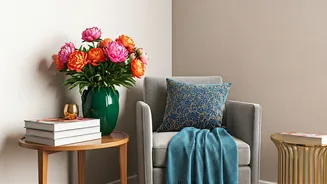
While linen bedding is the most common entry point into this trend, the quiet luxury approach involves layering the texture throughout a space. Heavy linen curtains that pool gracefully on the floor add softness and diffuse light beautifully. A set of linen napkins can elevate a simple weeknight dinner into a more intentional moment. Upholstering an armchair or sofa in a durable linen-blend fabric creates an inviting focal point that begs you to sit down and relax. Even small touches, like linen hand towels in a guest bathroom or linen-covered throw pillows on a couch, contribute to a cohesive, textured, and deeply calming environment. The goal is to create a tactile experience, not just a visual one.
A Trend with Timeless Roots
While its popularity within the 'quiet luxury' movement feels very of-the-moment, linen is one of the oldest and most durable fabrics in human history. It has been cultivated for thousands of years, prized for its strength and comfort. This historical significance adds to its allure. Choosing linen isn't just jumping on a trend; it's investing in a material with proven staying power. Furthermore, as a natural fiber derived from the resilient flax plant—which requires less water and pesticides than cotton—it also appeals to a growing desire for more sustainable and eco-conscious choices. It’s a material that feels good, looks good, and allows you to feel good about your purchase.