

A Mountain Range Reborn
For those unfamiliar, the Western Ghats are a 1,000-mile-long chain of mountains running parallel to India’s western coastline. Older than the Himalayas, this UNESCO World Heritage site is a global biodiversity hotspot, home to thousands of species of plants
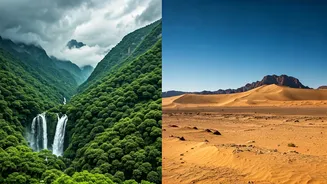
and animals found nowhere else on Earth. For much of the year, under the intense Indian sun, parts of the landscape can appear parched and sleepy, a mosaic of brown and muted green. But from roughly June through September, the arrival of the southwest monsoon triggers one of nature’s most spectacular displays of rebirth.
The Magic of the Monsoon
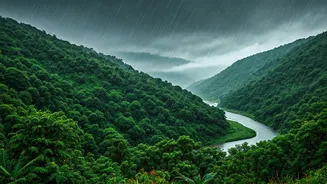
The Indian monsoon isn’t just a rainy season; it’s a colossal weather system that defines the subcontinent's climate, culture, and very survival. When these moisture-laden winds arrive from the Arabian Sea and hit the towering wall of the Ghats, they are forced upward, cooling and condensing into torrential rains. This deluge is the starting pistol for a complete ecological overhaul. Rivers swell from trickles into torrents. Dormant seeds sprout with explosive speed. The entire color palette of the region shifts in a matter of weeks from dusty ochre to a thousand shades of emerald, jade, and lime.
A Symphony of Green and Water
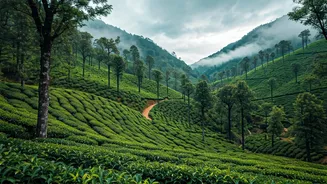
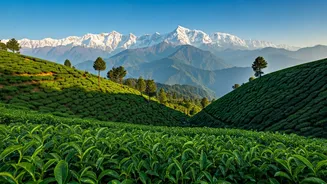
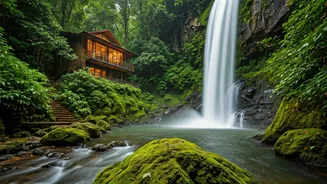
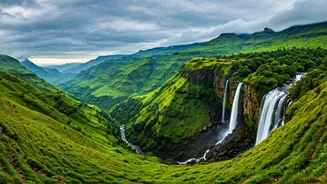
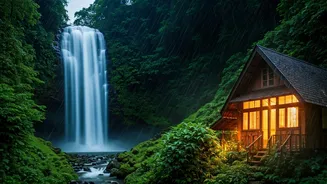
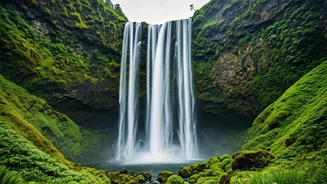
This is the “Instagrammable phase” the headlines rave about, and for good reason. The visual transformation is breathtaking. Hillsides that were barren become carpeted in velvety green grass. Temporary waterfalls, some hundreds of feet high, cascade down black rock faces that were bone-dry just a month prior. Low-hanging clouds and dense fog drift through valleys and cling to peaks, creating an ethereal, mystical atmosphere that feels worlds away from the tropical heat. Roads twist through landscapes of impossibly green tea plantations, like those in Munnar, Kerala, or wind past the rain-drenched coffee estates of Coorg, Karnataka. It's a photographer’s dream, where every turn in the road offers a new composition of mist, mountains, and vibrant foliage.
More Than Just a Pretty Picture
While the scenery is the main draw for travelers and photographers, the monsoon’s beauty is deeply connected to its biological importance. This seasonal explosion of life supports an incredible array of fauna. It’s the season when frogs and reptiles are most active, and the lush vegetation provides ample food for the region's elephants, tigers, and the iconic lion-tailed macaque. This period also triggers unique events, like the mass blooming of the Neelakurinji flower, a phenomenon that blankets entire hillsides in a purplish-blue haze, but only once every 12 years. So while a stunning photo might capture a moment of beauty, it’s just a snapshot of a much larger, more vital ecological drama unfolding across the mountain range.