







The End of the Rigid Routine
For decades, the American fitness blueprint was clear: get a gym membership, show up before or after your fixed workday, and repeat. But what happens when the workday has no clear boundaries? For young professionals navigating a world of remote work,
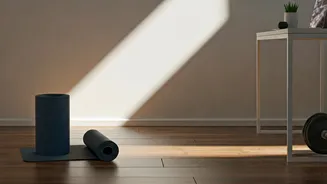
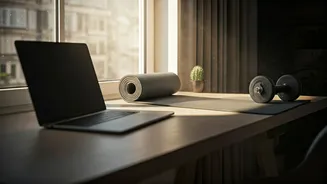
gig economy projects, and the “always on” culture of Slack and email, the rigid structure of a traditional gym membership feels less like a solution and more like another stressful appointment to manage. The “chaos” isn't just about being busy; it's about unpredictability. A Tuesday afternoon might be wide open for a workout, while a Thursday evening is consumed by a last-minute deadline. This fluid reality makes committing to a year-long contract for a facility with fixed hours seem outdated and inefficient. The value proposition of the big-box gym—a physical place you must travel to at a specific time—is fundamentally at odds with a lifestyle defined by flexibility and spontaneity.
From 'No Pain, No Gain' to 'Do What You Can'
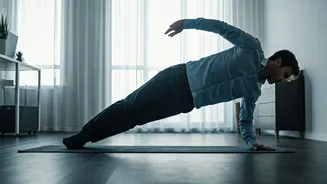
The hustle culture of the 2010s glorified punishing, high-intensity workouts as a badge of honor. But the generation entering the workforce now is famously skeptical of burnout. Their fitness philosophy is shifting from an all-or-nothing, “no pain, no gain” mentality to something more sustainable and forgiving: consistency over intensity. The goal isn't necessarily to achieve peak physical performance or an idealized body type. Instead, it's often about managing stress, improving mental health, and simply moving your body in a way that feels good. This psychological shift de-emphasizes grueling, hour-long sessions and opens the door for gentler, more intuitive forms of movement. It's less about conquering a workout and more about checking in with your body. A 20-minute walk between Zoom calls or a 15-minute yoga flow before bed is celebrated as a victory, not a compromise.
Meet the 'Fitness Snack'
If life is too chaotic for a full meal, you snack. The same logic is now being applied to exercise. “Fitness snacking,” or the practice of sprinkling short bursts of activity throughout the day, is perfectly suited to the modern young worker. This isn't about half-hearted effort; it's a strategic approach to accumulate activity without needing a dedicated, uninterrupted hour. This trend powers the success of digital fitness platforms and apps like Peloton, Apple Fitness+, and Future, which offer vast libraries of on-demand classes of varying lengths. You can do a 10-minute core workout on your lunch break, a 20-minute HIIT session before your first meeting, or a 5-minute stretching routine to break up an afternoon of sitting. Hybrid services like ClassPass thrive here, allowing users to drop into a boutique class one day and stream a workout at home the next. Fitness is no longer a destination; it's a utility that can be accessed anytime, anywhere, on demand.
Wellness as the New Six-Pack
Ultimately, this trend is about a broader redefinition of health. For many young people, physical fitness is just one pillar of a larger structure called “wellness.” The new status symbols aren't just chiseled abs, but a balanced nervous system, a good night's sleep, and a handle on anxiety. Workouts are chosen not just for their calorie-burning potential but for their mental and emotional benefits. This explains the rising interest in activities that blend mindfulness with movement, like yoga and tai chi, as well as the boom in recovery tools like foam rollers, massage guns, and meditation apps. A workout that fits the chaos isn't just one that's short and convenient. It’s one that actively counteracts the stress of that chaos, offering a moment of mindful movement in a day dominated by digital noise and competing demands. It’s about feeling better, not just looking better, and that’s a goal that fits any schedule.