


The Last Lions of Asia
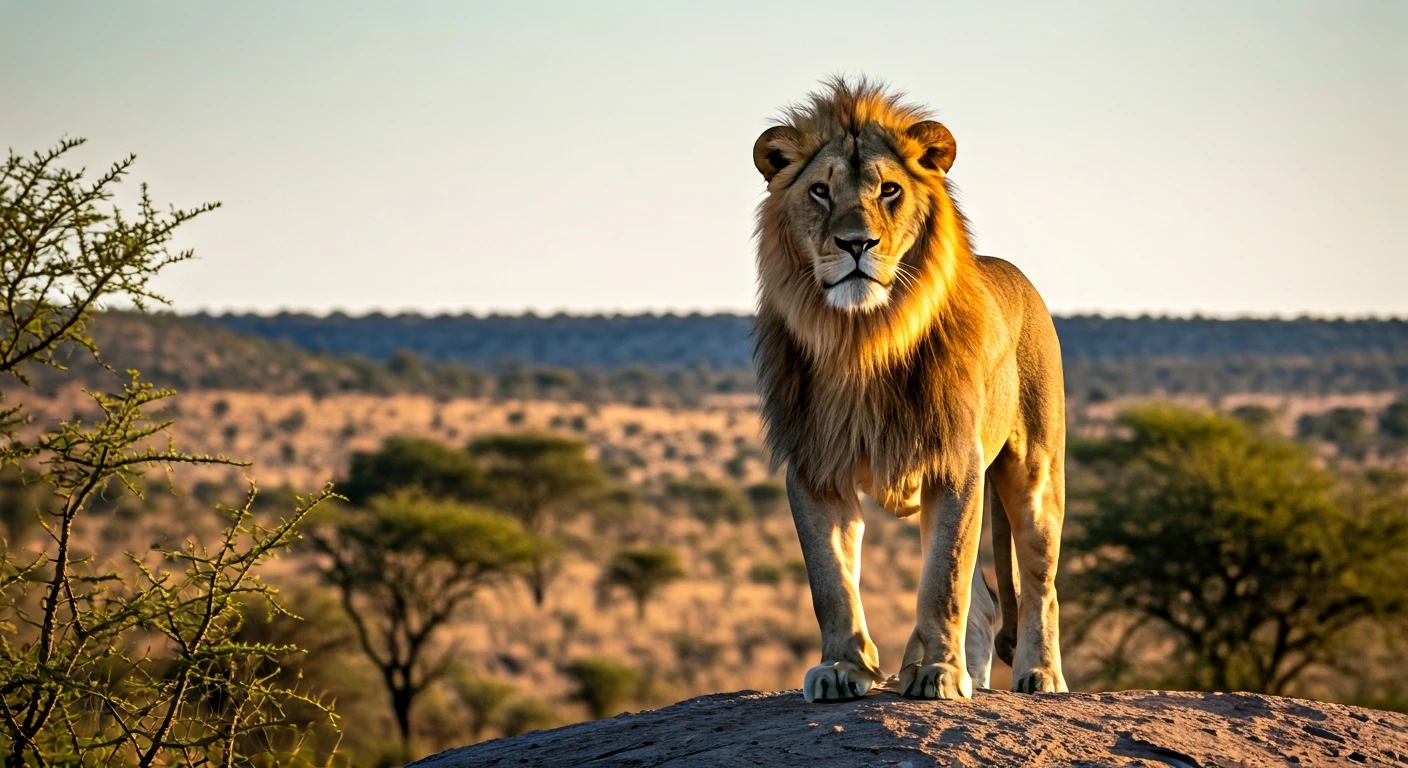
Forget the sprawling savannas of the Serengeti. The world’s only wild population of Asiatic lions—a unique subspecies slightly smaller and shaggier than their African cousins—roams the dry, deciduous forests of Gir National Park in Gujarat, India. Once
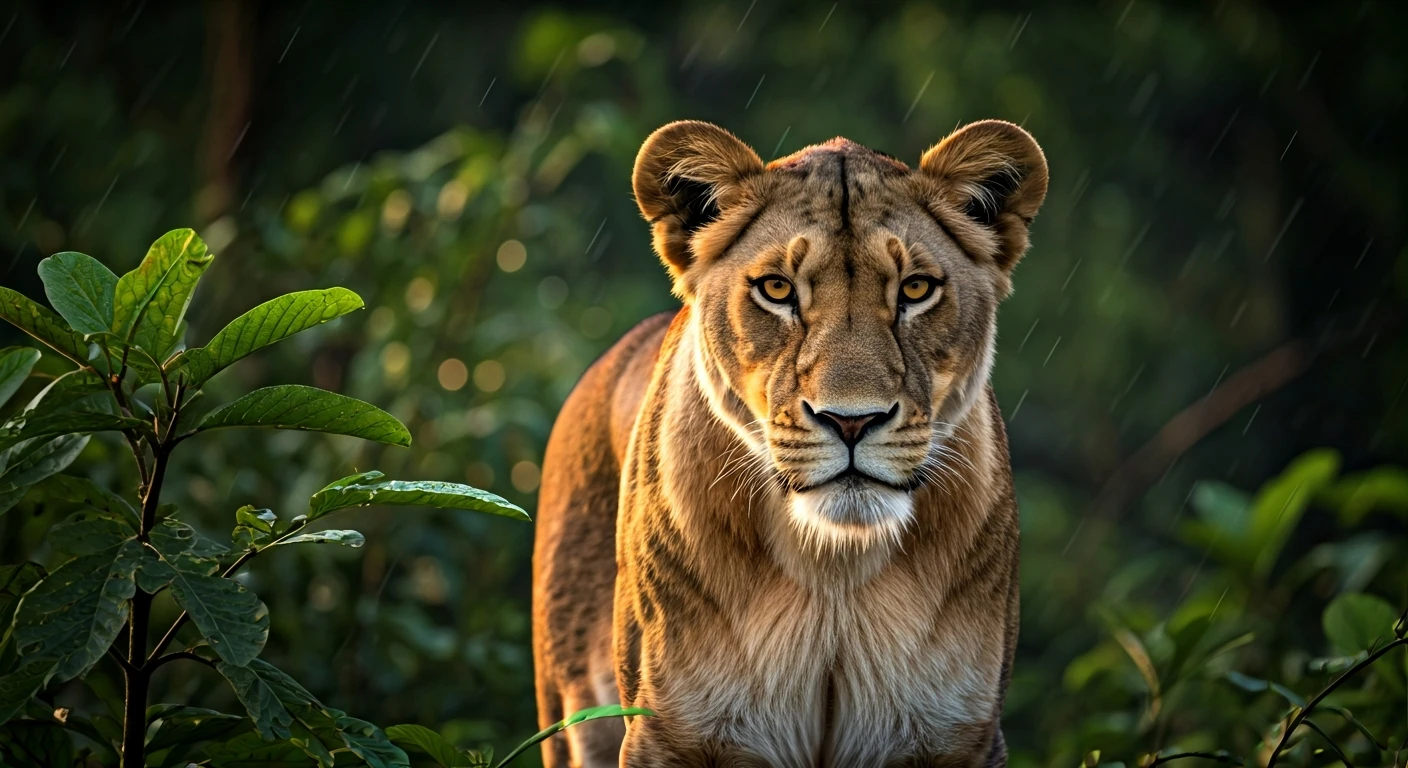
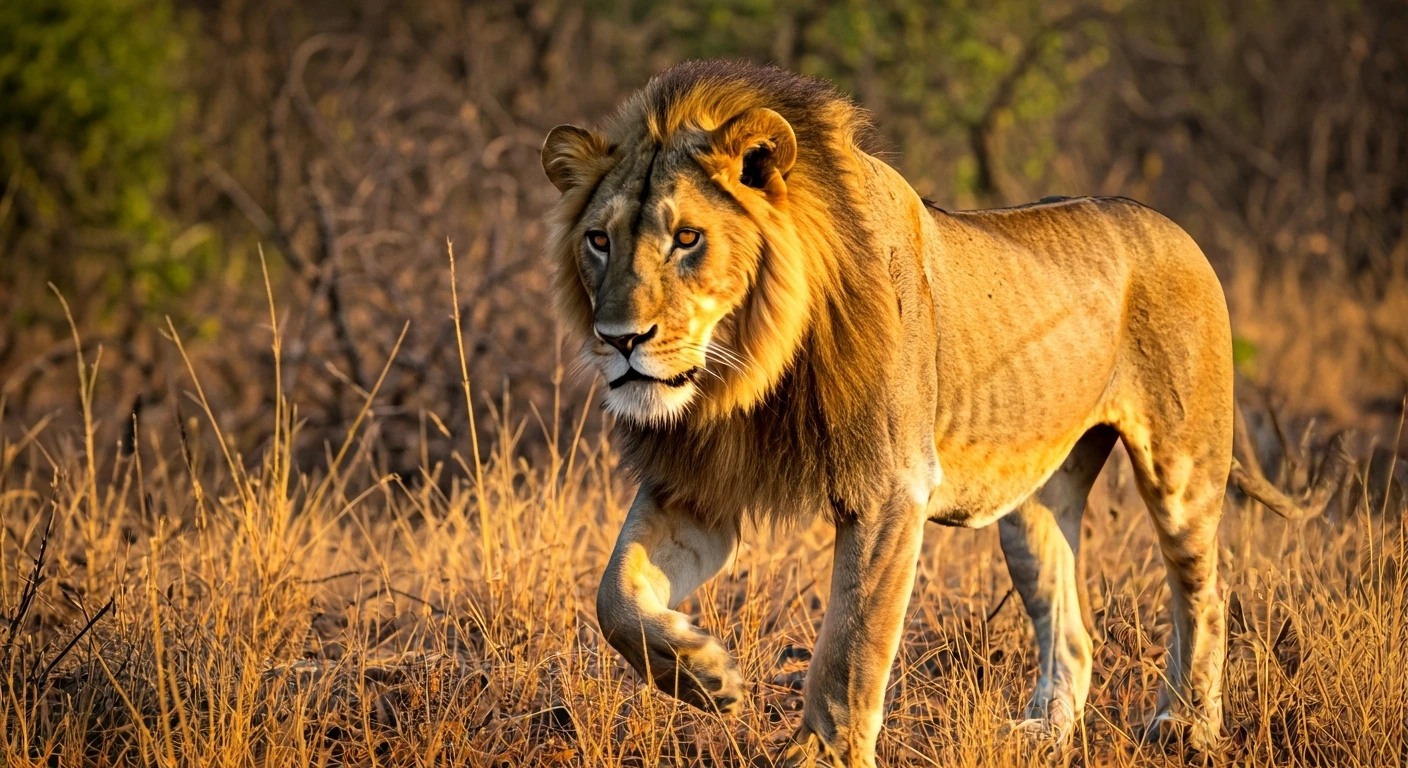
on the brink of extinction, with fewer than 20 individuals left at the turn of the 20th century, their story is now one of conservation’s greatest triumphs. Today, more than 600 of these magnificent predators thrive here. Seeing them is not just a safari; it's a living history lesson. Unlike in Africa, you won't be sharing the view with a dozen other vehicles. The experience in Gir is more intimate, a quiet, dusty search through teak forests for a glimpse of a pride resting in the shade or a lone male patrolling his territory. It’s a powerful reminder of nature’s resilience and the importance of dedicated conservation efforts.
The Monsoon Clock is Ticking
The headline's deadline is not a marketing gimmick; it's an immovable act of nature. Every year, Gir National Park closes its gates to visitors from June 16th to October 15th. This isn't arbitrary. The arrival of the Southwest Monsoon transforms the park's dusty tracks into impassable rivers of mud, making safaris impossible and unsafe. More importantly, this annual closure provides a vital four-month respite for the ecosystem. It allows the forest to regenerate without human disturbance and gives wildlife, from lions to leopards to nesting birds, the peace they need for mating and breeding. For prospective visitors, this means the first half of June is the absolute final opportunity to enter the park until the fall. The pre-monsoon heat can be intense, but it often drives lions to waterholes, increasing the chances of a spectacular sighting.
How to Plan a Last-Minute Safari
Spontaneity and a Gir safari do not mix. Planning is essential, especially this close to the deadline. All safari permits must be booked in advance through the official Gir National Park website. They are released on a rolling basis and sell out extremely quickly, so checking the portal daily is crucial. You cannot buy permits at the park gate. When booking, you will reserve a spot on a specific route for a specific time slot—either early morning or late afternoon. The park uses a lottery system to assign a guide and an open-air Maruti Suzuki Gypsy jeep, which is the only type of vehicle allowed. You'll need to present the IDs you used for booking upon entry. The main safari reception is at Sasan Gir. For a less crowded (though equally regulated) experience, you can also look for permits starting from other entry points. Be wary of unofficial tour operators promising guaranteed permits; book only through the government portal.
What to Expect in the Park
Your safari will last about three hours. A driver and a forest department-approved guide will accompany you. While the lion is the star, it’s not a zoo. Sightings are common, but never guaranteed. The thrill is in the search itself—scanning the undergrowth, listening for alarm calls from deer, and following tracks in the dust. The landscape in early June is typically dry and golden-brown, making it easier to spot wildlife. Besides lions, Gir is home to a dense population of leopards, sambar and spotted deer (chital), nilgai (blue bull antelope), wild boar, and the marsh crocodile, or “mugger.” The park is also a birdwatcher’s paradise, with over 300 species, including the crested serpent eagle and the changeable hawk-eagle. Remember to bring a hat, sunscreen, and plenty of water. The pre-monsoon heat is not to be underestimated, but the reward is an encounter with an animal that exists nowhere else on Earth.