

The End of the Showroom Aesthetic
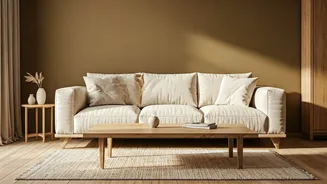
Remember the era of ultimate polish? It was defined by matching furniture sets, flawless surfaces, and a color palette so neutral it felt like it was holding its breath. Every pillow was karate-chopped, every throw blanket was artfully draped, and every object
seemed to exist purely for a theoretical photoshoot. This was the showroom aesthetic, heavily promoted by big-box stores and amplified by the first wave of home influencers. The goal was perfection—a clean, crisp, and ultimately sterile environment that could be easily replicated. But in our pursuit of flawlessness, we ironed out the very things that make a house a home: personality, history, and a sense of lived-in comfort. The mass-produced look, while accessible, began to feel generic. When everyone has the same abstract print or the same Scandinavian-inspired chair, the home stops being a personal sanctuary and starts becoming a reflection of a global supply chain.
Why We Crave the 'Perfectly Imperfect'
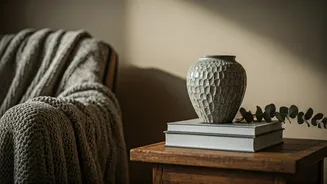
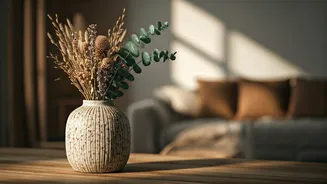
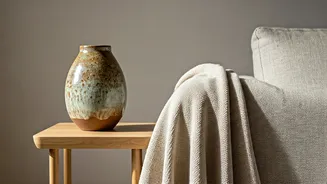
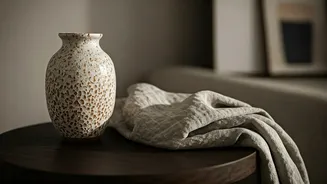
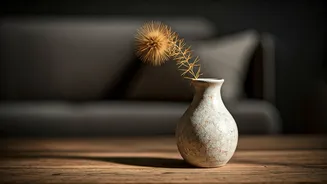
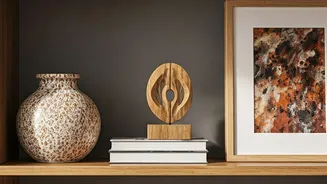
The pendulum is now swinging hard in the other direction. We're embracing what designers call the 'perfectly imperfect.' This isn’t an excuse for mess or clutter. Instead, it’s a celebration of authenticity. Think of a hand-thrown ceramic mug where you can see the potter's fingerprints, a vintage wooden bowl with a rich patina of age, or a block-printed textile where the pattern isn't perfectly aligned. These objects aren’t flawed; they are unique. The Japanese concept of *wabi-sabi*—finding beauty in imperfection and transience—is a major influence here. It teaches us to appreciate the nicks, cracks, and quirks that tell a story. In a world saturated with digitally smoothed, AI-generated, and factory-finished goods, an object that bears the mark of a human creator feels honest. It’s a quiet luxury, a small protest against the homogenized landscapes of modern consumerism. That slight wobble in a vase or the uneven glaze on a plate is no longer a defect; it's the point.
It's About Story, Not Just Style
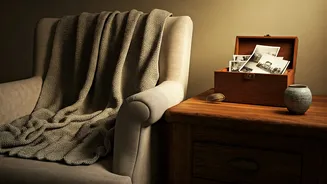
At its core, this shift is about valuing story over status. A mass-produced vase from a global chain has no narrative beyond its SKU number. But a piece of pottery bought from a local artist at a craft fair? It has a story. You remember the conversation with the maker, the feel of the studio, the reason you chose that specific piece. The same goes for a quilt inherited from a grandparent or a piece of art picked up on your travels. These items are emotional anchors in our homes. They connect us to people, places, and memories. In an increasingly disconnected, digital world, we are starved for tangible connection. Surrounding ourselves with objects that have a soul and a history is a powerful way to ground ourselves. It’s a move away from performative perfection—designing for the approval of others online—and toward a more private, meaningful relationship with the things we choose to live with every day.
How to Welcome the Handmade Home
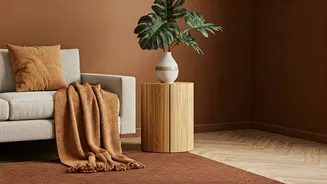
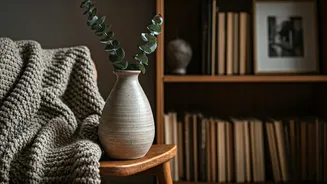
Leaning into this trend doesn't require a gut renovation or a huge budget. It's about a shift in mindset. Start small. Instead of buying another set of identical drinking glasses, pick up a few unique, hand-blown ones from a local glassblower or an Etsy artisan. When you need a new serving platter, look for a ceramicist whose work you admire. Focus on textiles—a hand-loomed rug, a naturally dyed pillow cover, or a chunky-knit blanket can instantly add warmth and texture. Mix these special pieces with your existing decor. The beauty is in the contrast between the old and the new, the sleek and the textured. Don't be afraid to display things that show their age. That slightly chipped teacup or faded wooden stool has more character than anything fresh off the factory line. The goal isn't to curate a museum but to build a layered, personal environment that evolves with you.