


First, Understand the 'Why'
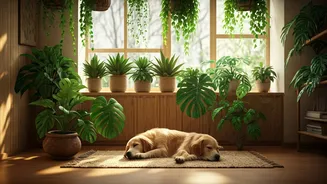
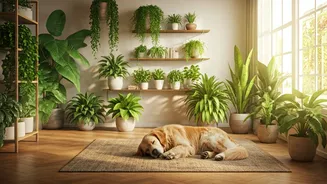
So, what exactly is a green corner? Think of it less as a random collection of houseplants and more as an intentional design choice, like an accent wall or a gallery of art. It’s a dedicated space where multiple plants are grouped together to create a lush,
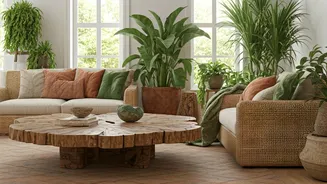
textured, and visually dynamic focal point. This trend is rooted in 'biophilic design,' the concept that connecting with nature indoors can reduce stress, boost creativity, and improve our overall well-being. By clustering plants, you’re not just decorating; you’re building a mini-ecosystem that can make your room feel calmer, fresher, and more alive. It’s a high-impact, relatively low-cost upgrade that pays you back with better air and a better mood.
Choose Your Botanical Players
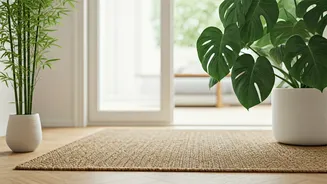
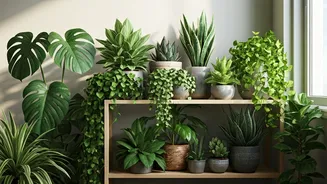
The key to a successful green corner is variety. You want a mix of plants that work together visually and thrive in the same light conditions. A good strategy is to pick an 'anchor' plant—a large, impressive specimen like a Fiddle Leaf Fig, a Monstera Deliciosa, or a tall Snake Plant. This will be the centerpiece. Then, fill in around it with smaller and medium-sized plants. For a balanced look, combine different growth habits: something tall and vertical (Snake Plant), something bushy and full (ZZ Plant, Pothos), and something that trails or vines (String of Pearls, Philodendron). If you’re a beginner, stick to famously forgiving options. Snake plants, ZZ plants, and pothos are notoriously hard to kill and tolerate a range of light conditions, making them the perfect foundational team.
Play with Height and Texture
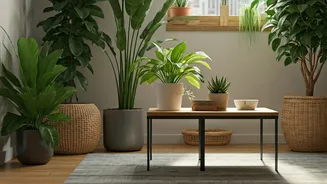
A flat arrangement of pots on the floor will look more like a storage area than a design feature. The secret to a professional-looking green corner is creating layers. Use plant stands of varying heights to elevate some of your greenery. A simple wooden stool or a sleek metal stand can instantly add dimension. You can also use bookshelves, a bar cart, or a small bench to create different levels. Mix leaf shapes and textures for maximum impact. Pair the broad, waxy leaves of a Rubber Plant with the feathery fronds of a Boston Fern or the intricate patterns of a Calathea. This contrast is what makes the corner feel rich and deliberate, drawing the eye in and encouraging it to explore.
Select the Right Pots and Planters
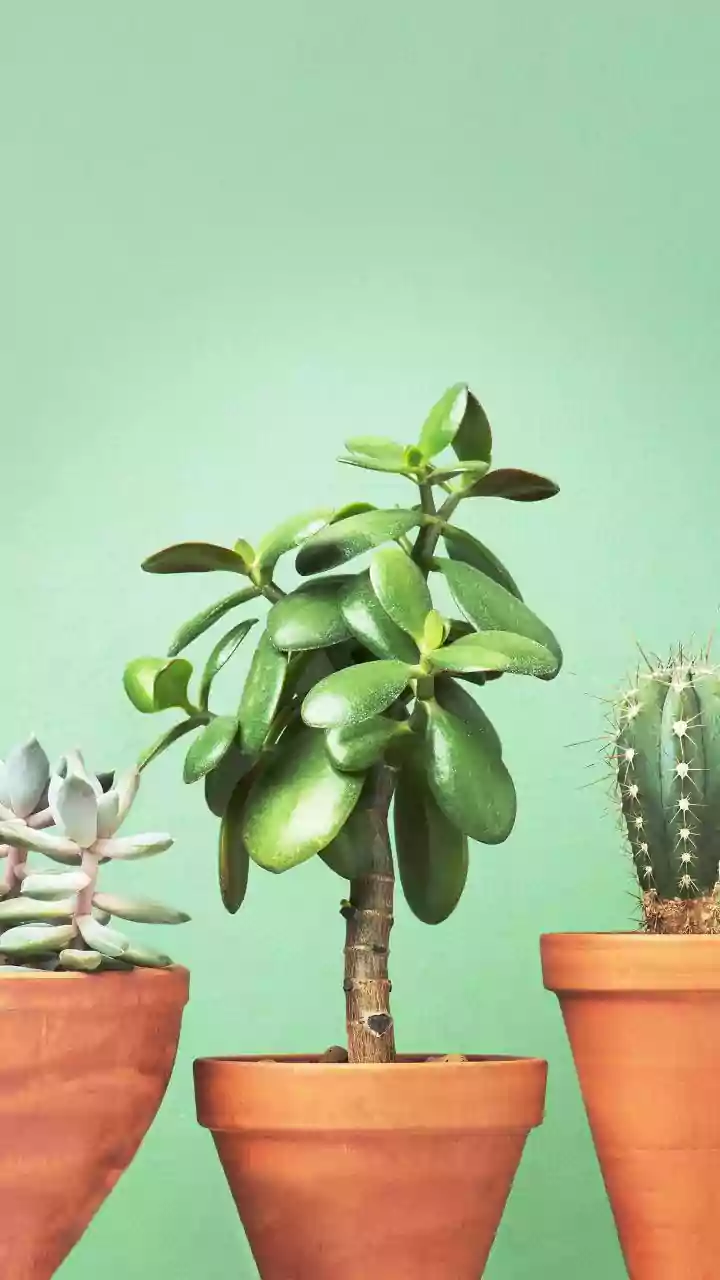
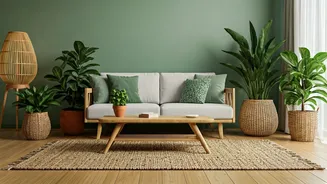
The containers are just as important as the plants themselves. This is where you can tie the green corner into your home's existing aesthetic. For a cohesive, minimalist look, you might choose pots in a single color family, like white, black, or terracotta. For a more bohemian, eclectic vibe, feel free to mix and match materials, patterns, and colors. Combine smooth ceramic pots with textured woven baskets and classic terracotta. Just ensure every pot has a drainage hole at the bottom (or is used as a cover pot for a plastic nursery pot that does). This is non-negotiable for plant health. An attractive watering can or a brass plant mister left nearby can double as a functional, stylish accessory.
Find the Perfect Real Estate
Where should your green corner live? The primary consideration is light. Most common houseplants thrive in bright, indirect light, so an empty corner near a window is often the perfect spot. North- or east-facing windows provide gentle light, while a spot a few feet away from a south- or west-facing window can prevent leaves from getting scorched. Look for underutilized spaces in your home: the awkward corner of your living room, the space next to a bookshelf, or the end of a hallway. A well-placed green corner can make a small space feel larger or a stark room feel cozier and more welcoming. It can frame a piece of furniture, like an armchair, or stand on its own as the room’s main attraction.