


The Lost Art of the Afternoon Snack
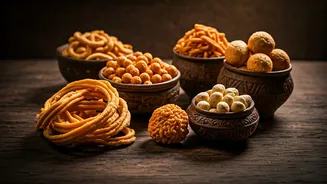
For generations, the heart of an Indian household wasn't just in its main meals, but in the intricate world of snacks. These weren't an afterthought; they were a craft. There was crispy, spiraled *murukku* for festivals, savory *mathri* to go with afternoon
tea, and sweet, layered *shankarpali* made in huge batches to last for weeks. Each region, and often each family, had its own prized recipes. But over time, the memory began to fade. As families moved to cities, lifestyles quickened, and globalized, processed snacks filled pantry shelves, the time-intensive art of traditional snack-making started to feel like a relic. The unwritten, instinct-driven recipes—a pinch of this, a handful of that—were notoriously difficult to pass down, especially across continents as the Indian diaspora grew.
Enter the Digital Gurus
This is where the humble online recipe explainer comes in. On platforms like YouTube, Instagram, and dedicated food blogs, a new generation of creators has taken on the role of cultural archivist. Armed with smartphones and a deep love for their heritage, they are meticulously documenting these fading traditions. The magic is in the format. An overhead shot demystifies the complex folding of a *khandvi* roll. A slow-motion video clarifies the exact consistency needed for perfect *chakli* dough. Measurements are no longer vague estimations but precise grams and cups, making the recipes replicable for even a novice cook thousands of miles away. Creators like the late Tarla Dalal laid the groundwork, but today's digital natives have amplified the mission, creating a vast, searchable, and visual encyclopedia of India’s culinary soul.
A Lifeline for the Diaspora
For Indian-Americans and other members of the global diaspora, this trend is more than just about food. It's a powerful tool for connection and identity. Many second- and third-generation immigrants grew up eating these snacks but never learned to make them. The ability to recreate a taste from childhood provides a tangible link to a heritage that can sometimes feel distant. It’s a way to introduce their own children to flavors that tell a story of who they are and where they come from. A weekend project of making *thekua*, a biscuit-like sweet from Bihar, becomes a lesson in history, family, and cultural pride. These videos aren't just instructions; they are invitations to participate in a living tradition, closing the gap between past and present.
Beyond Samosas and Pakoras
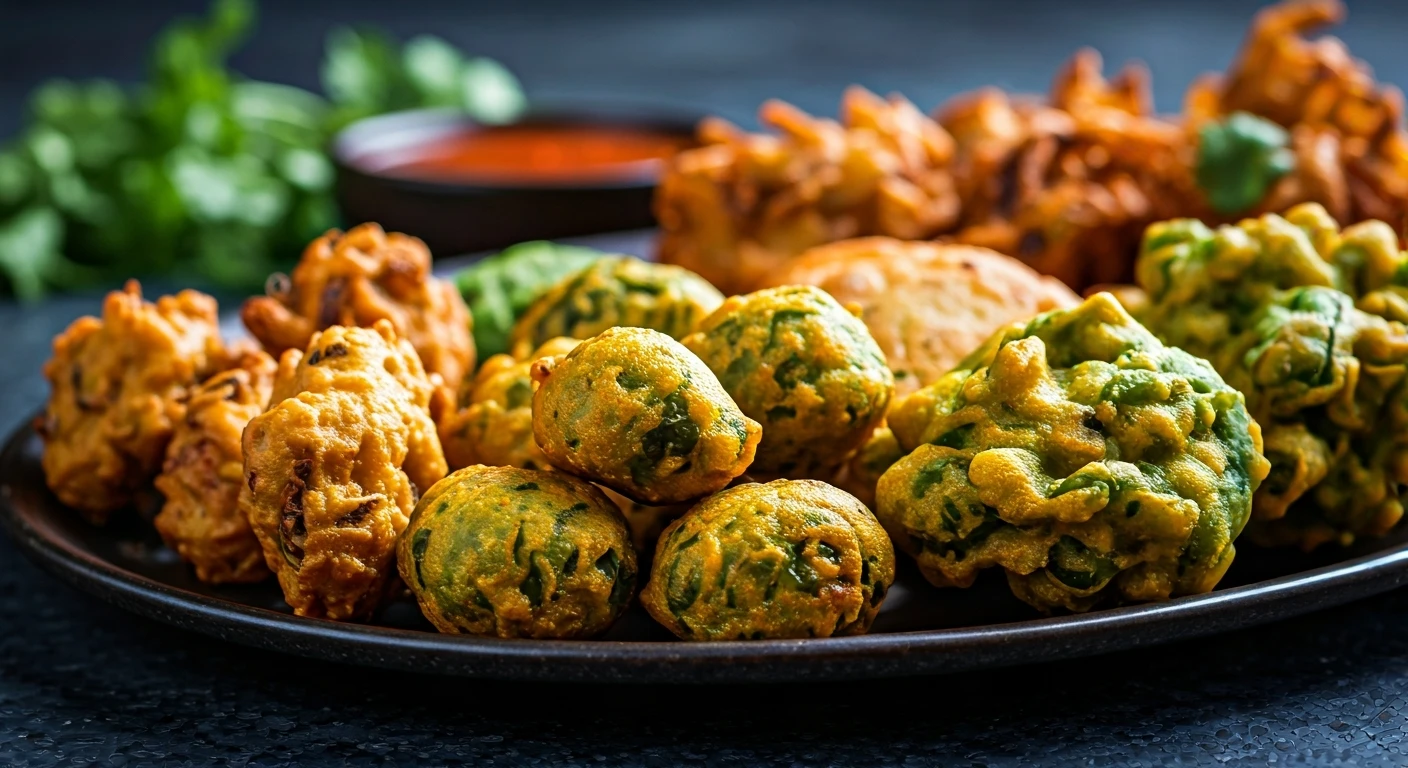
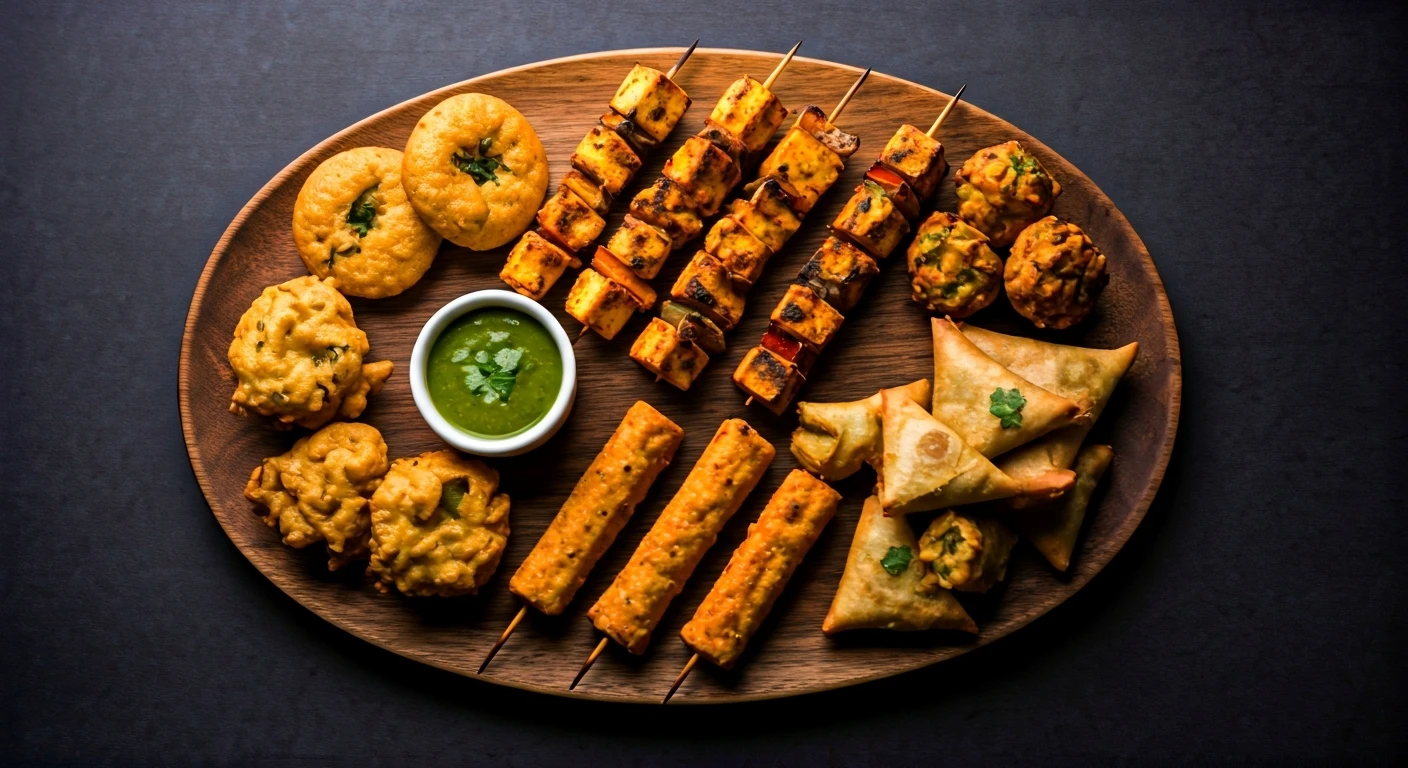
The revival is also radically expanding America’s understanding of Indian cuisine. For decades, the perception of Indian food in the U.S. has been largely confined to a handful of North Indian restaurant staples. These online explainers, however, showcase the subcontinent's staggering diversity. Viewers are discovering savory lentil cakes (*dhokla*) from Gujarat, crispy fried rice snacks (*ariselu*) from Andhra Pradesh, and flaky, savory pinwheels (*bhakarwadi*) from Maharashtra. By focusing on snacks—a category often overlooked in restaurants—these creators are presenting a more intimate, home-centric view of Indian eating. They prove that Indian food isn't just about rich curries; it's also about the crunchy, salty, sweet, and tangy bites that fuel daily life.