


The Old Guard of Travel
For decades, Indian domestic tourism followed a predictable script. Travel was often a large, multi-generational family affair, a practical pilgrimage, or a frantic box-ticking exercise through major cities. The goal was to see the monuments—the Taj Mahal,
the Gateway of India, the forts of Rajasthan—often in a whirlwind tour that prioritized quantity over quality. Accommodations were functional, food was familiar, and the experience was communal, sometimes to a fault. This was travel as an obligation or a status marker, a stark contrast to the individualistic, experience-hungry ethos emerging today.
Meet the New Explorers
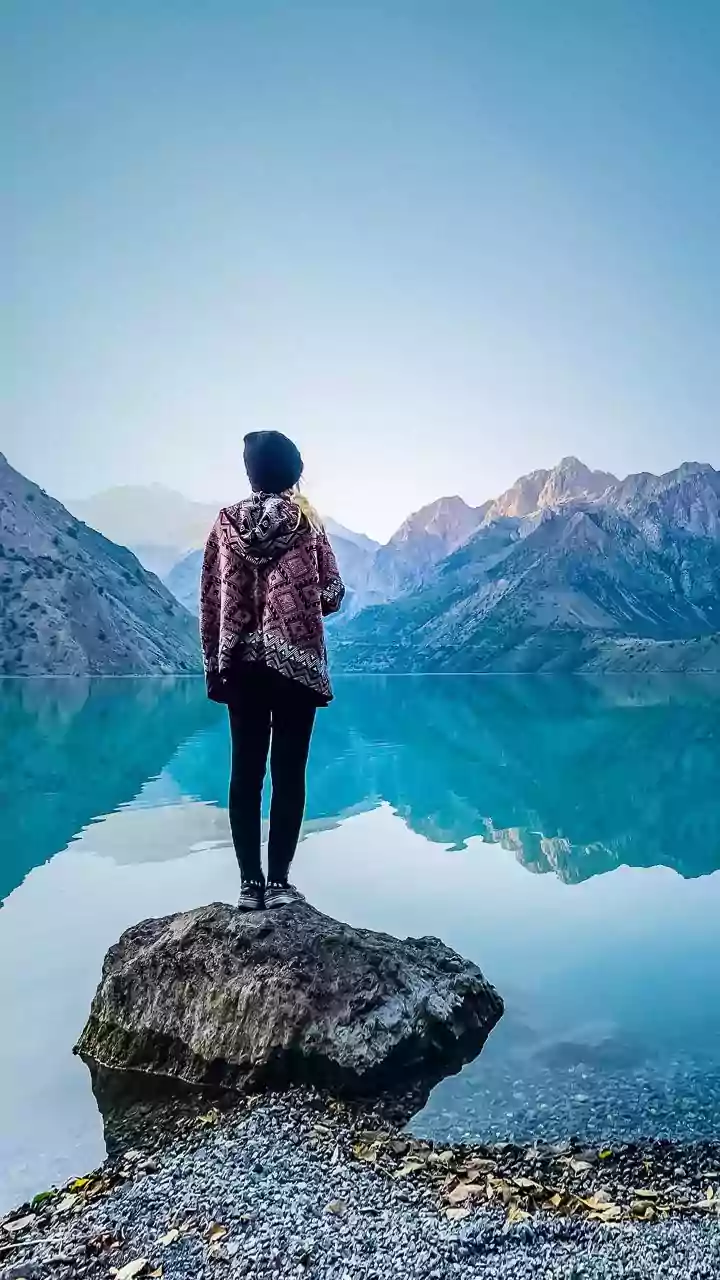
Enter India’s millennials and Gen Z. This cohort, numbering in the hundreds of millions, is more educated, digitally connected, and often wealthier than any generation before it. Raised on Instagram, Netflix, and global pop culture, their aspirations are not confined by tradition. They see travel not as a group duty but as a form of self-expression and personal growth. They earn their own money and, crucially, they want to spend it on creating memories, not just collecting passport stamps or photos. This demographic shift is the engine behind one of the biggest disruptions in the global travel industry today, with a preference for independence, spontaneity, and authenticity.
What 'Better Travel' Really Means
So, what does this new Indian traveler want? “Better” isn’t about five-star luxury in the traditional sense. It’s about value and experience. Instead of a crowded weekend in Goa, they might opt for a boutique surf camp on the quieter coast of Karnataka. Instead of a chaotic bus tour of Shimla, they’re booking a week at a remote homestay in Himachal Pradesh to learn organic farming. The focus is on depth. They seek out wellness retreats in the tranquil backwaters of Kerala, challenging multi-day treks in the Himalayas, and culinary tours through lesser-known regions. They’re flocking to music festivals in places like Ziro Valley in Arunachal Pradesh, a remote corner of the country that was once completely off the tourist map. It's a move from passive sightseeing to active participation.
The Instagram Paradox
Social media is the great accelerator of this trend. Instagram and YouTube have opened up a new visual encyclopedia of “hidden gems,” inspiring millions to look beyond the obvious. A single viral reel can turn a quiet waterfall or an unknown village into a must-visit destination overnight. Yet, this creates a paradox. The very desire to escape the crowds, amplified by social media, can create new ones. Destinations that become famous for their pristine, untouched nature can quickly become overrun, a phenomenon travelers everywhere are familiar with. This has sparked a parallel conversation among young Indians about sustainable and responsible tourism—a desire to preserve the very authenticity they seek, pushing tour operators and hotels to adopt greener, more community-focused practices.