




More Than Just a Gut Feeling
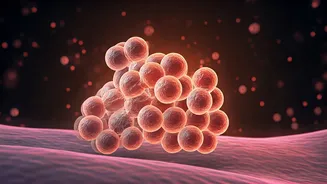
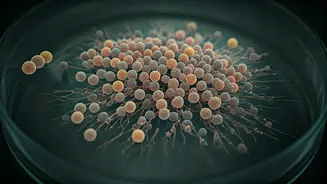
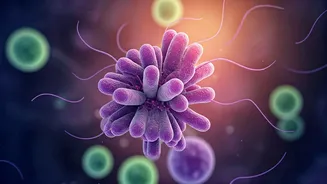
First, let's get on the same page. When people talk about "gut health," they're referring to the balance of microorganisms that live in our digestive tract. This vast, complex community is called the gut microbiome. Think of it as a bustling city inside
you, populated by trillions of bacteria, fungi, and other microbes. For decades, we thought of bacteria mostly as germs to be destroyed. But we now know that a diverse and thriving microbiome is crucial for our well-being. These tiny residents help digest our food, produce essential vitamins, and form a protective barrier against harmful invaders. So, a "gut-friendly" diet is simply one that aims to nourish this internal ecosystem, keeping the 'good' bacteria happy and in charge.
So, Why Is Everyone Obsessed Now?
The gut health boom didn't happen overnight, but it feels like it. The trend is a perfect storm of a few key factors. First, the science has exploded. Researchers are continuously publishing fascinating studies linking the state of our gut to everything from immunity and skin health to mood and mental clarity. Second, there's a growing cultural backlash against ultra-processed foods. As Americans look for more natural, whole-food alternatives, the traditional, nutrient-dense appeal of fermented foods like yogurt and kimchi has found a new audience. Finally, social media threw gasoline on the fire. Platforms like TikTok and Instagram created a space for dietitians, wellness influencers, and everyday people to share their gut health journeys, turning complex science into shareable tips and viral recipes.
The Probiotic and Prebiotic Playbook
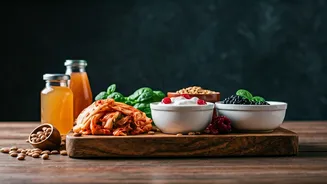
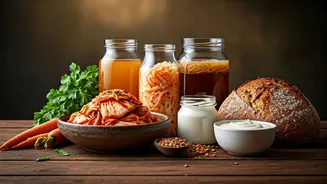
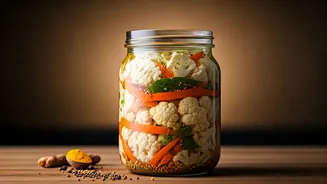
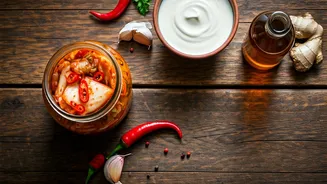
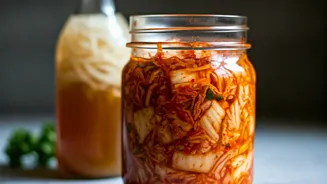
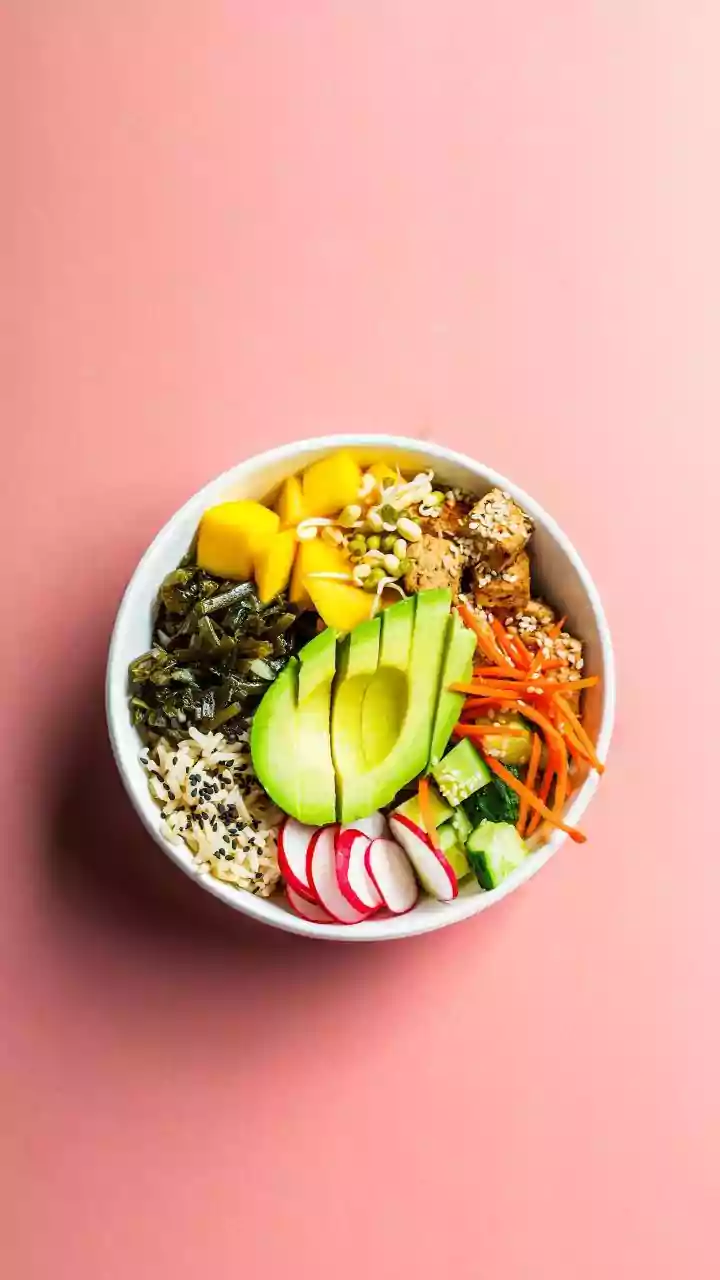
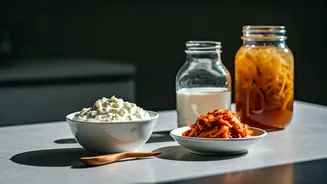
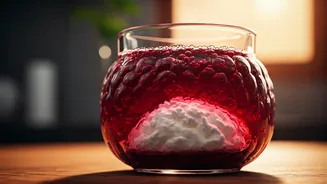
You’ve heard the words, but the difference can be fuzzy. Here's a simple breakdown. Probiotics are the 'good' live bacteria themselves. You find them in fermented foods. Think of them as reinforcements you send in to support your existing gut population. Common sources include yogurt with live active cultures, kefir (a fermented milk drink), kombucha (fermented tea), sauerkraut, and kimchi. Prebiotics, on the other hand, are the food for these good bacteria. They are types of dietary fiber that our bodies can't digest, but our gut microbes love to feast on. This helps the good guys thrive and multiply. You don't need fancy supplements to get them; they’re abundant in everyday foods like onions, garlic, bananas, asparagus, oats, and artichokes. The simple mantra is: probiotics add soldiers, prebiotics feed them.
The Gut-Brain Connection
Perhaps the most compelling reason for the trend's staying power is the discovery of the gut-brain axis. This is a two-way communication highway connecting your gastrointestinal tract and your brain. Have you ever felt 'butterflies' in your stomach when nervous? That's the gut-brain axis in action. But it goes much deeper. A significant portion of the body's serotonin—a neurotransmitter that affects mood—is produced in the gut. While the science is still evolving, studies suggest a link between gut health and conditions like anxiety and depression. This has reframed gut health from a simple digestive issue to a cornerstone of holistic mental and physical wellness. It suggests that by taking care of our gut, we might also be taking care of our mind.