



The Magic of Raw Mango
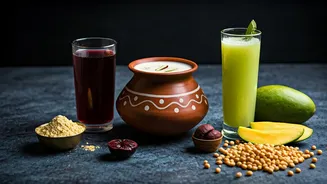
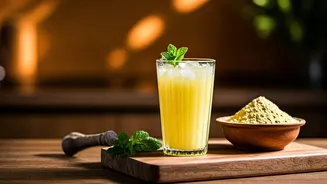
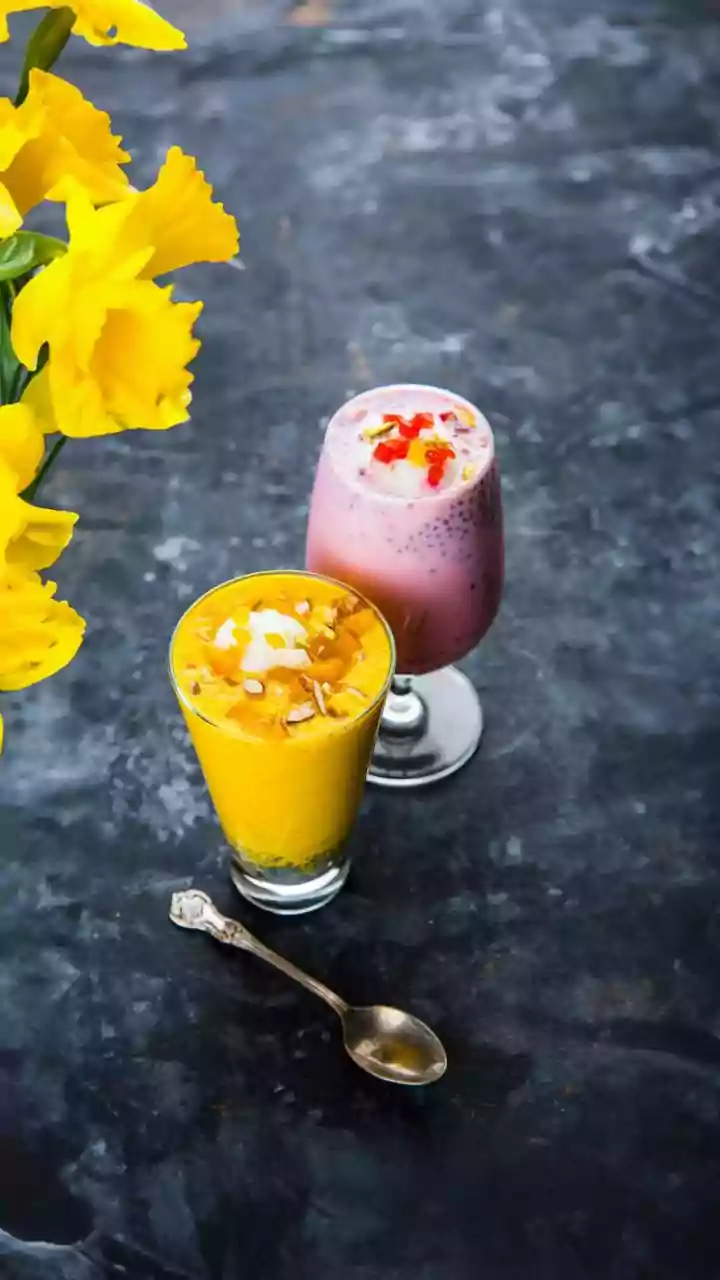
Before mangoes ripen into the sweet, golden fruit beloved worldwide, they exist in a tart, green, and powerful state. This is the hero of India's summer. The most famous application is *Aam Panna*, a spectacular drink made from boiled and pulped raw mangoes,
mixed with sugar, salt, and spices like cumin and mint. It’s not just a tangy treat; it's a traditional remedy for heat stroke. The drink replenishes electrolytes lost through sweating, and its unique sweet-and-sour profile stimulates the appetite when the heat would otherwise suppress it. This isn't just a beverage; it's a piece of seasonal, functional art that tastes like pure relief.
Yogurt Is Your Best Friend
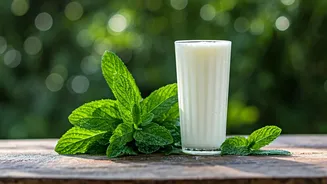
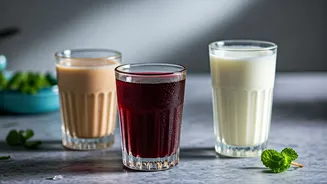
In the American mindset, yogurt is often a sweet breakfast item. In India, it’s a versatile, cooling powerhouse. During summer, savory yogurt preparations are everywhere. *Raita*, a simple mix of yogurt with chopped vegetables like cucumber or onion and a sprinkle of roasted cumin, is served alongside almost every meal. It acts as a fire extinguisher for spicy food and a coolant for the body. Then there’s *Dahi Vada*, where soft lentil fritters are soaked in creamy, lightly spiced yogurt. The dish is served chilled, offering a protein-packed, refreshing meal that’s substantial without feeling heavy or heat-inducing. The probiotics in yogurt also aid digestion, which can become sluggish in hot weather.
The Power of a Humble Flour
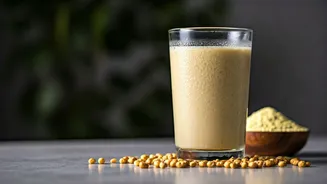
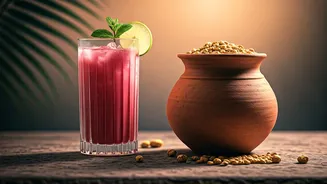
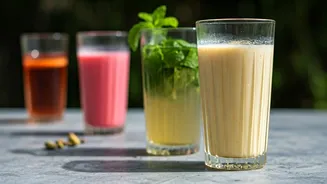
In the sweltering plains of North India, especially in states like Bihar and Uttar Pradesh, the secret weapon against summer lethargy is *sattu*. This humble, nutrient-dense flour is made from roasted chickpeas. It’s the original instant meal. Mixed with water, salt, lemon juice, and spices, it becomes a savory, hydrating drink called *Sattu Sharbat* that provides instant energy and keeps you full for hours. Because it’s made from roasted grams, it doesn’t require cooking, making it a perfect, no-heat solution. It’s packed with protein and fiber, making it a far healthier and more effective hydrator than any sugary sports drink. It’s peasant food in the best sense: simple, cheap, and incredibly effective.
Embracing Water-Rich Vegetables
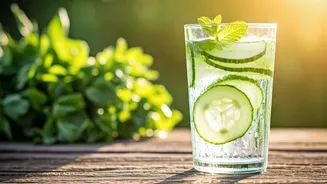
Indian summer cooking instinctively leans on produce with high water content. You'll see a surge in dishes featuring cucumber, bottle gourd (*lauki*), ridge gourd (*torai*), and ash gourd. These vegetables might seem bland to an uninitiated palate, but their genius lies in their subtlety and hydrating properties. They are often cooked into light, brothy curries with minimal spices, creating meals that are easy to digest and deeply hydrating. A simple *lauki ki sabzi* (bottle gourd curry) with a side of flatbread is a classic summer dinner—it’s comforting, nourishing, and won't leave you feeling weighed down and overheated.
Lightening the Lentils and Curries
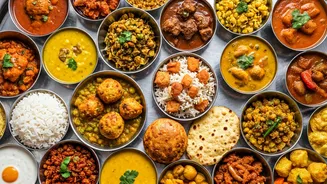
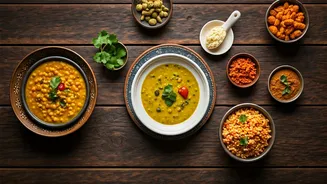
While Indian cuisine is famous for its rich, hearty curries, summer brings a noticeable shift towards lighter preparations. The heavy, creamy sauces of winter make way for thinner, more watery gravies. Lentil dishes, or *dal*, become less of a thick stew and more of a light soup, often tempered with just a touch of ghee, cumin seeds, and turmeric. In Bengal, a dish called *Panta Bhat*—fermented rice soaked in water and served with salt, chilies, and a mash of potatoes or fried fish—is a testament to eating for the climate. It’s cooling, probiotic, and provides a gentle, sustained release of energy perfect for a day of manual labor in the heat.