


The Fridge as a Status Symbol
Not long ago, the coolest thing in your fridge might have been a six-pack of craft beer or a bottle of cold-brew coffee. Today, that prime real estate is increasingly occupied by drinks promising to boost your gut health, calm your nerves, or sharpen
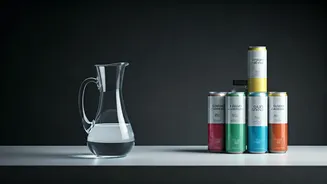
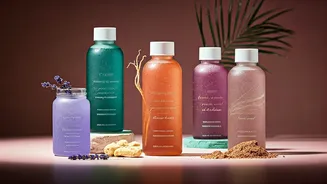
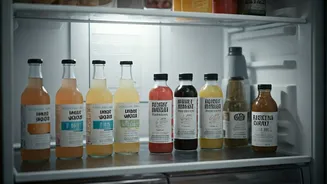
your focus. Brands like Olipop, Poppi, Recess, and AG1 have turned the humble beverage into a wellness statement. This isn't just about hydration; it's about aspiration. A well-stocked functional drink shelf has become a visual shorthand for health, self-care, and being in-the-know. In a world where wellness is the new luxury, what you drink is as much a part of your personal brand as the sneakers you wear. The casual “fridge shelfie” on Instagram is the new medicine cabinet reveal, showcasing a commitment to self-optimization one pastel-colored can at a time.
Decoding The Promises on The Can
So, what exactly are these elixirs? The term “functional beverage” covers a wide spectrum of drinks designed to deliver a specific health benefit beyond simple nutrition. They generally fall into a few key categories. First, you have the gut-health champions. Drinks like Poppi and Olipop are formulated with prebiotics and fiber, marketing themselves as healthier, gut-friendly alternatives to traditional soda. Then there are the mind-calmers. Beverages infused with adaptogens like ashwagandha or L-theanine, such as those from brands like Recess, promise to help you unwind and manage stress. On the other end of the spectrum are nootropics, or “brain-boosters,” which contain ingredients like lion's mane mushroom or ginseng and claim to enhance focus and cognitive function. Finally, there are the all-in-one meal replacements like Huel and Soylent, which offer a complete nutritional profile in a convenient, ready-to-drink format for the time-crunched professional.
From Health Food Aisle to Mainstream Cool
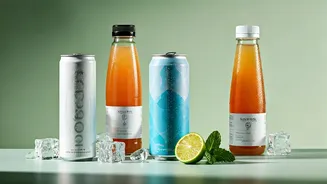
The idea of a health drink isn’t new. Kombucha had its moment, and green juices have been a staple of wellness culture for years. What’s different now is the scale, marketing, and accessibility. These new-wave nutrient drinks have shed the crunchy, health-food-store aesthetic in favor of slick, minimalist branding that looks great on a TikTok feed. They’re not just sold in specialty stores; they’re in the main beverage aisle at Target and on the menu at trendy cafes. The marketing often focuses less on dense nutritional science and more on lifestyle. It speaks to a generation burned out on hustle culture and looking for small, manageable ways to feel better. Grabbing a can that promises “calm and clarity” feels more achievable than overhauling your entire diet or starting a complex new workout regimen. It’s a low-lift, high-reward purchase that taps directly into our collective desire for quick fixes and daily moments of self-care.
A Dose of Healthy Skepticism
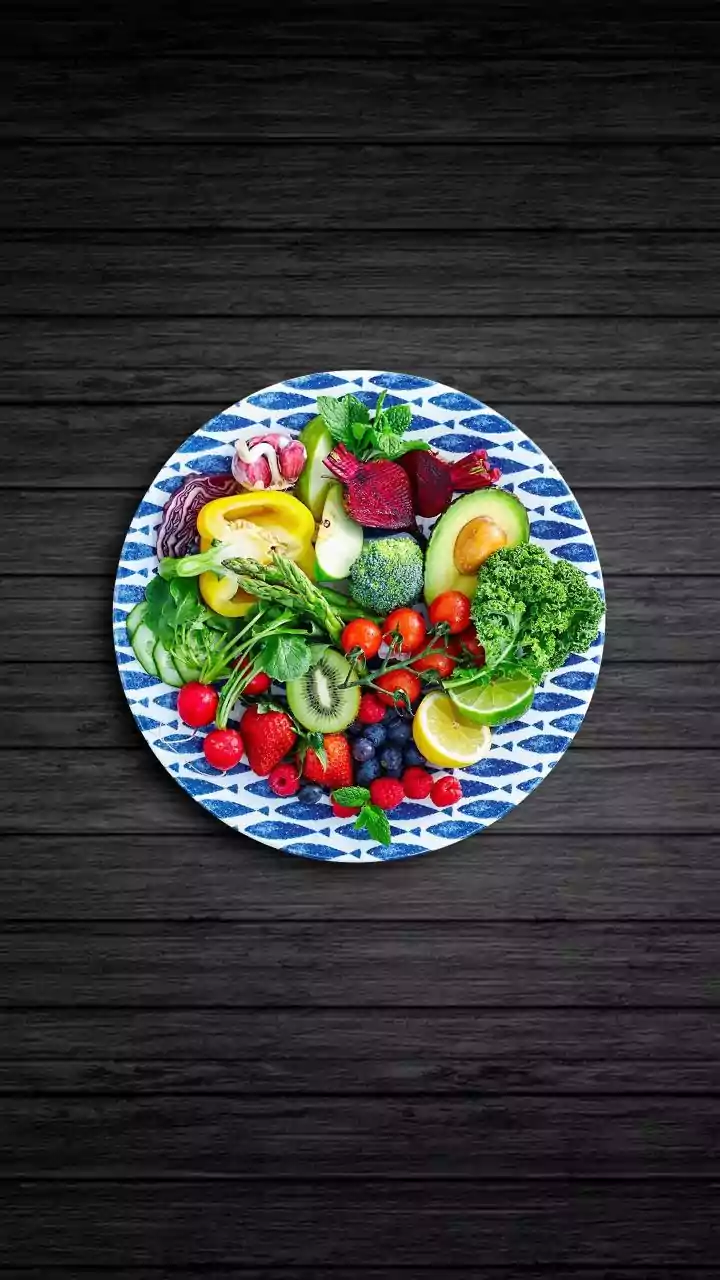
Before you replace your entire grocery budget with these trendy tinctures, it's worth adding a splash of reality. While many of these drinks contain genuinely beneficial ingredients, they are not a silver bullet for your health. Most registered dietitians would agree that no single drink can replace a balanced diet rich in whole foods. The amount of active ingredients in a single can may also be less than the dosage used in clinical studies that proved their effectiveness. However, that doesn't mean they're worthless. When viewed as an upgrade from a sugary soda or energy drink, a low-sugar, fiber-rich functional beverage is almost certainly a better choice. The key is to see them as a supplement to, not a substitute for, a healthy lifestyle. Think of them as a tool in your wellness toolkit, not the entire workshop.