
So, What Exactly Is Gulkand?
At its heart, gulkand is a simple, beautiful concept: a sweet preserve made from rose petals and sugar. Originating in the Indian subcontinent, its name comes from the Persian words ‘gul’ (flower) and ‘qand’ (sweet). But calling it just “rose jam” doesn't
quite do it justice. Traditional preparation involves slowly sun-cooking layers of specific rose petals, like the fragrant Damask rose, with sugar until they meld into a thick, gooey, incredibly aromatic concoction. The final product is a dense, almost chewy jam, deep ruby in color, with an intense floral flavor that’s far more complex than a simple rose water infusion. For centuries, it’s been a staple in Ayurvedic medicine, prized for its cooling properties and used to aid digestion and reduce body heat. Its most famous traditional role is as a key filling in paan, a post-meal digestive chew wrapped in a betel leaf.
The Journey from Paan Shop to Patisserie
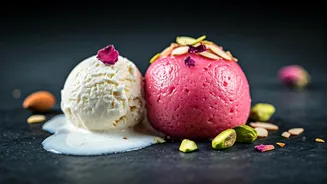
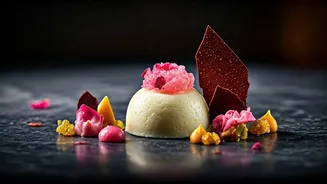
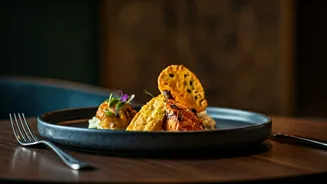
For years, gulkand was a flavor largely confined to traditional South Asian households and sweets. But a new generation of chefs and confectioners, both in India and across the U.S., are rediscovering its potential. They’re looking past its humble origins and seeing it for what it is: a powerful, natural, and utterly unique flavor agent. The leap from a paan filling to a component in a $15 dessert isn't as large as it seems. In cities like New York, San Francisco, and Chicago, innovative pastry chefs are using gulkand to add a surprising, sophisticated twist to familiar Western desserts. Think of gulkand-laced panna cotta, cheesecakes with a gulkand base, or artisanal ice creams that swirl the rose preserve with pistachios or cardamom. Even cocktails aren't immune, with bartenders muddling gulkand into gin-based sours for a fragrant, floral kick.
Why Gulkand, and Why Now?
The rise of gulkand is part of a larger, exciting trend in modern cuisine: the elevation of regional Indian flavors. Just as turmeric went from a spice-cabinet staple to the star of the golden latte, ingredients with deep cultural roots are being reinterpreted for a global palate. Gulkand hits a perfect sweet spot. Its floral notes are familiar enough to be approachable for an American audience—we understand rose as a scent—but its jammy intensity makes it feel new and adventurous. It’s also incredibly photogenic. The deep red hue and the visual of actual rose petals suspended in a dessert make it an instant Instagram star, driving curiosity and demand. For chefs, it’s a way to connect with heritage while creating something undeniably modern. For diners, it’s a passport to another culture, delivered in the comforting form of a slice of cake or a scoop of ice cream.
A Taste of Nostalgia and Novelty
The appeal of gulkand is twofold, tapping into both nostalgia and novelty. For many in the South Asian diaspora, seeing gulkand in a fancy macaron or a high-end chocolate bar is a delightful collision of worlds. It’s the flavor of childhood summers and festive occasions, now presented with gourmet flair and validation on a mainstream stage. For those unfamiliar with it, gulkand offers a new frontier in flavor. In a market saturated with vanilla, chocolate, and salted caramel, its complex floral sweetness provides a genuinely different experience. It’s a sophisticated, adult flavor that feels luxurious and special. By using gulkand, pastry chefs are not just making a tasty dessert; they are telling a story about tradition, migration, and the delicious ways cultures can blend together.