






The Concrete Jungle's Newest Residents
India is in the midst of a pet-ownership explosion. Driven by a rising middle class, increasing urbanization, and a pandemic-fueled desire for companionship, dogs are no longer just guard animals relegated to the yard; they are family members living in high-rise
apartments. This cultural shift, familiar to any American who has seen a dog in a stroller, is creating a fundamental mismatch between lifestyle aspirations and urban reality. In cities like Mumbai, Delhi, and Bengaluru, where public space is already at an extreme premium, the sudden influx of four-legged residents has nowhere to go. Sidewalks, where they exist, are often obstacle courses of vendors, pedestrians, and parked vehicles. The streets are a dangerous, high-traffic default. For a generation that sees its pets as children, the daily walk has become a source of profound stress rather than joy.
A Clash in the Commons
The natural destination should be the city park, but this is where the conflict becomes most acute. Indian parks are vital, multi-use social hubs. They are outdoor gyms for the elderly, cricket pitches for children, quiet refuges for couples, and picnic spots for families. Into this delicate ecosystem now walks a person with an energetic Labrador. The result is often tension. Many parks have outright bans on pets, while others have unclear or poorly enforced rules. Non-pet owners, often citing legitimate concerns about hygiene and safety (stemming from a long history with stray animals), can be unwelcoming. This creates a no-win situation: pet owners who break the rules are seen as inconsiderate, while those who follow them are left with no viable options for exercising their animals. The existing infrastructure forces a choice between animal welfare and community harmony, a choice no modern city should have to make.
More Than Just a Leash Law
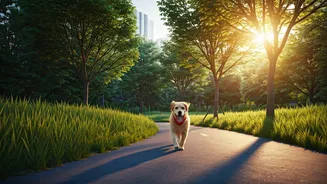
The typical American solution—a fenced-in dog park—is a good start but insufficient for India's unique challenges. These spaces are often small, static, and can become centers for canine social anxiety and territorial disputes. The headline’s suggestion of “park routes for pet runners” points to a more dynamic and integrated solution. The idea isn't just to cordon off a patch of dirt, but to weave pet-friendly corridors through the urban fabric. Imagine designated, well-lit, and cleanly maintained pathways, perhaps running along existing green belts, quieter residential roads, or the perimeters of large parks. These routes would serve a dual purpose: providing a safe and linear space for owners to run or walk with their dogs, while also channeling this activity away from the most congested areas of public parks, thus reducing conflict.
Blueprints for a Four-Legged Future
Implementing this vision is less about reinventing the wheel and more about adapting proven urban design principles. These routes would need clear signage, readily available waste disposal stations, and perhaps even water fountains for both humans and dogs. In a country known for its innovative and frugal engineering (known as 'jugaad'), the solutions could be wonderfully local. They could be sponsored by corporations as part of their social responsibility initiatives or built through public-private partnerships. The key is to reframe the conversation. This is not a frivolous amenity for a privileged few; it is a piece of essential public health infrastructure. It promotes physical activity for people, ensures the welfare of animals, and reduces social friction in shared spaces. It acknowledges that as our cities and families evolve, our civic infrastructure must evolve too.