

Summer's Golden Obsession
To understand the Delhi Mango Festival, you first have to understand India's relationship with the mango. For Americans, summer might be about barbecues and beach days. In India, summer is synonymous with this succulent stone fruit. As temperatures soar,
the arrival of the first mangoes is a national event, a sweet, fragrant antidote to the sweltering weather. The fruit, known as the 'King of Fruits,' is more than just a snack; it's woven into the fabric of daily life, childhood memories, and cultural identity. Families have fierce debates over which variety is superior—the sweet Alphonso, the fibrous Langra, or the perfumed Dasheri. It’s this deep-seated cultural passion that provides the perfect backdrop for a festival dedicated entirely to its worship.
A Festival Born of Love (and Commerce)
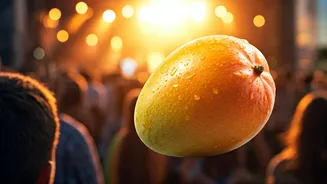
First held in 1987, the International Mango Festival (or *Aamotsav*) was created by Delhi Tourism to celebrate and promote the national fruit. While it serves a practical purpose—giving mango growers a platform to showcase their produce and boost exports—the event has evolved into a beloved cultural pilgrimage. Every year, typically in early July, thousands of people descend on a venue like the Dilli Haat, an open-air market designed to feel like a traditional village. The atmosphere is less like a sterile trade show and more like a massive, fragrant family reunion where the guest of honor comes in shades of green, yellow, orange, and red.
An Overload for the Senses
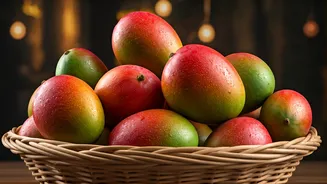
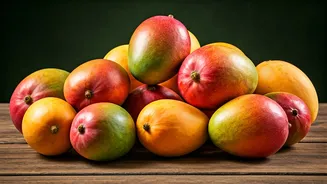
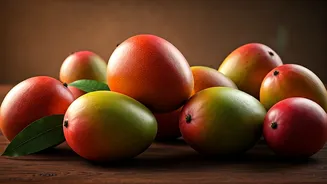
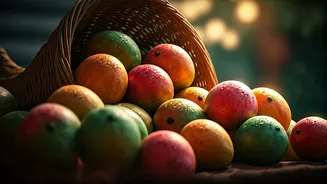
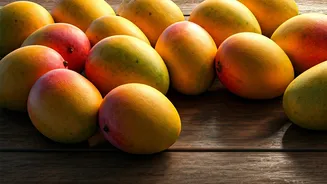
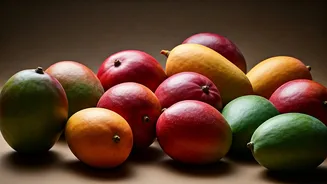
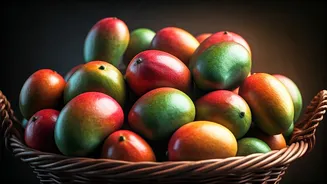
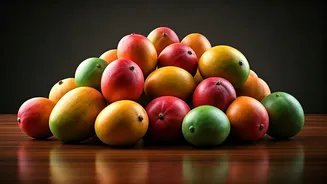
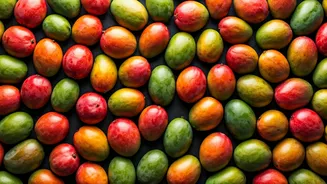
Calling it a 'tasting' would be an understatement. Imagine walking into an arena where the air is thick with the intoxicating, sweet perfume of ripe mangoes. Tables are piled high with over 500 varieties of the fruit, sourced from across the country. Some are small and round, others long and curved. Visitors can sample rare and celebrated cultivars, many of which never leave their native regions. But the festival is more than a market. It’s an interactive spectacle. There are mango-eating competitions where contestants abandon all decorum, faces dripping with golden pulp. There are mango carving displays, where chefs turn the fruit into intricate floral sculptures. Add in folk music performances, mango-themed quiz shows, and stalls selling every conceivable mango product—from chutneys and pickles to juices and ice creams—and you have a truly immersive experience.
Meet the Kings of the Show
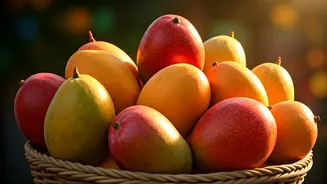
For the uninitiated, the sheer variety can be overwhelming. But this is where the education begins. You learn to distinguish the legendary players. There's the Alphonso from Maharashtra, often called the 'King of Mangoes' for its creamy, non-fibrous flesh and saffron-hued skin. You’ll find the Langra from Uttar Pradesh, with its slight tartness and greenish skin even when ripe. Then there's the Chausa, a super-sweet variety that appears late in the season, and the Dasheri, famous for its aroma and sweet fiber-free pulp. The festival is a crash course in mango connoisseurship, where growers eagerly share the stories behind their prized fruits, explaining the nuances of terroir and taste that make each one unique.
So, Is It the Best?
Comparing a mango festival in Delhi to a music festival in California or a food and wine event in Aspen is missing the point. The question isn't whether it's objectively 'the best' summer event on a global scale, but what it represents. It's one of the most authentic, joyful, and specific cultural celebrations you can find. It’s not a polished, corporate-sponsored affair designed for Instagram. It’s a slightly chaotic, incredibly vibrant, and deeply sincere expression of a nation's love for a fruit. It’s a place where the joy is simple and sensory: the taste of a perfectly ripe mango on a hot day, shared with thousands of fellow devotees. For a food lover or a cultural traveler, it’s hard to imagine a more satisfying experience.