




Beyond the Manicured Monoculture
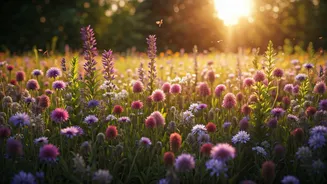
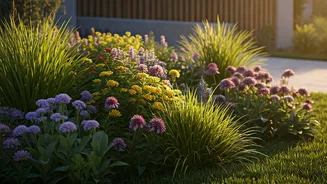
The trend is a simple but powerful one: replacing conventional, high-maintenance lawns with native plants. Instead of a single species of turf grass that offers little ecological value, homeowners are cultivating gardens filled with the flowers, grasses,
and shrubs that have grown in their region for millennia. Known by various names—rewilding, native gardening, or creating pollinator habitats—the core idea is the same: to transform a sterile patch of green into a functioning part of the local ecosystem. This isn't about letting your yard run wild with weeds. It's a curated, intentional design choice that prioritizes biodiversity and sustainability over the rigid aesthetic of a perfect, uniform lawn that often requires immense resources to maintain.
A Lifeline for Local Pollinators
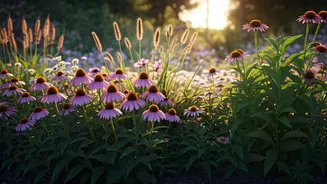
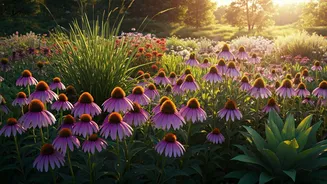
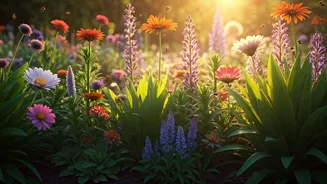
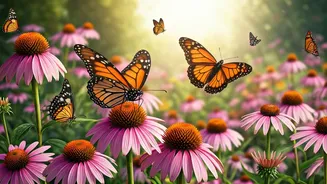
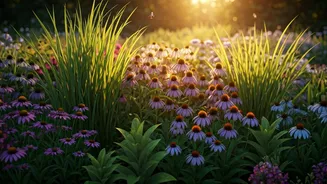
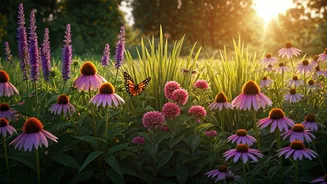
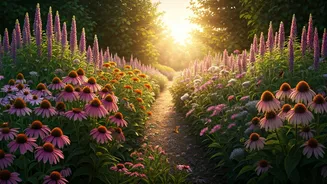
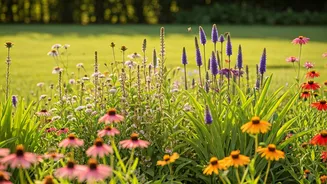
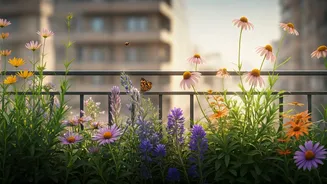
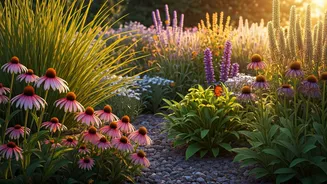
One of the most immediate and visible benefits of this shift is the return of wildlife. A standard grass lawn is essentially a food desert for bees, butterflies, and other essential pollinators. Native plants, on the other hand, are exactly what these creatures are adapted to find. They provide the right nectar, pollen, and leaves that local insect populations need to thrive. By planting species like coneflowers in the Midwest, salvias in California, or blueberries in the Northeast, you’re rolling out a welcome mat for struggling pollinator populations. According to organizations like the Xerces Society for Invertebrate Conservation, even a small patch of native plants in a suburban yard can become a vital refueling station for monarch butterflies on their long migration or provide a critical food source for native bees.
Saving Water, Time, and Money
The ecological benefits go hand-in-hand with serious practical advantages for the homeowner. Traditional lawns are notoriously thirsty. The EPA notes that landscape irrigation can account for nearly one-third of all residential water use, totaling nearly 9 billion gallons per day nationwide. Native plants, however, are adapted to your region’s specific climate and rainfall patterns. Once established, they require significantly less water, if any, beyond natural precipitation. They also don't need the constant application of chemical fertilizers or pesticides to stay healthy, as they are naturally resistant to local pests and diseases. And, of course, a yard filled with perennial flowers and native grasses doesn't need to be mowed every single week, freeing up your Saturday mornings and reducing fuel consumption and emissions from lawn equipment.
Rebuilding a Fragmented Ecosystem
While one rewilded yard is a positive step, the collective impact can be profound. In many suburban and urban areas, natural habitats have been broken into small, isolated fragments by development. A neighborhood of traditional lawns creates a vast, inhospitable barrier for countless species. But when homeowners begin converting those lawns into native habitats, they create a network of miniature nature preserves. These yards act as 'wildlife corridors,' allowing birds, insects, and even small mammals to move safely between larger green spaces like parks and nature reserves. This connectivity is crucial for maintaining healthy, genetically diverse wildlife populations. Your yard ceases to be an isolated island and becomes an active, contributing part of a larger, living landscape.
Getting Started Is Surprisingly Simple
The idea of tearing up your entire lawn can be intimidating, but you don't have to go all-in at once. Start small. Convert a difficult-to-mow patch on a slope, replace a section of grass along your driveway with native groundcover, or create a dedicated pollinator garden in a sunny spot. Many local nurseries now have dedicated sections for native plants, and organizations like the National Audubon Society offer online databases that help you find the best plants for birds and pollinators in your specific zip code. The key is to begin the process and learn as you go. Each native plant you add is a small victory for biodiversity and a step toward a more sustainable, beautiful, and interesting yard.