


From Dopamine Dressing to Quiet Confidence
For the past few years, Gen Z’s style could be defined by a kind of organized chaos. Think glittery butterfly clips, mismatched patterns, ultra-low-rise jeans, and a color palette seemingly designed to generate clicks—a phenomenon often called “dopamine
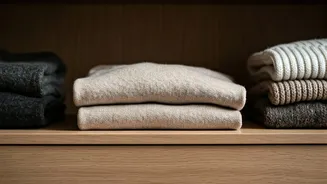
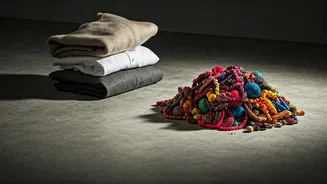
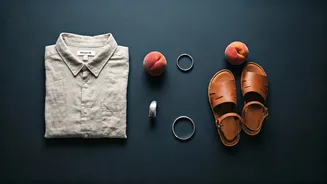
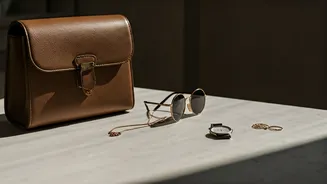
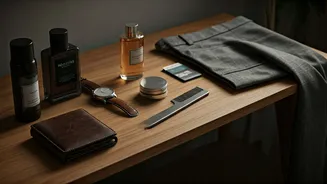
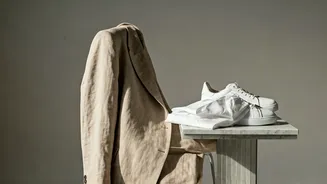
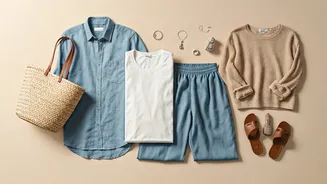
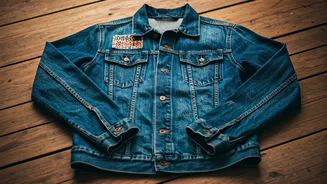
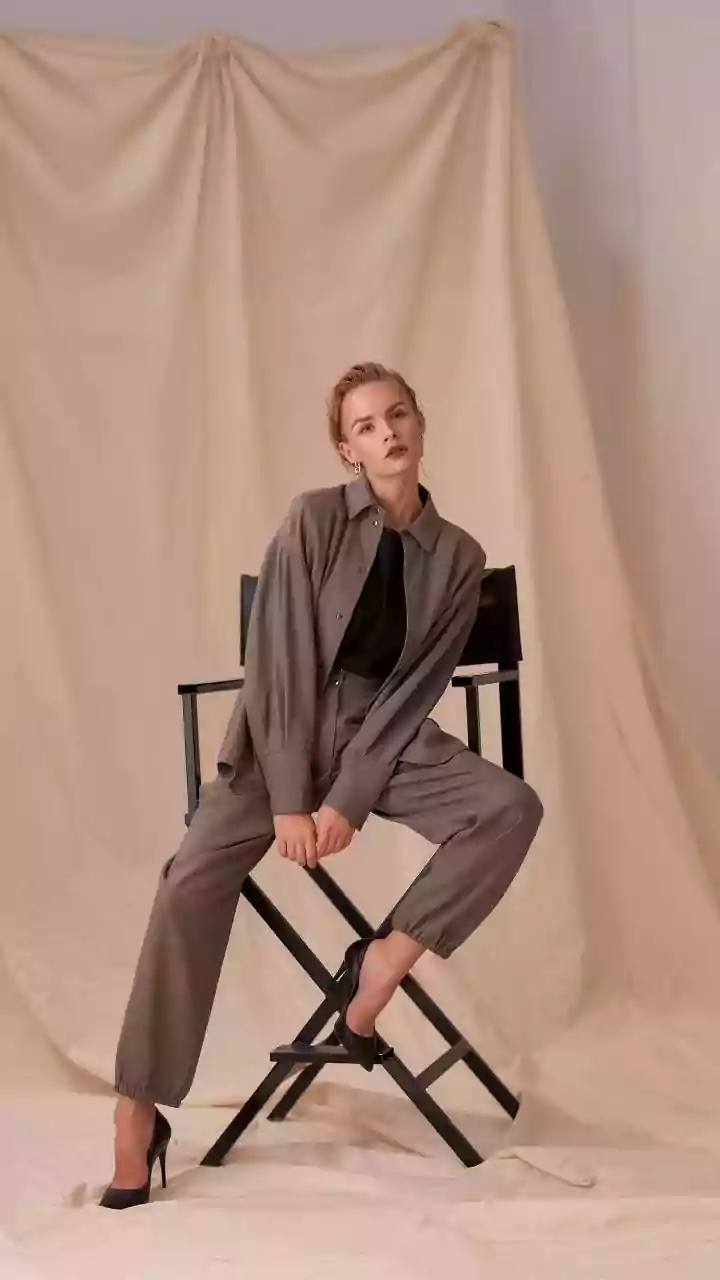
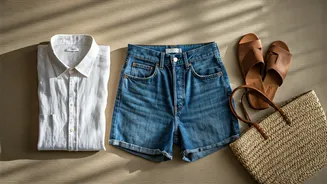
dressing.” It was fun, experimental, and perfectly suited for a 15-second TikTok video. But the pendulum is swinging back. The emerging dominant aesthetic is quieter, more considered, and built on timeless staples. We’re talking about well-fitting trousers, classic trench coats, simple crewneck sweaters, and loafers. The focus has shifted from quantity to quality, from trend-obsession to building a versatile wardrobe. This “cleaner” look favors neutral tones, classic silhouettes, and fabrics that feel good and are made to last. It’s less about screaming for attention and more about exuding a calm, collected confidence.
A Deliberate Rejection of Chaos
This stylistic pivot isn't happening in a vacuum. It’s a direct reaction to the burnout that comes from the relentless fast-fashion cycle and the visual overload of social media feeds. The constant pressure to keep up with an endless stream of micro-trends (Is it coastal grandmother, coquette, or weird girl winter this week?) is exhausting and expensive. Adopting a cleaner, more minimalist wardrobe is an act of rebellion in itself. It’s a way of saying “no” to the algorithm that demands constant newness. By focusing on classic pieces, young people are creating a personal uniform that transcends fleeting hype. It offers a sense of control and stability in a world that often feels chaotic and overwhelming. In a way, a clean, simple outfit is a form of visual deep breathing—a calm moment in a very loud digital landscape.
The Allure of the 'Old Money' Mirage
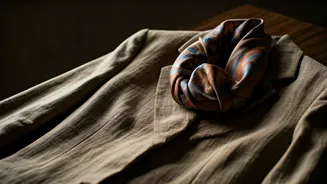
You can’t talk about this shift without mentioning the powerful influence of aesthetics like “quiet luxury” and the “old money” look. Popularized on platforms like TikTok, these trends romanticize the idea of inherited wealth, where status isn't signaled by flashy logos but by the subtle quality of a cashmere knit or the perfect cut of a blazer. For most of Gen Z, this isn't about pretending to be a Vanderbilt. Instead, it’s about aspiring to the values that aesthetic represents: timelessness, durability, and understated elegance. In an era of economic uncertainty and gig-economy precarity, the appeal of looking like you have your life together is stronger than ever. Dressing this way is a form of aspirational world-building, projecting an image of security and savvy that feels both comforting and empowering.
What 'Sharper' Really Means
When we say this new way of dressing makes Gen Z look “sharper,” it’s not just about the crisp lines of a collared shirt. “Sharper” implies a new level of intentionality and maturity. The Y2K revival, for all its nostalgic charm, often leaned into a playful, almost juvenile aesthetic. The cleaner look, by contrast, is decidedly more adult. It’s the difference between dressing for a party and dressing for a life. This style requires more thought upfront—understanding fit, fabric, and what truly works for your body and lifestyle—but offers more ease in the long run. It projects competence and purpose. It’s a visual signal that you’ve moved past the experimental phase and are now building a lasting sense of self. This polished presentation is less about conforming and more about curating a strong, clear personal brand in the real world, not just online.