


More Than Just Okra
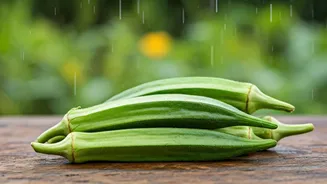
While botanically they are one and the same (Abelmoschus esculentus), calling it 'bhindi' is more than just a linguistic switch. It taps into a deep well of culinary and cultural history across India, Pakistan, and Bangladesh. In the U.S., okra is often
typecast by its association with Southern cuisine, particularly gumbo and fried preparations, and sometimes unfairly maligned for its mucilaginous texture. But for hundreds of millions, 'bhindi' evokes an entirely different world: fragrant, spiced stir-fries (bhindi masala), crispy fried snacks, and tangy stews. It’s a vegetable celebrated for its versatility and flavor-absorbing qualities, a staple of home cooking that tastes like comfort and tradition.
The Rainy Season Secret
The headline's mention of the “rainy season” is the key to understanding why bhindi is so well-suited for American summers. The monsoon season in South Asia is defined by two things: heat and regular moisture. Okra thrives in these exact conditions. It’s a tropical plant, a member of the mallow family alongside cotton and hibiscus, that loves sun and consistently damp soil. While the U.S. doesn’t have a literal monsoon, the hot, humid summers of the American South, Midwest, and East Coast provide a perfect proxy. The season that makes many gardeners despair over wilting lettuces and bolting herbs is precisely when bhindi hits its stride, producing prolifically when other vegetables struggle. It’s a low-maintenance, high-reward crop for the dog days of summer.
A Taste of Home in the Backyard
The rising interest in growing bhindi is also a story about diaspora and identity. For many South Asian immigrants and their families in the United States, planting a few rows of bhindi is an act of cultural preservation. It’s a way to recreate the specific flavors of home that can’t quite be matched by store-bought produce. Finding the right tender, young pods at a grocery store can be a challenge. Growing it yourself guarantees a perfect harvest. This trend is part of a larger movement of gardeners seeking out heritage seeds to cultivate vegetables that connect them to their roots, whether it’s Italian families growing specific varieties of tomatoes or Mexican families planting tomatillos and unique chile peppers. The backyard garden is becoming a delicious link to personal history.
Your Guide to Growing Bhindi
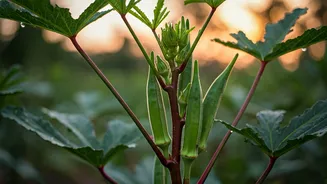
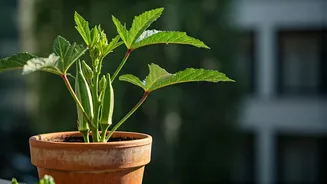
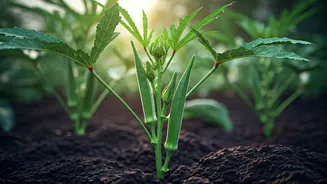
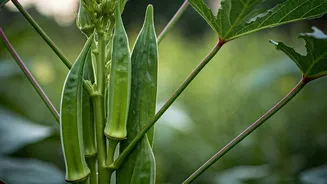
Ready to give it a try? Bhindi is surprisingly easy to grow. Start with the seeds, which have a tough coat; soaking them in warm water overnight before planting will speed up germination. Plant them directly in the garden about 1/2 to 1 inch deep once the soil has warmed to at least 65°F—typically a few weeks after your last frost date. Give them the sunniest spot you have, as they need at least six to eight hours of direct sunlight. Space plants about 12-18 inches apart to ensure good air circulation. Water them regularly, especially during dry spells, to keep the soil consistently moist but not waterlogged. Soon, you’ll see beautiful, hibiscus-like flowers, which are quickly followed by the edible pods.
Harvesting and Enjoying Your Crop
The most important trick to delicious bhindi is harvesting at the right time. The pods grow incredibly fast, and what was a perfect 3-inch pod yesterday can be a tough, woody 6-incher tomorrow. Check your plants daily and harvest pods when they are young and tender, usually between 2 to 4 inches long. Use a knife or pruning shears to cut the stem just above the pod. Frequent harvesting also encourages the plant to produce more. Once in the kitchen, you can sidestep the 'slime' factor by cooking it quickly over high heat (as in a stir-fry), roasting it until crisp, or frying it. A quick sauté with onions, tomatoes, and spices like turmeric and cumin will give you a simple, classic bhindi sabzi that shows exactly why this vegetable is having its moment.