





1. The 10-Minute Soak for Supreme Softness
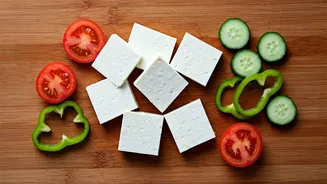
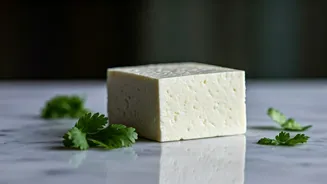
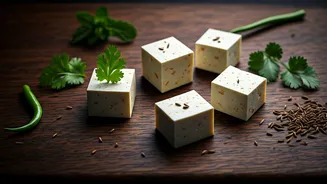
The cardinal sin of paneer is serving it dry, rubbery, and squeaky. Often, this isn't the paneer's fault but a result of skipping one crucial step: a quick soak. Before you do anything else, cut your block of paneer into cubes or slabs and submerge them
in a bowl of warm, lightly salted water for about 10 to 15 minutes. This simple hack rehydrates the cheese, transforming its texture from firm and dense to tender and creamy. The warmth softens the milk solids, ensuring every bite is succulent, whether you’re pan-frying it or adding it to a curry. After soaking, pat the pieces completely dry with a paper towel. This prevents splattering in the pan and helps you achieve a better, crispier crust.
2. Master the High-Heat Sear
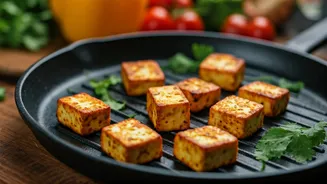
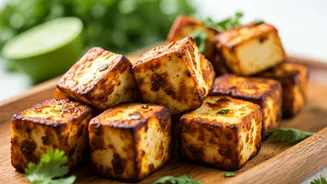
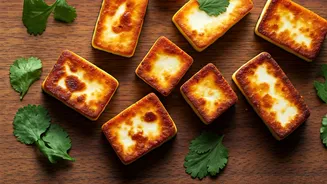
If your paneer sticks to the pan or turns into a greasy mess, your heat is probably too low. Paneer needs a confident, high-heat sear to develop that beautiful, golden-brown crust. Use a heavy-bottomed skillet—cast iron is perfect—and get it screaming hot before you add your fat. A neutral oil with a high smoke point, like grapeseed or avocado oil, is ideal, but a touch of ghee adds incredible nutty flavor. Don't overcrowd the pan; cook the paneer in batches if necessary. Place the patted-dry cubes in a single layer and, most importantly, leave them alone. Let them sizzle for a good 2-3 minutes before flipping. This allows a proper crust to form, which not only tastes amazing but also prevents the cheese from sticking.
3. Marination Is Non-Negotiable
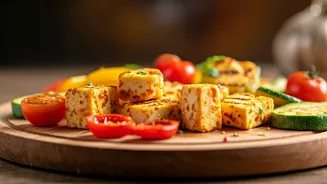
On its own, paneer has a mild, milky flavor. It’s a delicious but relatively blank canvas, which makes it the perfect vehicle for bold marinades. Unlike meat, paneer doesn't need to marinate for hours. A 20-30 minute soak is plenty of time for it to absorb flavor. The key is a thick, yogurt-based marinade. The yogurt tenderizes the cheese while helping the spices cling to its surface. A classic combination includes full-fat Greek yogurt, ginger-garlic paste, turmeric, garam masala, cumin, and a squeeze of lemon juice. Don’t be shy with the salt, as it helps draw out moisture and draw in the flavors. Coat the cubes generously and let them rest before cooking. This step single-handedly elevates paneer from a simple ingredient to the star of the dish.
4. Embrace the Grill Without Fear
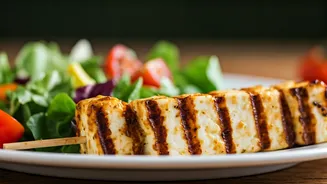
Here's where paneer truly shines in the summer: it’s a vegetarian’s dream on the grill. Because it's an acid-set cheese, it has a high melting point. It won’t ooze through the grates like mozzarella or cheddar. To set yourself up for success, cut the paneer into large, thick slabs or cubes (at least 1-inch thick) so they don’t fall through. Marinate them first, as the oil in the marinade will help prevent sticking. Thread the cubes onto skewers with colorful bell peppers and onions for classic paneer tikka, or grill thick slabs whole like steaks. Grill over medium-high heat for a few minutes per side, just until you get those gorgeous char marks. The result is a smoky, savory bite with a delightfully chewy interior.
5. Think Beyond the Cube
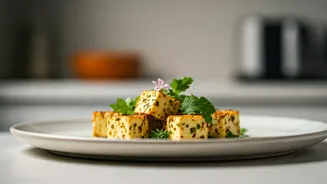
Cubed paneer is classic, but it’s not the only way. For a completely different texture, try crumbling it. This works especially well for dishes where you might otherwise use ground meat or scrambled eggs. Simply use your fingers or a fork to break the block of paneer into small, irregular pieces. Sauté the crumbles with onions, tomatoes, and spices for paneer bhurji, a savory scramble that’s fantastic with toast or roti. Or, brown the crumbles and use them as a protein-packed filling for tacos, lettuce wraps, or stuffed bell peppers. This method maximizes the surface area, allowing the cheese to get extra crispy and absorb even more flavor from your seasonings.
6. Use It Fresh in Salads
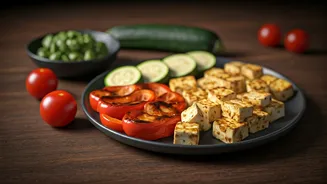
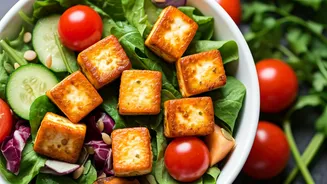
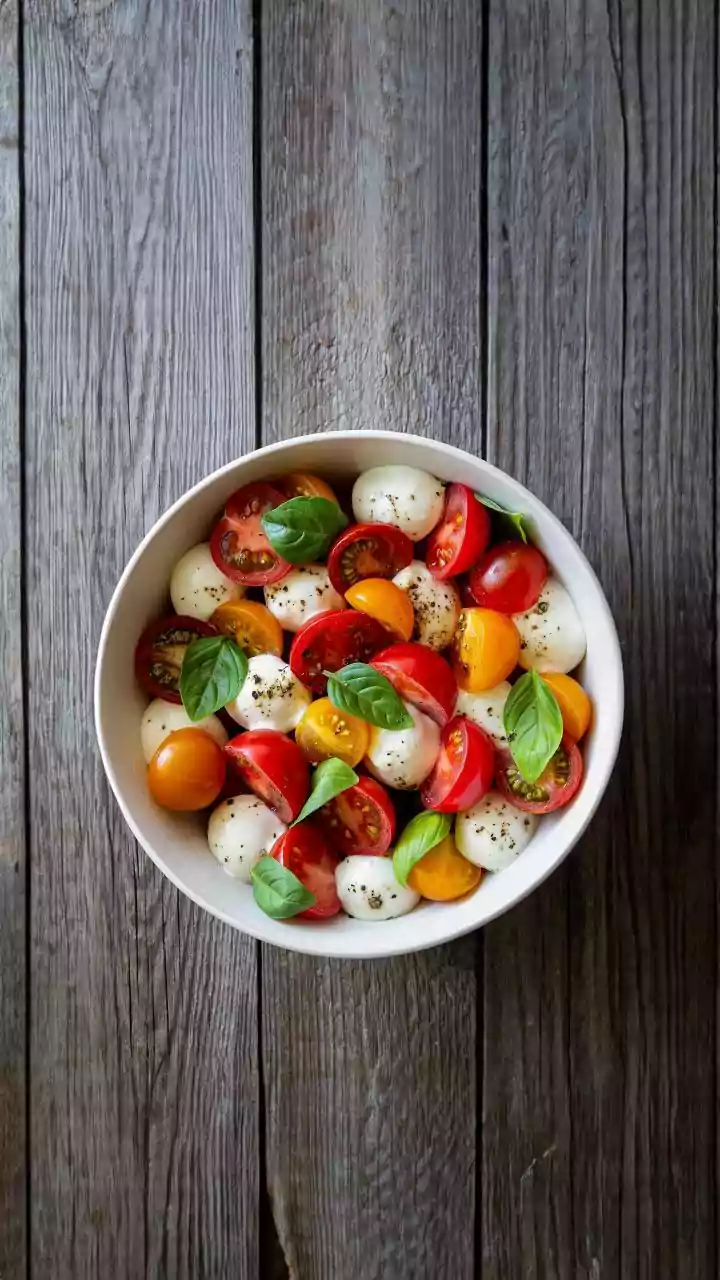
While cooking paneer is the most common preparation, its fresh, milky flavor and firm texture make it a wonderful no-cook addition to summer salads. Think of it as a heartier, more satisfying substitute for mozzarella or feta. Cut small cubes of fresh paneer and toss them into a watermelon and mint salad for a surprising and refreshing combination. It pairs beautifully with crunchy cucumber, juicy tomatoes, and a light vinaigrette. Because it's not intensely salty like feta, it complements other ingredients without overpowering them. It's a quick, easy way to add protein and substance to a light summer meal without ever turning on the stove.