






The Foundation: Master Your Hydration
We all know we should drink more water when it's hot, but the summer sun demands a more strategic approach than just occasionally refilling a bottle. As temperatures rise, your body’s primary cooling mechanism—sweat—goes into overdrive. This process expends
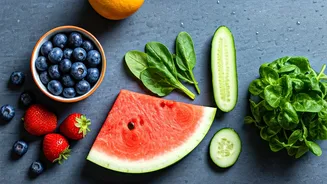
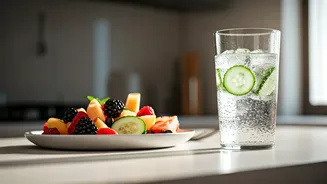
a significant amount of water and crucial electrolytes like sodium and potassium, which are essential for nerve function and muscle control. Mild dehydration, long before you feel truly thirsty, can lead to headaches, fatigue, brain fog, and irritability—symptoms that can easily ruin a perfect beach day or backyard barbecue. The classic “eight glasses a day” is a starting point, but your needs will increase with heat, humidity, and activity. A better gauge is the color of your urine; pale yellow is the goal. Don't wait until you're thirsty to drink. Instead, make hydration a constant, gentle habit. Carry a water bottle everywhere. Set reminders on your phone. And remember that water isn't the only source. Foods like watermelon, cucumber, strawberries, and cantaloupe are packed with water and can contribute significantly to your daily intake. For intense activity or excessive sweating, consider an electrolyte drink or a pinch of salt and a squeeze of lemon in your water to replenish what you’ve lost.
The Regulator: Protect Your Sleep
Summer’s extended daylight hours and packed social calendars can quietly sabotage our sleep. We stay out later, the sun rises earlier, and the heat can make it difficult to get comfortable. Yet, quality sleep is the non-negotiable regulator of our mood, energy, and immune system. When we’re sleep-deprived, we’re less resilient to heat stress, more prone to making poor food choices, and less likely to have the energy for the very activities that make summer special. To combat summer’s sleep disruptors, you need to actively manage your sleep environment. Your body’s core temperature needs to drop slightly to initiate and maintain sleep. If your bedroom is hot, use fans, air conditioning, or open windows to create a cool space. Lightweight, breathable bedding made from cotton or linen can make a world of difference. Next, control your light exposure. The late-evening sun can delay your body’s production of melatonin, the sleep hormone. Use blackout curtains to create a dark sanctuary for sleep and try to dim indoor lights an hour before bed. While it's tempting to cram your schedule, try to maintain a relatively consistent wake-up time, even on weekends, to keep your internal clock on track.
The Fuel: Rethink Your Summer Meals
Heavy, rich, and complicated meals just don't feel right in the summer heat. This is the body’s way of telling us to adjust our fuel source for the season. Digestion generates heat, and processing a large, fatty meal can make you feel even hotter and more lethargic. Summer is the perfect time to embrace lighter, fresher, and simpler ways of eating that work with the weather, not against it. Take advantage of the season's bounty. Farmer's markets are overflowing with produce that is not only delicious but also hydrating and nutrient-dense. Build your meals around grilled lean proteins (like chicken or fish), vibrant salads, and an abundance of fresh fruits and vegetables. Grilling is a fantastic summer cooking method because it adds flavor without heavy fats and keeps the heat out of your kitchen. Think about meals that require minimal cooking: gazpacho, hearty grain salads with chickpeas and herbs, or wraps filled with crunchy vegetables and hummus. Eating this way isn't about restriction; it’s about aligning your diet with the season to maximize energy, support hydration, and keep you feeling light and ready for any adventure.