





Understanding the Monsoon Mood
For many Americans, “monsoon” might just be a word for a heavy downpour. But in South Asia, it’s an entire season that defines the rhythm of life for months. After a period of searing, oppressive heat, the monsoon arrives with dramatic gray skies, torrential
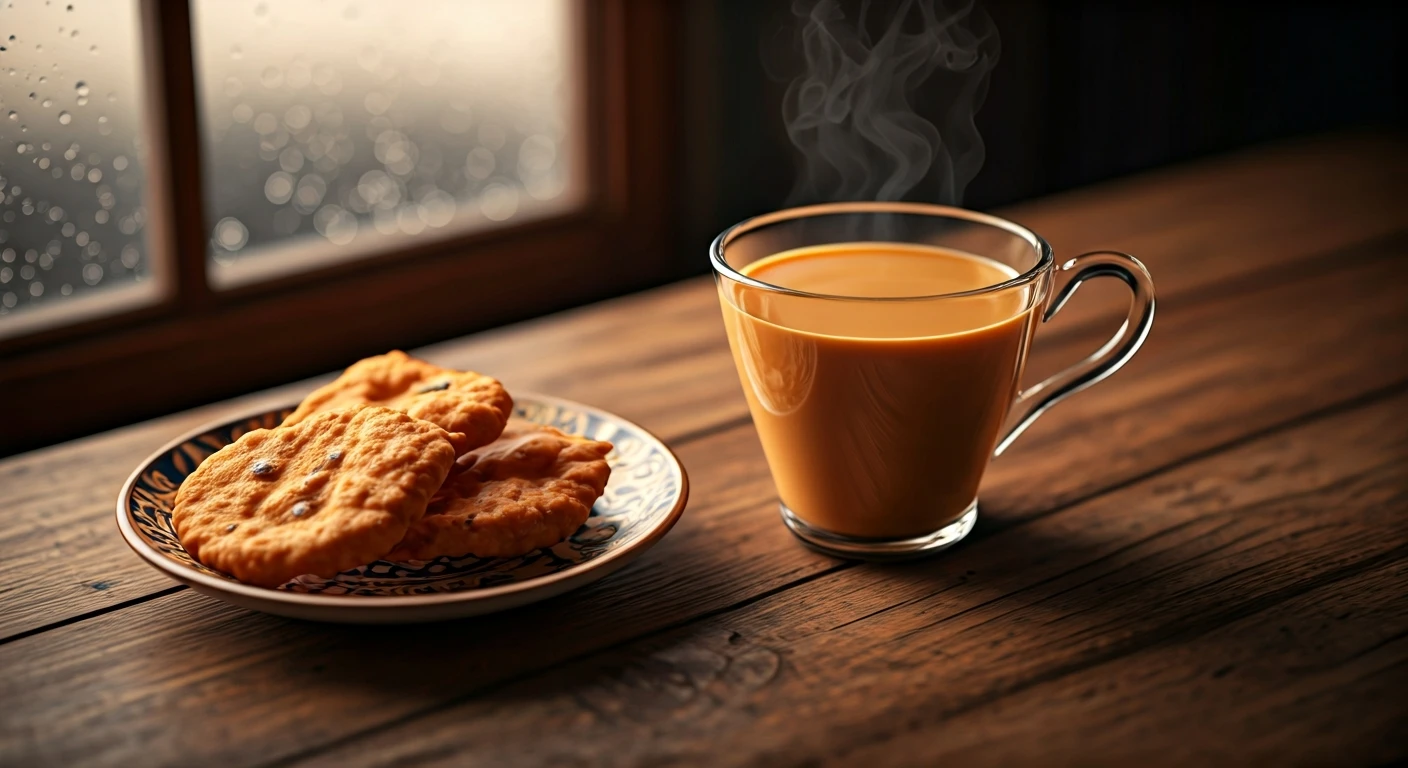
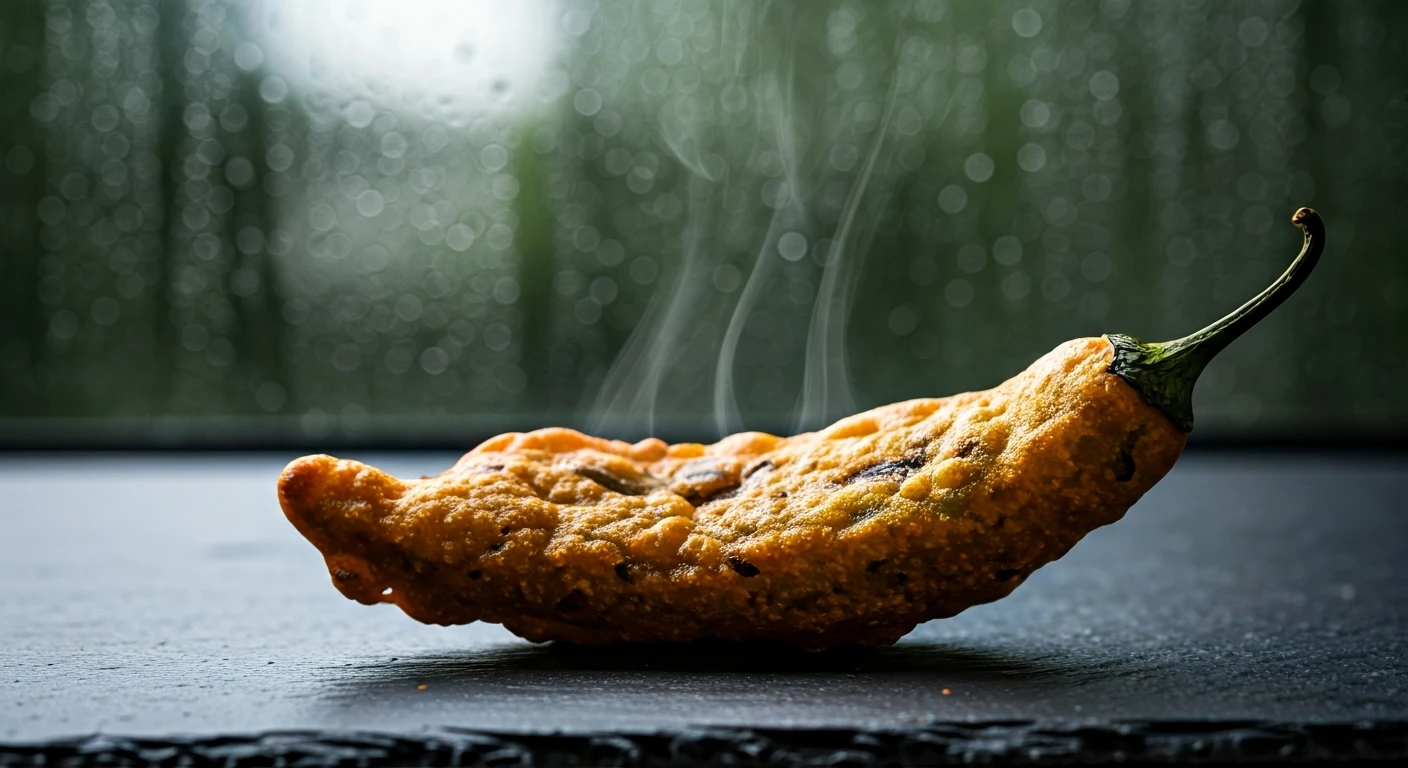
rains, and a pervasive dampness that seeps into everything. While the relief from the heat is welcome, the weather can also bring a sense of sluggishness and gloom. The air is thick, the sun is a rare visitor, and the constant patter of rain becomes the soundtrack to daily life. It’s a time for introspection, for staying indoors, and for craving food that feels like a warm hug from the inside out. This is the emotional and sensory landscape where the argument for warm dal-rice over cold leftovers is won before it even begins.
Enter: The Ultimate Comfort Food
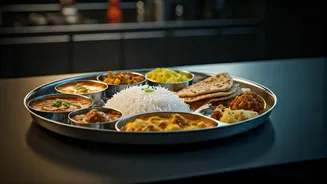
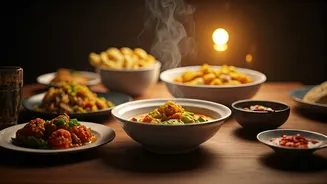
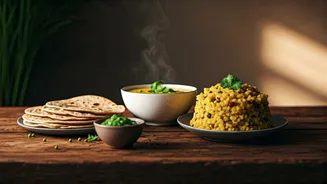
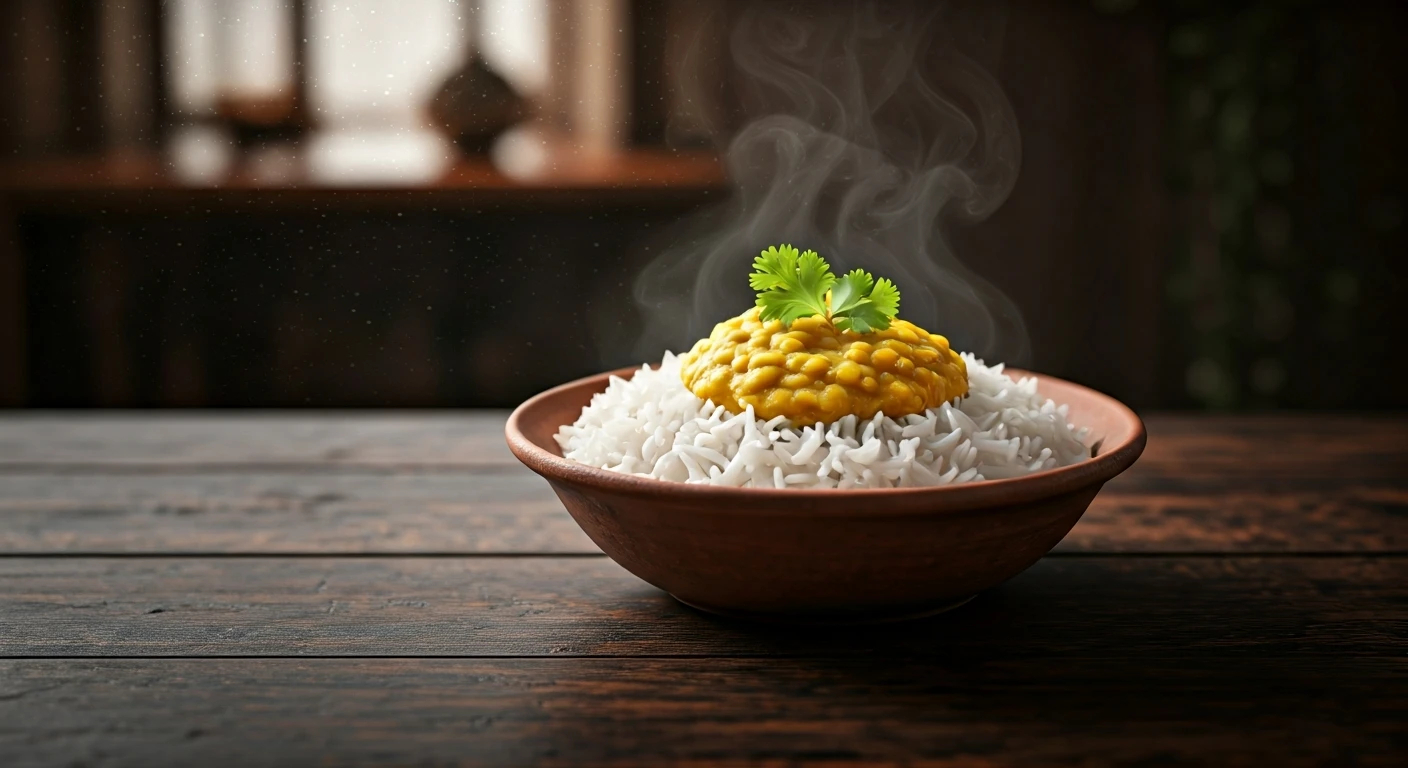
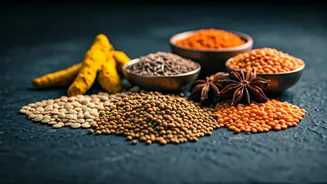
Dal-rice is not a dish you’ll find headlining the menu at a fancy Indian restaurant. It is humble, elemental, and deeply personal. ‘Dal’ is a catch-all term for a stew made from lentils or split pulses, simmered until soft and creamy. It can be as simple as yellow lentils with turmeric and salt, or more complex with a ‘tadka’—a final tempering of spices like cumin seeds, mustard seeds, and garlic sizzled in ghee or oil and poured over the top. Paired with fluffy, steamed rice, it forms a complete protein and a perfectly balanced meal. It’s the South Asian equivalent of a grilled cheese and tomato soup, chicken noodle soup, or mac and cheese: the first thing you want when you’re sick, tired, or just need a culinary security blanket. It’s what parents make for their children and what adults make for themselves when they miss home.
The Traditional Wisdom of Warmth
So why does warm dal-rice specifically “beat” cold leftovers during this season? The preference is rooted in both sensory satisfaction and traditional wisdom, particularly the principles of Ayurveda, India’s ancient system of medicine. According to this tradition, the damp and cool monsoon weather weakens the ‘agni,’ or digestive fire. As a result, the body finds it harder to break down and process food. Cold, raw, or heavy foods—like that container of leftover pasta salad or a cold-cut sandwich—are believed to be much harder to digest and can lead to feeling bloated and lethargic. In contrast, warm, well-cooked, and lightly spiced foods like dal-rice are considered pre-digested and easy for the body to assimilate. The warmth itself is comforting, dispelling the chill of the rain, while the gentle spices help stoke that digestive fire. It’s a meal designed to work with your body, not against it, during a season that already feels challenging.
More Than Just a Meal
The triumph of dal-rice over a cold, sad plate of yesterday’s dinner is also about nostalgia and emotion. Cold leftovers are often a meal of pure convenience, eaten standing over the kitchen sink while scrolling through your phone. It’s sustenance, but it’s rarely an experience. A bowl of warm dal-rice, however, is an act of self-care. It requires a little bit of effort—the simmering, the steaming—and the reward is a meal that feels intentional. The aroma of the tadka hitting the hot dal is a sensory trigger for comfort and home. It’s a dish that connects generations, a taste that has remained consistent through time. It’s a reminder that even in the midst of a downpour, a simple, honest meal can provide a profound sense of well-being and security that no cold leftover ever could.