

Prioritize Multifunctional Craftsmanship
The core of this practical shift lies in furniture that does more than just look good. In cities like Mumbai or Bangalore, where space is a premium, designers are championing pieces that serve multiple purposes. Think of a classic carved wooden chest
(a sandook) that doubles as a coffee table and a storage unit for blankets. Or consider elegant divans with built-in drawers and side tables that seamlessly integrate into a living room setup. The goal is to reduce clutter by choosing fewer, more intelligent pieces. This isn't about stark minimalism; it's about honoring traditional craftsmanship in forms that support a contemporary, less-is-more lifestyle. The intricate woodwork is still there, but it’s on a piece that earns its keep.
Use Color as a Strategic Accent
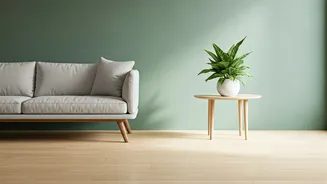
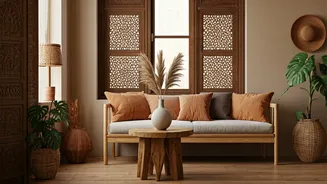
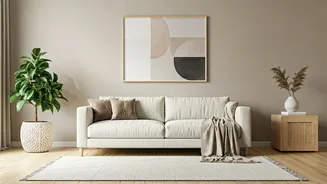
While maximalist Indian design often features walls saturated in vibrant jewel tones, the modern approach is more restrained and strategic. The new palette leans heavily on warm, earthy neutrals—think shades of terracotta, beige, and soft gray—to create a serene and airy backdrop. This allows color to be used with intention, where it has the most impact. A splash of indigo on cushion covers, a single wall painted in a deep ochre, or a brightly colored dhurrie rug can animate an entire room without overwhelming it. This selective use of color makes a space feel curated and personal rather than chaotic, providing visual excitement that's easy to live with day-to-day.
Lean into Natural, Textural Materials
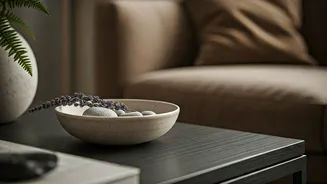
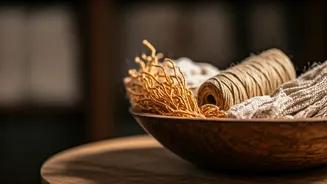
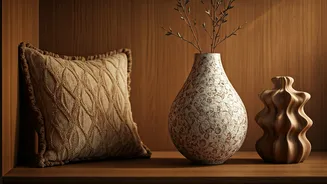
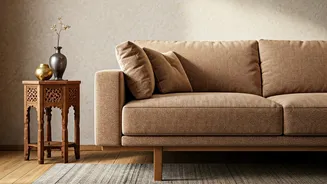
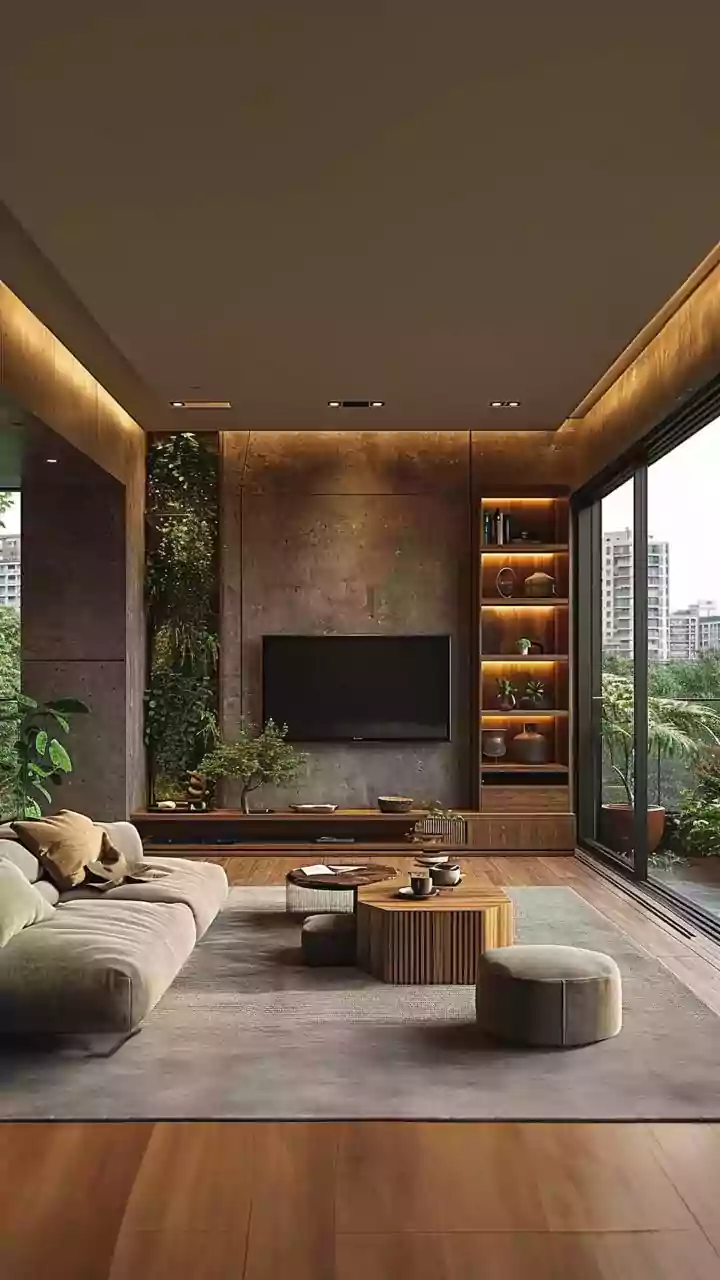
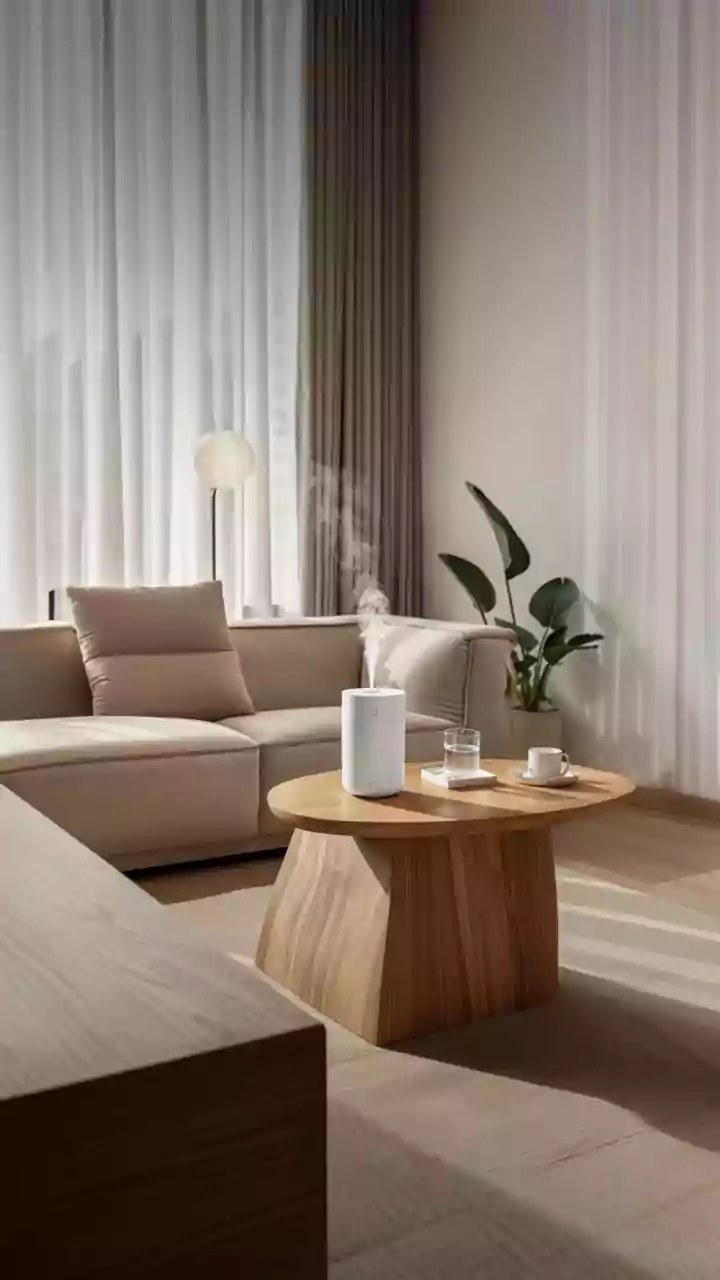
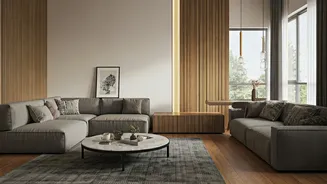
To keep a space from feeling cold or sterile, modern Indian interiors are rich in texture. This is achieved through a deliberate layering of natural materials. Furniture is often made from durable, warm woods like teak, sheesham, or mango wood, celebrated for their grain and longevity. These are paired with textiles like raw silk, hand-loomed cotton, and coarse jute rugs. You might see cane-backed chairs, bamboo blinds, or polished concrete floors softened by a hand-knotted carpet. This focus on tactile surfaces adds depth and warmth, ensuring the room feels inviting and grounded. It’s a sensory approach to design that provides interest without relying on pattern or loud color.
Incorporate Tradition with a Light Touch
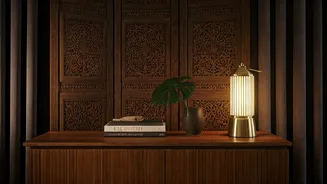
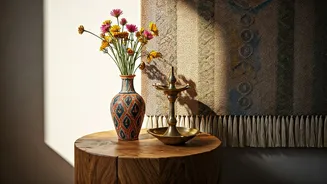
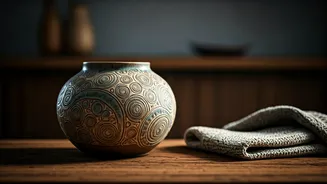
This isn't about turning your home into a museum. Instead of filling every surface with artifacts, the modern Indian aesthetic calls for curating a few meaningful pieces. One or two antique brass vessels might sit on a sleek, modern console. A traditional 'jaali' screen (intricate latticework) might be repurposed as a piece of wall art or a subtle room divider rather than a heavy, architectural feature. Block-printed textiles are used for a single throw pillow instead of the entire bedding set. This approach honors heritage by giving individual items room to breathe and be appreciated, integrating them into a clean, contemporary context where their story can truly shine.
Let There Be Light and Greenery
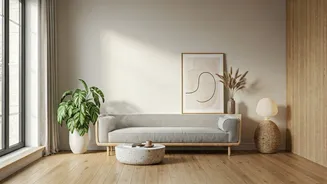
A key element in making any space feel practical and pleasant is good lighting and a connection to nature. Modern Indian homes are designed to maximize natural light, with sheer curtains replacing heavy drapes to create a bright, airy feel. To complement this, indoor plants are a near-ubiquitous feature. From large potted palms in a corner to a traditional tulsi plant in a courtyard or balcony, greenery adds life, purifies the air, and provides a calming, natural element. This biophilic approach connects the home to the outdoors, a nod to traditional Indian architecture that has always sought to blur the lines between inside and out.