



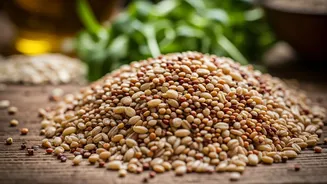
The Science of Satiety
So, what makes beans, lentils, and chickpeas so uniquely good at keeping you full? It comes down to a powerful one-two punch of soluble fiber and protein. When you eat legumes, the soluble fiber absorbs water in your digestive tract, forming a gel-like
substance. This process physically slows down digestion, meaning food stays in your stomach longer, preventing the rapid blood sugar spikes and crashes that can trigger hunger pangs. At the same time, the high protein content also contributes to satiety. Protein takes more energy for your body to digest compared to fats or carbohydrates, a phenomenon known as the thermic effect of food. More importantly, protein consumption triggers the release of hormones like peptide YY and GLP-1, which send direct signals to your brain that you are full and satisfied. This combination of slow-digesting fiber and satiety-signaling protein is what gives legumes their remarkable ability to make a meal feel substantial and keep you energized for hours.
Meet the Legume All-Stars
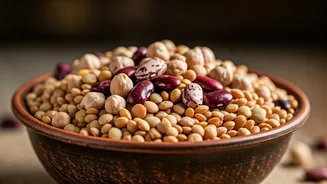
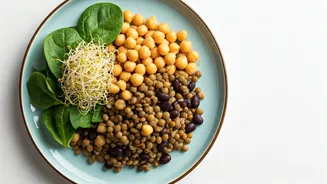
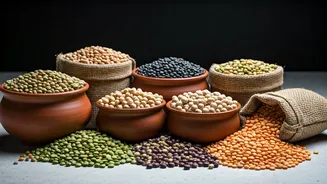
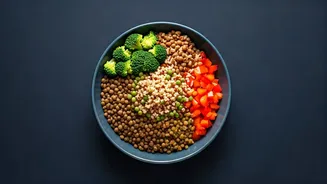
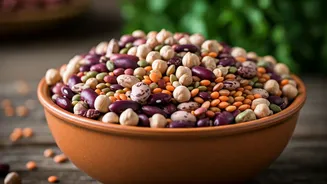
The world of legumes is vast and varied, offering a texture and flavor for almost any dish. While you can’t go wrong with most of them, a few stand out for their versatility and ease of use. **Chickpeas (Garbanzo Beans):** With their firm texture and nutty flavor, chickpeas are incredibly versatile. They are the star of hummus, a fantastic addition to salads and grain bowls, and can be roasted until crispy for a satisfying, crunchy snack. **Lentils:** A weeknight dinner hero, lentils don't require pre-soaking and cook relatively quickly. Brown and green lentils hold their shape well, making them perfect for soups, stews, and hearty salads. Red and yellow lentils break down when cooked, creating a creamy, thick consistency ideal for curries and purees. **Black Beans:** A staple in Latin American cuisine, black beans have a soft, creamy texture and a mild, earthy flavor. They are essential for burritos, tacos, and chili, but also work wonderfully in veggie burgers, salsas, and even brownies. **Kidney Beans:** Famous for their role in chili con carne, these robust beans hold their shape and absorb flavors beautifully. Their firm bite makes them a great plant-based substitute for ground meat in hearty sauces and casseroles.
Simple Swaps to Boost Your Intake
Incorporating more legumes into your diet doesn’t require a complete culinary overhaul. Often, the easiest way is to add them to meals you already enjoy. Start with these simple, unintimidating strategies: * **Bulk Up Soups and Stews:** Add a can of rinsed kidney beans to your chili or a cup of brown lentils to your vegetable soup. They’ll add body, protein, and fiber, making the meal far more filling without dramatically changing the flavor. * **Upgrade Your Salads:** Move beyond lettuce and cucumber by tossing in a half-cup of chickpeas or black beans. This simple addition transforms a light side salad into a substantial lunch that won't leave you raiding the pantry an hour later. * **Rethink Your Dips:** Swap out sour-cream-based dips for something more satisfying. Hummus (made from chickpeas) or a simple black bean dip served with veggie sticks or whole-grain crackers is a much more nutrient-dense and filling snack. * **Go Half-and-Half with Meat:** If you’re not ready to go fully vegetarian, try replacing half the ground meat in recipes like tacos, bolognese sauce, or shepherd’s pie with cooked lentils or mashed black beans. You'll cut down on saturated fat and calories while boosting fiber.
More Than Just Filling
While their ability to promote fullness is a major draw, the benefits of legumes don't stop there. They are one of the most budget-friendly sources of high-quality plant-based protein available, making healthy eating more accessible. A can of beans often costs a fraction of the price of an equivalent amount of meat or poultry. Furthermore, their high fiber content is excellent for gut health, feeding the beneficial bacteria in your digestive system and promoting regularity. Regular consumption is also linked to a lower risk of chronic diseases, including heart disease and type 2 diabetes. They are packed with essential micronutrients like folate, iron, potassium, and magnesium, making them a true nutritional powerhouse disguised as a simple pantry staple.